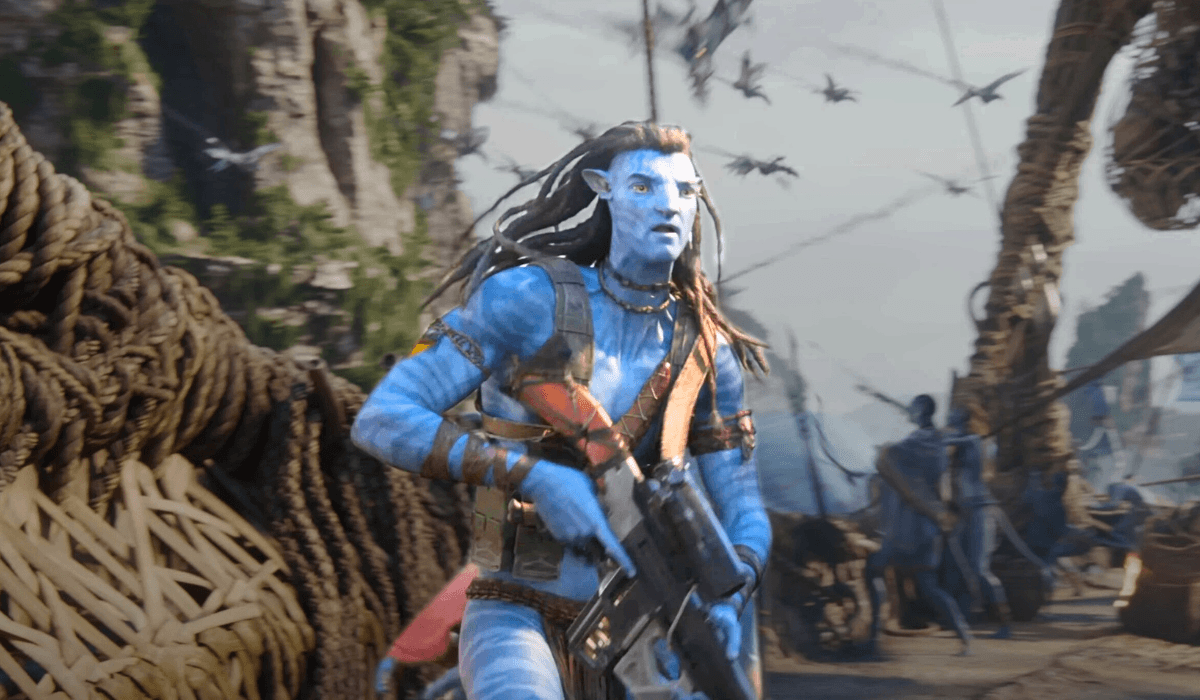
Avatar: Fire And Ash Box Office Triumphs With $345 Million Debut Amid Mixed Reviews

Avatar: Fire and Ash launched to a strong $345 million worldwide in its opening days, topping charts in key markets like China while facing competition from earlier hits like Zootopia 2. James Cameron's latest Pandora epic draws audiences with stunning visuals, yet critics highlight familiar storytelling flaws. This performance signals the franchise's enduring appeal in a crowded holiday season.

Explosive Global Opening Breakdown
The film raked in $88 million domestically and $257 million internationally by December 19, 2025, surpassing early projections of $340-380 million for the full weekend. China led overseas earnings with a $57.6 million debut, edging out Avatar: The Way of Water's $56 million start there and marking Disney's second major win after Zootopia 2. India contributed ₹19 crore net on day one, with 69.68% English occupancy reflecting solid local buzz.
Projections now point to over $350 million for the opening weekend, though it trails the predecessor's $441 million launch. Previews added $12 million in the US, building on $43 million from early overseas rollouts. Strong walk-ups in China, with 40.1% Saturday growth to $24.1 million, suggest word-of-mouth potential.
China Emerges as Pandora's Powerhouse
China's box office crowned Fire and Ash number one, with $57.6 million over three days from 155,000 screenings. Sunday pre-sales hit $6.4 million across 148,000 shows, fueled by 64% same-day buys. This outperforms many post-COVID Hollywood openers, underscoring Disney's grip on the market.
The surge ties into broader trends where visual spectacles thrive amid local competition. For global studios, such dominance highlights China's role in blockbuster survival, especially as domestic films vie for screens. Expect sustained runs if family audiences and holiday timing hold firm.
Critical Verdict: Visual Mastery Meets Narrative Echoes
Rotten Tomatoes shows 68% approval from 260 reviews, praising effects while noting repetitive plots. Metacritic scores it 61/100, with consensus on thrilling spectacle but frustrating familiarity. Critics laud action and new Na'vi cultures like the volcanic Mangkwan, yet decry the 3-hour-17-minute runtime's emotional flatness.
User reactions mix awe at world-building with gripes over underdeveloped arcs. IGN calls it a gratifying finale build-up; The Guardian deems it dazzling but dull. Awards buzz already brews, with wins for visuals from Austin and Florida critics.

Key Strengths and Weaknesses
- Visuals and Action: Unmatched Pandora expansion, from ash clans to toruk battles, pushes VFX frontiers.
- Performances: Oona Chaplin's fierce Varang and Stephen Lang's Quaritch shine in motion capture.
- Story Flaws: Echoes prior films' beats; grief cycles feel preachy without fresh depth.
- Runtime Drag: Epic length tests patience, prioritizing spectacle over tight pacing.
Story Deep Dive: New Threats on Pandora
Set soon after The Way of Water, Jake Sully's family mourns Neteyam amid Metkayina life. Neytiri's human hatred boils as the fire-rejecting Mangkwan clan, led by tsahik Varang, ambushes traders. Quaritch allies with them, arming ash Na'vi against Sullys while Spider gains mask-free breathing via Eywa's mycelia.
Kiri taps Eywa for rescues; Tulkun face RDA hunts. Climax unites clans in flux battles, killing Ardmore and seeing Quaritch's defiant end. Themes probe grief's violence cycle, humans' ruinous greed, and Eywa's balance.
Franchise Future and Industry Ripple Effects
With $400 million-plus budget, Fire and Ash needs $1.5-2 billion to match siblings, betting on legs over Zootopia 2's $560 million open. Avatar 4 (2029) and 5 (2031) hinge on this; Cameron eyes books if flops occur. Success cements Pandora as a billion-dollar saga, rivaling Marvel in visual immersion.
For Hollywood, it proves event cinema's pull post-strikes and pandemics, prioritizing IMAX spectacles. Readers gain from family resilience lessons amid eco-warnings; long-term, expect deeper Na'vi cultures and human reforms. This installment expands Pandora's lore, hooking fans for the epic cycle's close.