Bowen Yang’s Emotional ‘SNL’ Goodbye: Why His Exit Matters For The Show’s Future

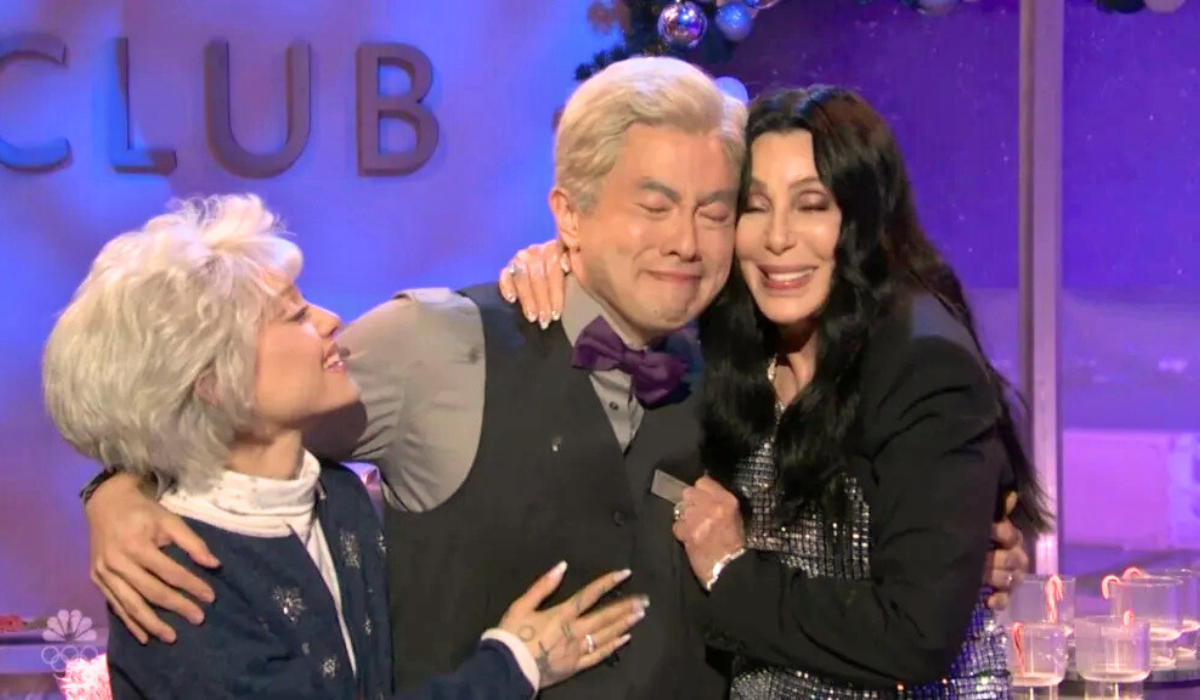
Bowen Yang closed out his time on “Saturday Night Live” with a tearful, music filled final sketch that turned a holiday episode into a goodbye letter in real time.
Surrounded by host Ariana Grande and musical guest Cher, he treated viewers to a farewell that felt both carefully staged and deeply genuine. His departure midway through Season 51 ends an eight season run that helped reshape “SNL” and raises serious questions about what the show looks like without one of its most versatile modern performers.
How Bowen Yang Said Goodbye On Air
The Delta lounge sketch that became a send off
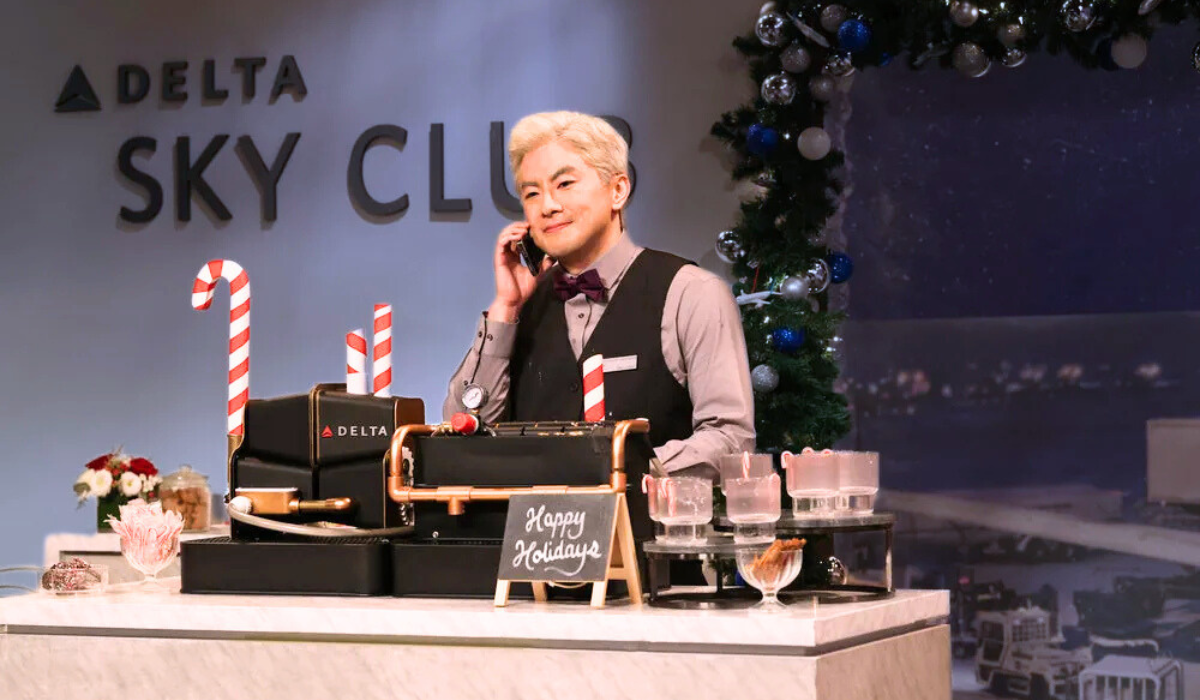
Yang’s final sketch cast him as a weary Delta Sky Club employee working his last shift on Christmas Eve, trying to serve eggnog from a machine that did not quite cooperate. What started as a simple character piece quickly revealed itself as a meta farewell, with each “traveler” standing in for colleagues and viewers watching him say goodbye. The malfunctioning eggnog machine and crowded lounge mirrored the chaos and heart of live television, which Yang has navigated for nearly a decade.
At one point, Yang’s character dropped the act and spoke lines that clearly doubled as a personal message: he said he was going to miss the place, especially the people, and that he felt lucky to have worked there. The emotion in his delivery made it hard to separate the character from the actor, which is exactly what made the sketch feel like a genuine farewell rather than a routine bit.
Ariana Grande and Cher’s musical goodbye
The sketch built to a rendition of “Please Come Home for Christmas,” with Yang’s voice joined by Grande and Cher in a three way farewell performance. Grande, a longtime friend and his “Wicked” costar, played his wife in the scene, while Cher appeared as his boss, folding their star power into a moment that still centered on Yang.
Their harmonies and hugs gave the exit the feel of a curtain call, signaling to viewers that this was not just another holiday sketch, it was the end of an era for the cast.
Earlier in the night, Yang also crashed Grande’s opening monologue, framing the episode from the start as a kind of shared victory lap for both the host and the departing cast member. That structure kept his exit in the background of the entire show, so the final sketch landed as an emotional payoff the audience had been unconsciously waiting for.
Why Bowen Yang’s ‘SNL’ Run Was So Important
From “utility player” to breakout star
Yang joined “SNL” as a writer in 2018 before becoming a featured player, then a repertory cast member, and ultimately one of its most recognizable faces. Critics and fans alike praised his ability to revive weak sketches with committed performances, turning him into what NPR’s Eric Deggans called a rare “utility player” who could mine laughs from almost any premise. That adaptability is part of why his departure feels especially risky for the show’s creative balance.
Some of his most memorable appearances came from characters that would sound impossible on paper, such as playing the iceberg that sank the Titanic or personifying the concept of a problematic pop culture villain. By leaning into absurdity with precision and confidence, he helped “SNL” stay culturally relevant in seasons marked by rapid cast turnover and shifting viewer habits.
A breakthrough for Asian representation
Yang is widely recognized as the first Chinese American cast member on “SNL,” and his presence significantly shifted the show’s long criticized lack of Asian representation.
Commentators note that his run did not just fill a diversity quota; he built characters that were funny first while still opening space for nuanced jokes about race, identity, and immigrant families. That combination of broad comedy and pointed commentary helped expand what Asian roles could look like in mainstream sketch television.
NPR’s analysis argued that Yang “patched up” some of the show’s historic gaps by giving audiences complex, unapologetically Asian characters who were neither stereotypes nor token figures. His exit therefore represents not only a creative loss but also a setback for the slow progress the show has made in reflecting the diversity of its audience.
How His Exit Fits Into ‘SNL’s’ Larger Transition
A mid season departure in a fragile era
Yang’s final appearance came during the Christmas episode of Season 51, which means he left mid season rather than after a traditional May finale. The timing highlights how fluid and uncertain “SNL” has become, as seasoned cast members leave for other projects while the show works to maintain continuity.
Reports stress that he had previously said he felt he still had “more to do” on the program, which makes the relatively sudden exit feel more like a strategic career decision than a gentle wind down.
In recent years, “SNL” has weathered a series of cast exits that forced the show to rebuild its ensemble almost from scratch. Losing a performer who could anchor sketches, carry impressions, and serve as a connective presence across cold opens, desk segments, and pre tapes leaves a hole that cannot be filled quickly.
What critics say his absence means for the show
Television critics have described Yang’s departure as both inevitable and painful, arguing that he had likely reached the peak of what “SNL” could offer him while still feeling central to its current identity.
The view from industry observers is that the show thrives when it has multiple strong “glue” performers who can make flawed material work; by that measure, his exit strips away one of the series’ most dependable assets. Some analyses suggest this could accelerate pressure on producers to develop and spotlight newer cast members quickly or risk a creative lull.
At the same time, critics point out that Yang’s rising profile, including projects like “Wicked” and other film and television opportunities, likely created a narrow window in which leaving “SNL” made the most sense. If he had stayed too long, there was a risk of stagnation; leaving now allows him to explore leading roles while audiences still associate him with fresh, impactful work.
What Comes Next For Bowen Yang And ‘SNL’
Bowen Yang’s likely next chapters
While Yang has not publicly detailed a specific next step, his growing reputation points toward more film, streaming, and prestige television roles. The combination of sketch experience, character work, and rising mainstream visibility, especially through high profile projects like “Wicked,” makes him a strong candidate for both comedic and dramatic parts. Industry history shows that performers who leave “SNL” at a moment of creative strength often transition into long careers as leading or scene stealing supporting actors.
Beyond acting, his background as a writer and producer suggests he could develop original projects that expand the kind of stories and representation he helped bring to late night. Many observers expect him to become a creative force behind the camera as well, shaping future comedy in ways that mirror how his sketches shifted expectations at “SNL.”
The stakes for ‘Saturday Night Live’
For “SNL,” the challenge now is to prove that it can still mint new stars and maintain cultural relevance without relying too heavily on any one performer. The show’s history is full of painful departures that later marked the beginning of new eras, from losing early ensemble members to the exits of stars in the 1990s and 2000s. Yang’s goodbye may eventually be remembered the same way, provided the series invests in nurturing fresh voices and broadening its bench of standout players.
In the short term, viewers are likely to feel his absence most in sketches that rely on sharp character work and unexpected emotional moments, the spaces where he consistently excelled. How effectively the current and future cast step into that gap will help determine whether his departure is a temporary stumble for “SNL” or the start of another reinvention that keeps the show relevant into its next decade.