Daniel Stern Chose Tangerines Over Tinseltown, And He Might Be Hollywood's Wisest Man

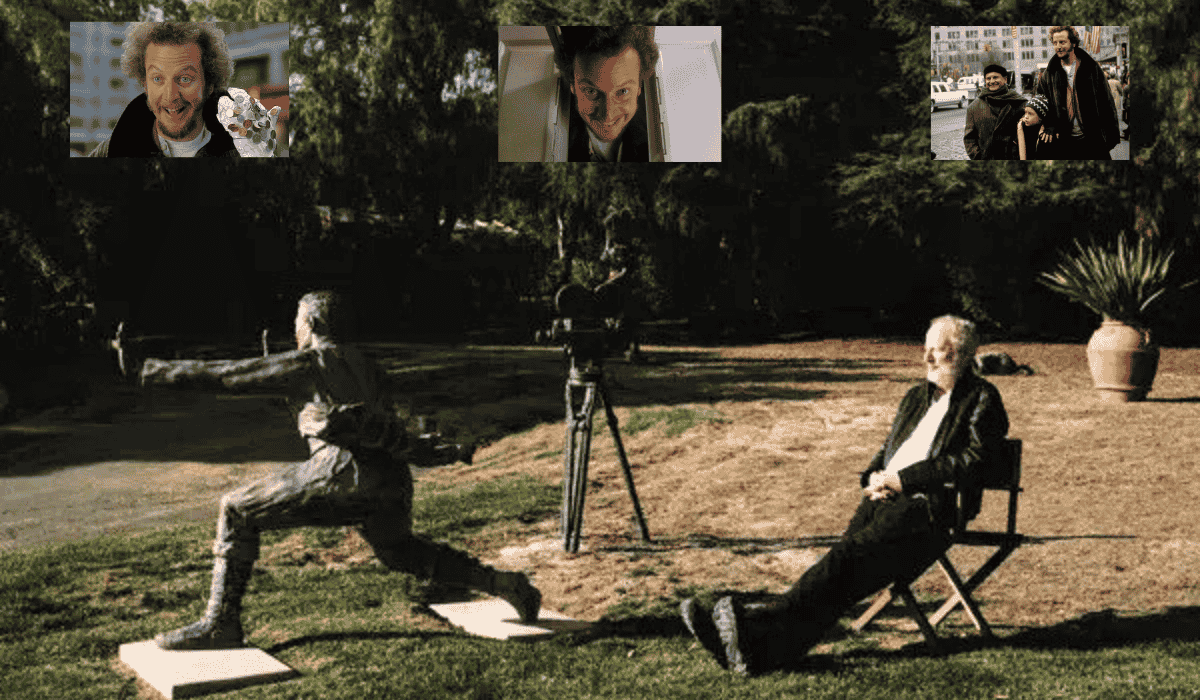
Daniel Stern, the lanky half of Home Alone's bumbling Wet Bandits, now spends his days juicing tangerines on a California ranch instead of auditioning for his next role. At 68, he's traded red carpets for cattle pastures, movie premieres for sculpture studios, and Hollywood networking for absolute solitude.
The entertainment industry considers this career trajectory baffling, maybe even wasteful. But Stern's choice reveals something most of us are too afraid to admit: success doesn't have to look like climbing higher. Sometimes wisdom means knowing when to step off the ladder entirely.
The Permission We're All Waiting For
Stern's recent TikTok videos showing off his juicing station and bronze sculptures went viral not because they're spectacular, but because they're shocking. Here's a man who could still be cashing Hollywood checks, attending premieres, and dining out on decades-old nostalgia. Instead, he's cheerfully announcing, "Hello, as you have come to discover, I live on a farm and we grow tangerines here," like this is the most normal thing in the world.
The collective internet response oscillated between admiration and confusion. Why would someone walk away from fame and opportunity? Doesn't he miss the excitement? Isn't it boring to just juice fruit and make sculptures all day?
These reactions reveal more about us than about Stern. We've constructed such a rigid definition of success that anyone who colors outside those lines seems either brave or crazy. The possibility that Stern is simply happy, living exactly as he wants without apology or second thoughts, doesn't compute. We need permission to believe that walking away from prestigious careers, comfortable identities, and external validation can be the smartest decision someone makes.
Stern is granting that permission whether we accept it or not. He's demonstrating that you can achieve Hollywood success, earn financial security, and then just stop. You can say "I've done that, it was great, and now I'm doing something else" without shame, regret, or the nagging fear that you're wasting your potential. The farm isn't a consolation prize. It's the prize he chose after winning the other game.
What Hollywood Doesn't Understand About Enough
Stern mentioned in interviews that he made enough money from his career that he didn't have to keep working. He described himself as frugal and secured financially through smart decisions during his peak earning years. This allowed him the luxury of choice, but money alone doesn't explain his exit. Plenty of wealthy actors continue working because they need the validation, the structure, or the identity that fame provides.
What Stern possesses that many lack is a clear understanding of "enough." He knew when he'd satisfied his curiosity about acting, when he'd accumulated sufficient resources, when the trade-offs stopped making sense. Hollywood operates on an insatiable model where enough never exists. There's always another role, another award, another level of fame to chase. The industry rewards ambition and interprets contentment as lack of drive.
But Stern rejected that framework entirely. He almost walked away from Home Alone over contract disputes before producers realized no one else could play Marv. He replaced Rick Moranis in City Slickers after negotiations. He temporarily lost the Wonder Years narration gig before being rehired. Throughout his career, he demonstrated willingness to walk away rather than compromise on his terms. That pattern reveals someone who never confused his work with his worth.
This mindset is revolutionary in an industry built on ego, insecurity, and the perpetual fear of irrelevance. Most actors cling to fame desperately because they've internalized the message that visibility equals value. When the calls stop coming, when younger actors take the roles they once owned, they experience it as existential crisis. Stern experienced it as liberation.
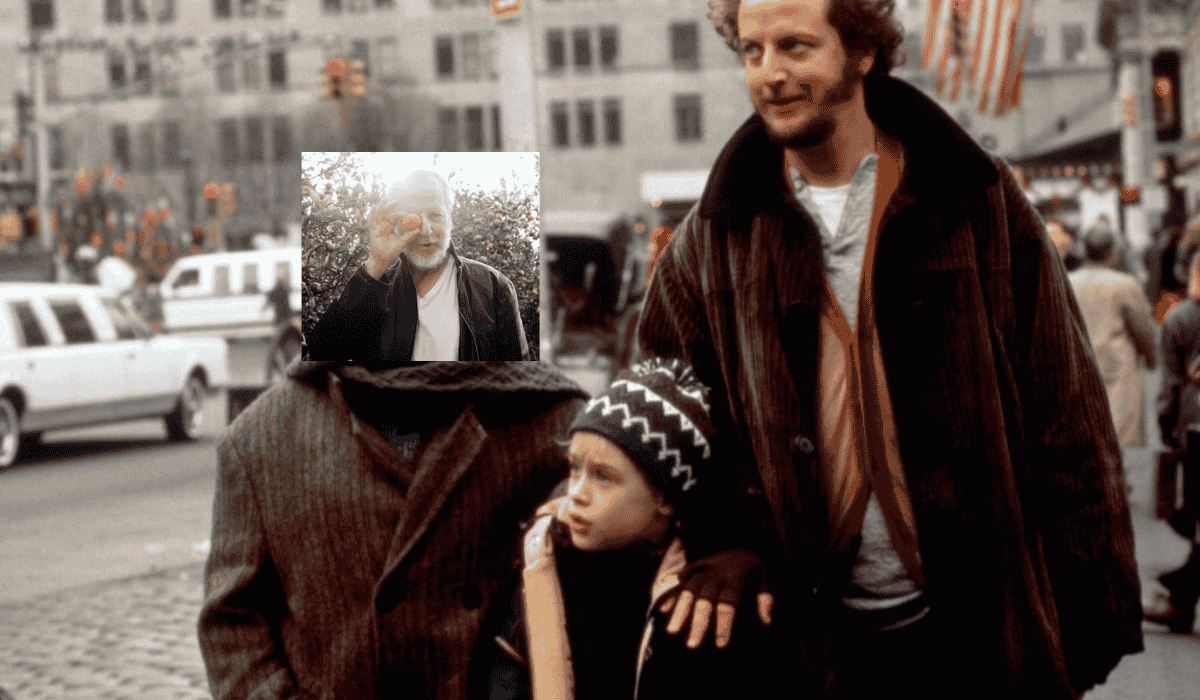
The Quiet Radicalism of Choosing Solitude
Stern explicitly stated that he loves his solitude and prefers focusing on what he's making rather than networking or maintaining industry relationships. He doesn't leave his farm. He's not on social media promoting himself. He's not angling for his next project or worried about staying relevant. This stance is so countercultural it borders on radical.
We live in an era that pathologizes solitude. Productivity culture demands constant networking, personal branding, and strategic relationship management. Social media created expectations that successful people maintain public personas, engage with fans, and leverage their platforms. The hustle never stops because stopping signals failure.
Stern's wholesale rejection of these expectations is quietly revolutionary. He's not depressed or anti-social or burned out. He simply prefers tangible creative work, animal care, and agricultural rhythms over the performative exhaustion of celebrity maintenance. He finds fulfillment in anonymous craft rather than recognized performance.
This distinction matters enormously. Stern still creates art through his bronze sculptures. He still engages creativity by farming and juicing tangerines. The difference is audience and recognition. His sculptures exist for their own sake, commissioned by cities and councils to tell specific stories. His tangerine juice goes to friends, not consumers. The creative impulse remains, but divorced from fame's validation.
There's profound freedom in this approach. Without audience expectations or critics' opinions, Stern's artistic choices become purely personal. He makes what interests him, when it interests him, for reasons entirely his own. Most artists never achieve this level of autonomy because they need external approval to feel their work matters. Stern demonstrated that the work can matter even if nobody's watching.
The Hidden Toll of Being "On"
Actors spend their working lives performing versions of themselves. On set, they embody characters. At premieres and interviews, they project carefully managed public personas. With agents and executives, they negotiate their careers while appearing confident and in-demand. Even during downtime, many remain accessible via social media, sharing curated glimpses that maintain fan engagement and industry visibility.
This constant performance exhausts people in ways they often don't recognize until they stop. Stern's comment about loving his solitude and focusing on what he's making suggests relief at no longer managing others' perceptions. On his ranch, he can simply be Daniel Stern, the guy who grows citrus and makes sculptures, without the weight of being Daniel Stern, the famous actor whom everyone recognizes from their childhood.
The mental load of celebrity is real and rarely discussed honestly. Public figures learn to self-monitor constantly, aware that any interaction might be recorded, any comment might be misconstrued, any behavior might become tabloid fodder. This hypervigilance creates profound stress that becomes so normalized people forget what relaxation feels like.
Stern's farm life represents the ultimate rejection of this surveillance. Nobody's filming his daily routine. He's not crafting Instagram captions or managing his Wikipedia page. If he has a bad day, it stays private. If he makes tangerine juice that tastes terrible, only his friends find out. The absence of public scrutiny allows genuine authenticity rather than performed relatability.
Why This Threatens Hollywood's Narrative
The entertainment industry operates on a specific mythology: that being famous is the ultimate achievement, that recognition validates your existence, that influence and impact require visibility. Actors who walk away from successful careers disrupt this narrative. They suggest that maybe the emperor has no clothes, that perhaps Hollywood's version of success isn't actually very fulfilling.
Stern is particularly threatening because he's not bitter or burned out. He doesn't trash the industry or warn young actors away. He simply found something he prefers and chose that instead. This casual dismissal of Hollywood's hierarchy strikes at the insecurity underlying the entire system. If being a character actor in beloved films isn't enough to keep you engaged, what does that say about the value proposition?
The usual explanations don't apply here. Stern isn't a failed actor who couldn't get work. He still books occasional roles when he wants them. He's not destitute and forced into retirement. He's financially secure and chooses minimalism. He hasn't experienced some scandal that made him unemployable. He just realized he'd rather juice tangerines than audition for bit parts.
This narrative unsettles people because it reveals that the choice exists. Most actors stay in the game because they assume they must, not because they've consciously decided it's their best option. Stern demonstrated that you can evaluate whether this life serves you and make different choices. That's empowering for some and destabilizing for others who've built entire identities on career success.
The Creative Freedom Money Can Buy
Stern's story offers an important but often ignored lesson: financial security creates artistic freedom. By making smart money decisions during his peak earning years and living frugally, he bought himself the ability to work only when motivated rather than when desperate. This is the real value of success, and most people miss it entirely.
Too many artists chase fame and fortune as ends in themselves. They want recognition, status, and wealth because society defines these as success markers. But Stern treated Hollywood success as a means to an end, the tool that would eventually purchase autonomy. He played the game long enough to win, then cashed out before it consumed him.
This approach requires unusual discipline and foresight. Most people increase their spending as their income rises, trapping themselves in lifestyles that require maintaining high earnings. Stern apparently avoided this trap, staying grounded enough that farm life remained appealing and feasible. That groundedness likely stems from values formed before fame, suggesting he always saw acting as work rather than identity.
His memoir, titled Home and Alone, released in May 2024, likely offers deeper insights into this journey. The title itself is telling, playing on his most famous role while suggesting solitude as destination rather than punishment. He's home now, both literally on his ranch and figuratively in a life that reflects his authentic preferences.
What This Means for the Rest of Us
Most people reading about Stern's choice won't walk away from their careers to start farms. But his example raises questions worth considering regardless of profession. Are you working toward something or running from something? Does your definition of success reflect your genuine values or someone else's expectations? If you could live any way without worrying about others' opinions, what would change?
Stern's farm life looks appealing not because tangerine juice is inherently better than movie roles, but because he chose it consciously based on what brings him joy. The specifics matter less than the intentionality. He assessed his options, identified his preferences, and acted accordingly without seeking permission or validation. That autonomy is what people actually envy when they idealize his lifestyle.
The deeper lesson is about recognizing when you've achieved what you set out to accomplish and having the wisdom to stop pushing. American culture treats ambition as unquestionable virtue and contentment as settling. We've lost the ability to say "I've done enough of this and now I'll do something else" without being accused of giving up or wasting potential.
Stern demonstrates that knowing when to stop is a skill as valuable as knowing how to start. He recognized that continuing to climb Hollywood's ladder would require sacrifices he no longer wanted to make. The roles would get smaller. The recognition would fade gradually. He'd spend increasing energy maintaining relevance in an industry designed to replace him. Or he could leave on his terms, financially secure and creatively satisfied, to build a completely different kind of life.
The Plot Twist We Need
There's something beautifully ironic about Marv from Home Alone, the bumbling criminal who couldn't successfully rob a house defended by an eight-year-old, becoming the wisest person in Hollywood. The character was ridiculous, defined by slapstick incompetence and spectacular failure. Yet Stern played him so brilliantly that the performance secured his financial future and eventual freedom.
He used Hollywood's machinery exactly as intended, then had the clarity to recognize when the transaction was complete. The industry gave him fame, money, and creative satisfaction. He gave it memorable performances that continue generating value decades later. Fair trade, mission accomplished, everyone won. Now he's growing tangerines because that's what he wants to do.
This should be the aspirational story we tell about success. Not the relentless climb until death or irrelevance, but the strategic engagement followed by intentional exit. Work hard, achieve your goals, secure your future, then do whatever brings you joy without worrying about what it looks like on a resume. Make enough money to buy freedom rather than status symbols. Build a life you don't need to escape from rather than a career that requires eventual recovery.
Stern is living proof that the Hollywood dream's real value isn't fame or recognition. It's earning the resources and autonomy to eventually choose something entirely different. He's the villain who got away with the greatest heist of all: he stole his life back from an industry designed to consume it completely. And he did it by recognizing that sometimes the best next move is refusing to play anymore.
Now if you'll excuse him, he has tangerines to juice and sculptures to create. The cameras can stay in Hollywood. He's finally home.