Festivus: Why This Anti-Holiday Movement Keeps Growing Every December 23rd

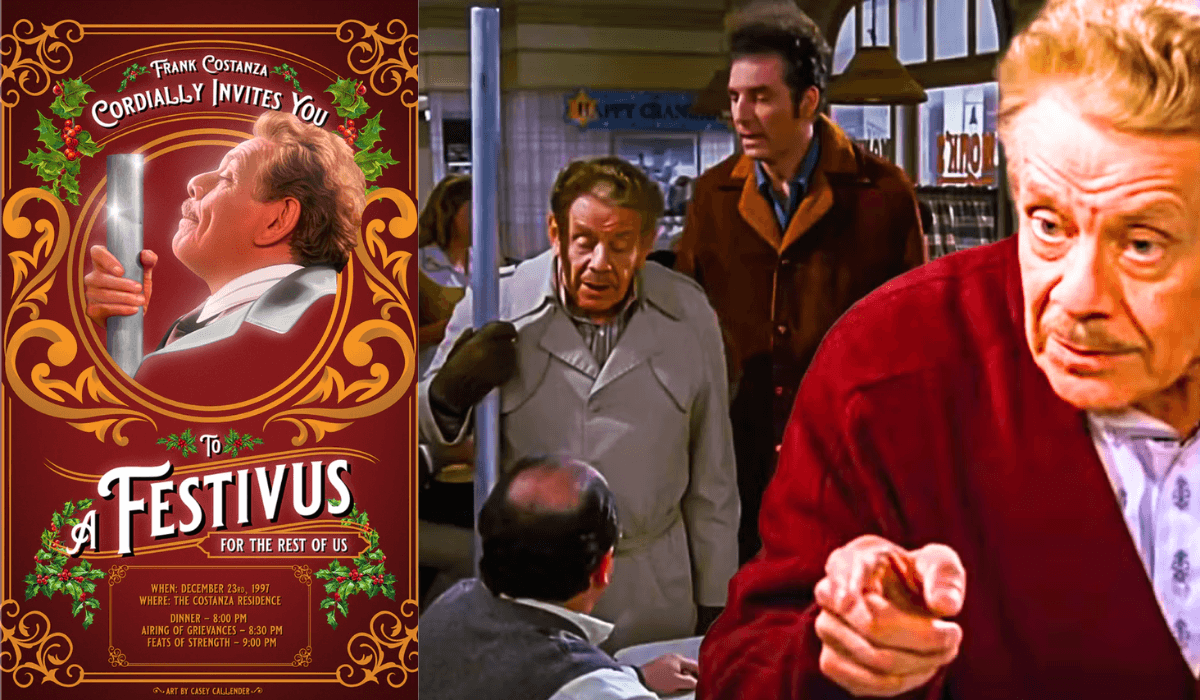
Every year on December 23, something unusual happens. While most people rush through last-minute shopping and holiday preparations, a growing number of Americans gather around unadorned aluminum poles to complain loudly about the past year. Welcome to Festivus, the secular holiday that started as a sitcom joke and evolved into a genuine cultural movement.
This year marks another milestone for the anti-commercial celebration that gives frustrated people everywhere permission to vent, skip the gift-giving chaos, and embrace imperfection. As 2025 draws to a close, communities from Pittsburgh to Australia are hosting public Festivus gatherings, newspapers are collecting grievances from readers worldwide, and mental health experts are weighing in on whether all this organized complaining might actually be good for us.
How a Sitcom Created a Real Holiday
The Festivus story begins long before most people realize. Author Daniel O'Keefe first celebrated the holiday with his family in 1966, choosing December 23 to mark the anniversary of his first date with his wife. O'Keefe was researching his book "Stolen Lightning," which explored ritual and social significance, when he stumbled upon the concept.
The original family tradition looked nothing like what we know today. Instead of an aluminum pole, O'Keefe nailed a clock in a bag to the wall each year, always on the same wall but never the same clock or bag. When his son Dan later asked what it meant, his father cryptically replied, "That's not for you to know."
Fast forward to 1997, when Dan O'Keefe became a writer for the hit sitcom Seinfeld. He brought his family's quirky tradition to the show in an episode titled "The Strike," which aired on December 18. In the episode, Frank Costanza (played by the late Jerry Stiller) explains he invented Festivus in response to the commercialism of Christmas, proclaiming it "a Festivus for the rest of us."
The episode introduced three key traditions that define modern celebrations. First, the unadorned aluminum pole replaces decorated trees because tinsel is "distracting." Second, the Festivus dinner features straightforward food like meatloaf on lettuce. Third, and most importantly, the evening includes two interactive rituals: the Airing of Grievances and the Feats of Strength.
What Makes Festivus Resonate With Modern Life
The holiday has grown far beyond its sitcom origins because it taps into something genuine about contemporary stress. The pressure to spend money, create picture-perfect gatherings, and maintain forced cheerfulness during December can feel overwhelming. Festivus offers a release valve.
By openly mocking these expectations, the celebration validates feelings many people silently experience. You don't need to buy expensive presents, decorate your home elaborately, or pretend everything is wonderful. Instead, you can serve simple food, put up a plain metal pole, and spend the evening honestly discussing disappointments with humor.
The holiday serves as a necessary release valve for the stress that often accompanies end-of-year festivities. By satirizing rigid expectations around gift-giving and perfect family gatherings, it creates space for people to acknowledge life's imperfections without guilt.
Mental health professionals have weighed in on the tradition's psychological value. New York clinical psychologist Guy Winch, who hosts the "Dear Therapists" podcast, suggests the key is distinguishing between two types of grievances. For things beyond your control, like disappointments from the pandemic or other external circumstances, venting around the pole can be cathartic. But for issues you can actually resolve, having a private conversation might be more productive than public airing.
The Airing of Grievances Tradition Explained
The centerpiece of any Festivus celebration happens immediately after dinner. Frank Costanza's iconic line captures the spirit perfectly: "I got a lotta problems with you people, and now you're going to hear about it!"
Each person at the gathering takes a turn telling others how they've been disappointed over the past year. The tone typically stays lighthearted and humorous to avoid genuine conflict, but the underlying honesty makes the tradition meaningful. In a culture that often demands constant positivity, especially during holidays, this structured complaining feels refreshingly authentic.
The tradition has expanded well beyond private dinner tables. In 2016, the Tampa Bay Times became the first major newspaper to solicit Festivus grievances from readers, promising to publish them on December 23. The paper continues this practice annually, receiving submissions from around the world.
Politicians have also embraced the tradition. Senator Rand Paul releases a special Festivus edition of his Waste Report each year, using the holiday as a platform to air grievances about government spending. His annual Twitter tradition has gained substantial following.
Cities host public celebrations where residents can submit grievances anonymously. From Village Preservation organizations in New York complaining about mayor policies to Cincinnati journalists griping about whether Northern Kentucky counts as part of the Queen City, the airing of grievances has become a genuine civic outlet.
Feats of Strength and Other Festivus Customs
After everyone has voiced their complaints, Festivus tradition demands physical confrontation. The head of household selects someone at the gathering and challenges them to a wrestling match or test of endurance. According to tradition, Festivus isn't officially over until the head of household has been pinned.
In the original Seinfeld episode, Kramer cleverly avoids this requirement by creating an excuse to leave early, demonstrating the holiday's flexible nature. Modern celebrations often adapt the Feats of Strength to suit participants, sometimes turning them into arm wrestling contests or even friendly competitions like board games.
The celebration also recognizes "Festivus miracles," which are simply easily explainable events treated with mock reverence. Finding a parking spot quickly or getting a good deal at the store can be declared a Festivus miracle with appropriate fanfare.
How Festivus Celebrations Have Evolved Nationwide
Pittsburgh has hosted an annual public Festivus celebration since 2005, featuring live bands, Seinfeld trivia contests, and holiday traditions. By 2017, local media described it as the longest-running celebration of Seinfeld culture in the city.
The holiday has crossed international borders as well. In 2018, Wollongong City Council in New South Wales, Australia, officially named a street "Festivus Lane" in the suburb of Corrimal, giving the holiday legitimate geographic recognition.
Grassroots celebrations happen everywhere from bookstores to community centers. Towns host events where attendees can write grievances on paper Festivus poles that get read aloud over microphones. The shared experience of laughing at collective frustrations creates genuine community bonds.
Even Google acknowledged the holiday's cultural significance. In 2012, the search giant created a custom search result for the term Festivus, displaying an unadorned aluminum pole. You can now purchase official Festivus poles through major retailers, though any aluminum pole works fine.
Some celebrations have taken on political dimensions. In 2012 and again in 2013-2014, Festivus poles appeared at the Florida State Capitol building alongside traditional Christmas displays and nativity scenes, used as symbols supporting separation of church and state.
Why Mental Health Experts Think Grievance-Airing Might Help
The therapeutic potential of Festivus goes beyond simple venting. Clinical psychologists note that having a designated time and space to express frustration can be genuinely beneficial, especially when done with appropriate boundaries.
The key element that makes Festivus potentially healthy is the combination of honesty with humor. Rather than bottling up disappointments or letting them fester, participants voice concerns openly but frame them in a lighthearted context. This approach acknowledges negative feelings without dwelling on them destructively.
Some experts emphasize that airing grievances is only half the process. Someone needs to validate the emotions behind each complaint, whether that's another person at the gathering or yourself. Every grievance benefits from a compassionate witness to create actual healing rather than just complaining.
The simplicity of Festivus traditions also matters psychologically. By removing expectations for elaborate decorations, expensive gifts, and complex meal preparations, the holiday reduces performance anxiety. People can gather without the pressure of creating something Instagram-worthy or impressing relatives.
Modern Grievances Reflect Contemporary Anxieties
Looking at what people actually complain about during Festivus reveals much about modern concerns. In 2025, popular grievances range from local issues to national politics, from personal frustrations to cultural shifts.
Urban residents voice complaints about city leadership, particularly regarding development projects that threaten historic preservation or affordable housing. Environmental concerns surface frequently, with people expressing frustration about climate policy delays and corporate sustainability promises that go unfulfilled.
Workplace grievances remain perennial favorites. Remote work policies, return-to-office mandates, meeting overload, and unclear communication from leadership all feature prominently in contemporary airing of grievances.
Technology complaints have evolved significantly. Where earlier celebrations focused on social media addiction, modern grievances target algorithm manipulation, AI-generated content flooding the internet, subscription fatigue, and the challenge of distinguishing authentic human interaction from automated responses.
The economic anxiety of 2025 appears in grievances about inflation, housing affordability, healthcare costs, and the gap between wage growth and living expenses. Young people particularly voice frustration about financial milestones like home ownership feeling increasingly out of reach.
How to Host Your Own Festivus Celebration
The beauty of Festivus lies in its simplicity. You don't need special equipment or extensive planning. Here's how to organize an authentic celebration.
Start by obtaining an aluminum pole. Any plain metal pole works, though you can purchase official Festivus poles if you prefer. The critical requirement is leaving it completely unadorned. No lights, no tinsel, no decorations of any kind. Display it prominently in your main gathering space.
Plan a straightforward meal. Traditional options include meatloaf or spaghetti, served simply without elaborate presentation. The focus should be on the gathering itself rather than complicated food preparation. Keep everything casual and unpretentious.
After dinner, begin the Airing of Grievances. Give each person a chance to express how others have disappointed them over the past year. Emphasize maintaining a humorous tone to avoid actual conflict. Set ground rules if needed, like keeping complaints playful rather than genuinely hurtful.
Conclude with Feats of Strength, where the head of household challenges someone to a physical contest. This can be adapted to your group's abilities and preferences. Arm wrestling, plank contests, or even competitive board games all work. Remember that Festivus technically isn't over until the head of household has been pinned, though you can declare victory through other means as Kramer demonstrated.
Throughout the evening, encourage people to identify Festivus miracles, those mundane positive occurrences that deserve mock celebration. Finding correct change in your pocket or having everyone arrive on time can qualify.
The Cultural Impact of a Fake Holiday
What started as a writer's personal family tradition transformed into a genuine cultural touchpoint. The phrase "a Festivus for the rest of us" has entered common vocabulary, used by people who have never seen the Seinfeld episode.
The holiday's growth reflects broader cultural shifts. As religious affiliation declines among younger Americans and skepticism about commercial holiday culture increases, alternatives like Festivus fill a genuine need. People want to mark the season and gather with others without necessarily embracing traditional frameworks.
In 2022, official Seinfeld social media accounts created a petition on change.org to make Festivus a recognized national holiday on December 23. The promotional video argued that Festivus deserves recognition as much as other unofficial observances like National Bagel Day or Boss's Day. While the petition hasn't succeeded in making Festivus an official holiday, the campaign demonstrates the enduring cultural presence of this once-fictional celebration.
The holiday also represents a form of playful consumer resistance. By explicitly rejecting gift-giving obligations, decorating expenses, and commercial pressure, Festivus participants make a statement about values. They're choosing connection over consumption, authenticity over performance.
Why Festivus Matters More Than Ever in 2025
As we close out another challenging year, the appeal of Festivus becomes even clearer. The past several years have given everyone plenty to complain about, from pandemic disruptions to political polarization, from economic uncertainty to environmental anxiety.
2025 gave us a lot to complain about, and Festivus provides a structured outlet for that frustration. Rather than pretending everything is fine or letting grievances poison relationships, the holiday creates a designated time and place for honest expression.
The flexibility of Festivus traditions means they can adapt to whatever participants need. Some celebrations lean heavily into comedy, with deliberately absurd grievances and over-the-top wrestling matches. Others take a more sincere approach, using the framework to facilitate genuine conversations about disappointments and hopes for improvement.
What makes Festivus work is the combination of acknowledgment and release. By voicing frustrations openly, then moving past them into lighthearted physical contests, participants process negative feelings without getting stuck in them. The humor embedded in every tradition prevents the evening from becoming genuinely bitter or destructive.
The growing popularity of public Festivus celebrations also speaks to the desire for community gathering spaces that don't require religious belief or commercial participation. Cities hosting these events provide residents with inclusive ways to mark the season and connect with neighbors.
My Take on the Festivus Phenomenon
Having examined Festivus from multiple angles, I find myself genuinely impressed by its staying power and cultural significance. What could have remained an obscure sitcom reference has instead become a meaningful outlet for people navigating the complexities of modern life.
The brilliance of Festivus lies in its honesty about human imperfection. Rather than demanding we perform gratitude or maintain cheerfulness regardless of circumstances, it acknowledges that sometimes we're frustrated, disappointed, or exhausted. That acknowledgment, delivered with humor rather than bitterness, feels both cathartic and healthy.
I'm particularly struck by how mental health professionals have embraced the therapeutic potential of structured grievance-airing. In a culture that often treats negative emotions as problems to be fixed or hidden, creating designated space for expressing frustration represents genuine progress. The key insight that grievances need compassionate witnesses rather than immediate solutions shows sophisticated emotional intelligence.
The anti-commercial aspect also resonates strongly with contemporary concerns about sustainability and authenticity. As more people recognize the environmental and psychological costs of excessive consumption, alternatives that emphasize gathering over gift-giving feel increasingly relevant. Festivus doesn't reject celebration entirely but reframes it around connection rather than commerce.
That said, the success of Festivus depends entirely on tone and intention. Done poorly, the airing of grievances could devolve into genuine hostility or become an excuse for cruel honesty that damages relationships. The humor and lightheartedness built into the tradition serve essential protective functions, preventing what should be playful venting from causing real harm.
Looking forward, I expect Festivus will continue growing as younger generations seek alternatives to traditional holiday frameworks. The combination of low financial barriers, flexible traditions, and permission to be imperfect makes it particularly appealing to people facing economic uncertainty and skeptical of performative holiday culture.
Whether you celebrate Festivus ironically as a Seinfeld fan, sincerely as a needed outlet for frustration, or somewhere in between, the holiday offers something valuable. It reminds us that connection doesn't require perfection, that acknowledging disappointment doesn't mean rejecting joy, and that sometimes the best gift we can give each other is honest laughter about our shared imperfections.
So this December 23, consider gathering some people, putting up that aluminum pole, and airing your grievances. You might find that complaining openly, then wrestling it out, leaves you feeling surprisingly lighter. After all, Festivus is for the rest of us, whoever we are and whatever we need from our celebrations.