It's A Wonderful Life Isn't About Faith, It's About Facing The Lie We Tell Ourselves

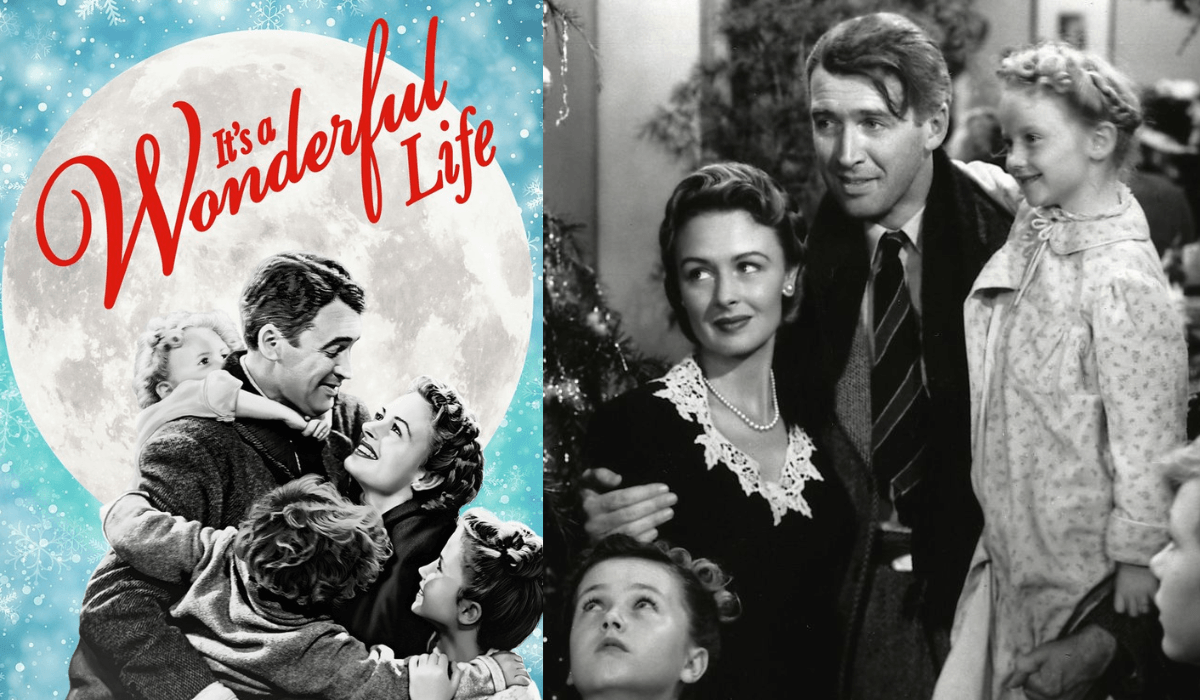
Every December, someone discovers It's a Wonderful Life for the first time and proclaims it's really about faith, or gratitude, or trusting God's plan. They watch George Bailey's journey from suicidal despair to tearful joy and see a religious parable about divine intervention rewarding the righteous.
This interpretation makes the film safe, digestible, perfect for holiday programming. It's also completely wrong. Frank Capra's masterpiece is actually about something far more uncomfortable: the crushing realization that the life you built while waiting for your real life to begin might be the only life you get, and learning to stop resenting that fact before it destroys you.
The Setup Everyone Misremembers
Let's be clear about what actually happens in this film. George Bailey doesn't start out faithless or ungrateful. He's ambitious, intelligent, and generous, with big dreams of seeing the world and building magnificent structures. He's also dutiful to a fault, repeatedly sacrificing his own plans for others: staying home when his father dies, sending his brother to college instead of himself, running a modest building and loan instead of pursuing architecture.
These aren't noble choices made joyfully. They're grudging concessions to circumstances George resents deeply. He stays in Bedford Falls because someone must. He marries Mary and raises a family while his friends live out the adventures he wanted. He watches his college roommate Sam Wainwright get rich off ideas George gave him. Every sacrifice burns because George never stops comparing his actual life to the imaginary better life he thinks he deserves.
The real George Bailey, the one we see for most of the film, is quietly furious about how things turned out. He's kind because that's who he is, but he's also bitter. He loves his family but wishes his life were different. He helps his community while privately believing he's trapped. This tension, not faith or gratitude, drives the entire story. George's crisis isn't about losing faith in God's plan. It's about finally admitting to himself that there is no plan, that this small disappointing life is all there is, and he can't stand it.
Why the Angel Stuff Doesn't Actually Matter
Here's what bothers me about the faith-based interpretation: it requires ignoring how the film actually works. Clarence doesn't show George a world aligned with God's mysterious plan. He shows George the empirical consequences of his choices. Every person George helped is demonstrably worse off without him. Every small kindness produced measurable results. This isn't divine mystery; it's cause and effect.
The lesson isn't "trust God" or "have faith." It's "you've been so focused on the life you didn't get that you missed the life you actually lived." George's transformation comes from seeing objective proof that his ordinary life mattered, not from accepting some greater purpose beyond comprehension. Clarence doesn't offer George comfort about God's plan. He offers George data about his own impact.
I think the religious framing gets imposed because the alternative is too painful. If George's revelation is just "your life mattered even though it wasn't the one you wanted," that forces us to confront our own similar situations. Most of us aren't living our imagined best lives. Most of us made compromises, took paths we didn't prefer, settled for less than we dreamed. The idea that God had a plan all along provides comfort. The idea that we should stop resenting our actual lives and appreciate them for what they are? That's work.
The Community Saves George, Not God
The film's climax drives this point home explicitly. George returns to reality and immediately entrusts his crisis to God, asking for help. What follows isn't divine intervention. It's the community George served returning that service. The people he helped pool their resources to save him. That's not God answering prayers. That's humans helping each other, motivated by reciprocity and affection.
I'm not saying the film is anti-religious. Clearly George prays, and clearly faith matters to him. But the actual mechanics of his salvation are entirely human and material. The townspeople don't show up because God told them to. They show up because George helped them first, and they remember. The "miracle" is community solidarity, not supernatural intervention.
This matters because it changes what the film is teaching. If God solves George's problem, the lesson is "pray and wait for help." If the community solves it, the lesson is "invest in your relationships and they'll invest in you when you need it." The first is passive. The second is actionable. The film clearly presents the second.
The angel framing is window dressing, a narrative device that lets Capra show George things he couldn't see otherwise. Clarence could be replaced with a hallucination, a dream, or a magic mirror without changing the core story. What matters is George seeing how his life affected others. The supernatural element makes that revelation possible but isn't itself the point.

What George Actually Learns and What We Don't Want to Hear
George's revelation, stripped of sentimentality, is brutal: your dreams don't matter if they make you miss what you have. This isn't uplifting. It's resignation dressed as wisdom. George wanted to travel, build great things, escape his small town. Instead he ran a small-town bank, lived in a drafty house, and never left. The "wonderful life" he discovers isn't better than the one he wanted. It's just the one he got, and continuing to resent it serves no purpose.
This is why I resist the interpretation that George was blessed all along but too blind to see it. George was compromised all along, giving up his dreams repeatedly until he'd constructed an entire life from compromises. Blessing suggests gift. Compromise suggests settlement. The film is about learning to embrace settlement without bitterness, which is a much harder and less feel-good lesson than "count your blessings."
Think about what George actually gives up to stay grateful. He surrenders his ambitions, his dreams of significance, his desire for adventure. He accepts that he'll die in the town he wanted to leave, in the house he didn't want to live in, having accomplished none of his goals. The community's love softens this but doesn't change it. George is still trapped in Bedford Falls. He's just decided to stop fighting the trap.
Is that growth? Sure. Is it healthy to accept reality rather than destroy yourself resenting it? Absolutely. But let's not pretend it's a happy ending. It's an ending where George stops wanting what he can't have and learns to want what he's already got. That's practical wisdom, but it's not particularly wonderful. It's more like emotional survival.
My Problem With the Nostalgia Machine
It's a Wonderful Life has become America's default Christmas movie, shown on repeat every December until the message gets worn smooth and safe. We've collectively decided it's about gratitude and faith and the magic of community. We've turned George Bailey into a saint and his story into a parable about divine providence. This interpretation protects us from what the film actually shows: most people don't get to live their dreams, and the question is whether you destroy yourself resenting that fact or find a way to live with it.
I watch this film and see a man who wanted more being told he should be grateful for less. That's not heartwarming. That's heartbreaking. The fact that George ultimately accepts it doesn't make it less tragic. It makes it realistic. Life requires most of us to compromise our ambitions and find meaning in what remains. Some do this gracefully. Some do it bitterly. George nearly chose suicide over acceptance, which tells you how difficult acceptance actually is.
The current cultural moment loves It's a Wonderful Life because it validates settling. We're told to be grateful for what we have, trust the process, believe everything happens for a reason. These platitudes help people cope with disappointment by reframing compromise as choice. But George didn't choose his life. Circumstances forced him into it piece by piece until no exit remained. He makes peace with that reality, but let's not pretend he wouldn't have preferred the life he actually wanted.
I'm not saying people shouldn't watch or enjoy this film. I'm saying we should be honest about what it shows. It shows a man learning to live with permanent disappointment by focusing on what good came from it. That's valuable wisdom. But it's also sad. The fact that George survives his crisis doesn't mean his dreams were wrong or his resentment was unjustified. It means he found a way to keep living despite losing what he wanted most.
What I Actually Take From This Story
Here's my personal read, for what it's worth: It's a Wonderful Life is about the gap between the life we imagine for ourselves and the life we actually get. That gap causes immense suffering because we treat our imagined lives as somehow more real or more deserved than our actual ones. George suffers not because his life is bad but because he can't stop comparing it to the better life he thinks he should have had.
The film's resolution requires George to close that gap by letting go of the imagined life completely. He stops asking "what if I'd left" and starts seeing "here's what happened because I stayed." This shift in perspective doesn't change his circumstances. He still lives in the same house, runs the same business, faces the same financial crisis. But he stops treating his real life as a consolation prize for losing the better one.
I find this both inspiring and devastating. Inspiring because it shows that acceptance is possible even after years of resentment. Devastating because acceptance requires abandoning the dreams that made you who you are. George wanted significance. He wanted to matter beyond Bedford Falls. The film tells him he already matters, but only in Bedford Falls, only in small ways, only in the life he didn't want. Learning to be okay with that is growth, but it's growth that costs you the person you thought you'd become.
Maybe that's what Christmas stories are actually for. Not comforting us that everything's great, but helping us accept that everything's just okay and that has to be enough. The wonderful life isn't the one you wanted. It's the one where you stop wanting what you don't have and start appreciating what you do. That's wisdom, certainly. Whether it's wonderful is another question entirely.
So watch It's a Wonderful Life this year if you want. Enjoy the sentiment, appreciate the community, feel moved by George's salvation. But also recognize what you're watching: a man learning to live with disappointment by calling it blessing, accepting compromise by renaming it choice, and surviving unfulfilled dreams by focusing on the lives he touched along the way. That's not a Christmas miracle. That's just life, and learning to bear it without breaking.