James Cameron Finally Speaks Out On Amy Poehler's 2013 Golden Globes Joke: Why Award Show Humor Still Crosses The Line

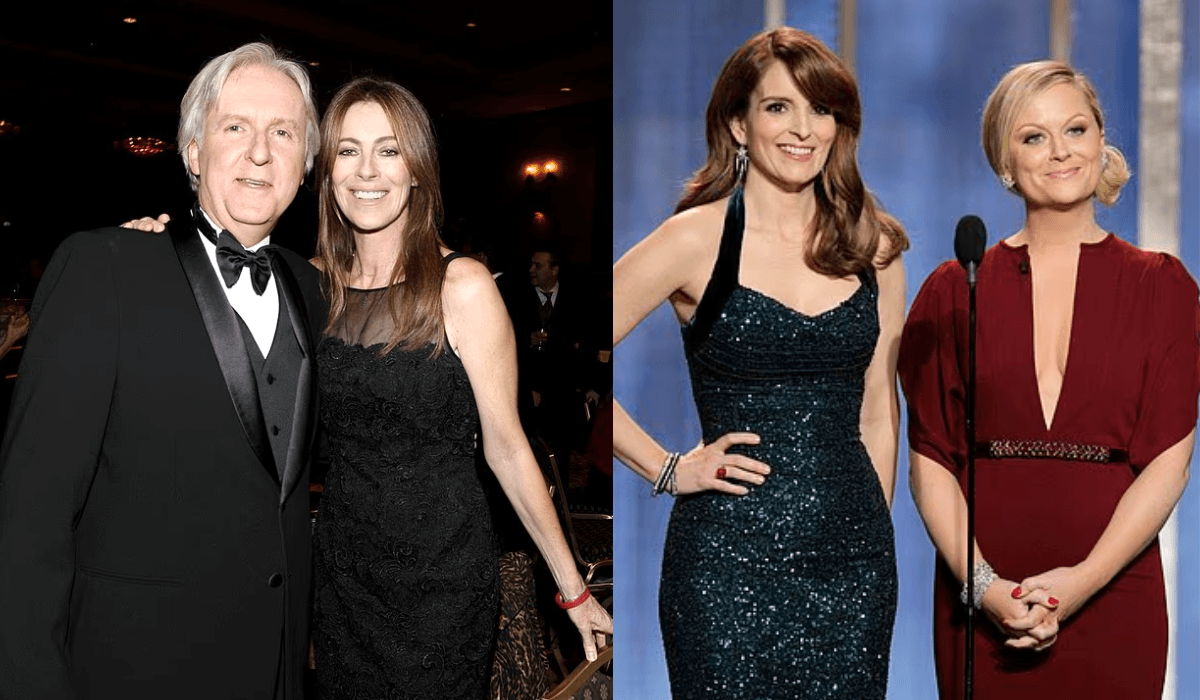
More than a decade after the fact, James Cameron is addressing a joke that still bothers him. The director behind Titanic and the Avatar franchise recently called out Amy Poehler for a quip she made at the 2013 Golden Globes, describing it as an ignorant personal attack rather than harmless comedy. His delayed response raises an important question: where should the line be drawn when celebrities become punchlines at industry celebrations?
The Joke That Landed With a Thud
At the 2013 Golden Globes, Poehler co-hosted alongside Tina Fey in what was their first year helming the ceremony. The show was meant to celebrate the year's best in film and television, with Kathryn Bigelow nominated for best director for Zero Dark Thirty, her thriller about the hunt for Osama bin Laden.
During the opening monologue, Poehler referenced the controversy surrounding the film's depiction of enhanced interrogation techniques. She looked toward Bigelow in the audience and said, "When it comes to torture, I trust the lady who spent three years married to James Cameron." The camera caught visible shock rippling through the room, with Zero Dark Thirty star Jessica Chastain's jaw dropping in response.
The joke drew laughter from much of the industry crowd packed into the Beverly Hilton ballroom. At the time, Cameron remained silent about the comment. But in a recent interview with The New York Times promoting Avatar: Fire and Ash, he made clear the joke bothered him then and continues to bother him now.
Why Cameron Finally Responded
Cameron described Poehler's remark as an ignorant dig delivered at the wrong venue. He believes award shows should celebrate filmmakers and their work, not serve as roasts targeting people's personal lives. While he acknowledged being thick-skinned and typically fine with good-natured ribbing, this particular joke crossed a boundary.
What stung even more than the joke itself was the audience reaction. Seeing a room full of his industry peers laugh at his expense revealed something Cameron finds troubling. He noted that the laughter showed what people assume about him as a person and professional, despite having no real knowledge of who he is or how he operates on set.
Cameron has long carried a reputation as a demanding, perfectionist director. Stories from his film sets paint him as exacting and sometimes difficult. Crew members on The Abyss famously wore t-shirts reading "You can't scare me, I work for Jim Cameron." In a 2009 biography, he described the crew on Aliens as lazy and insolent, admitting they often despised each other during production.
Yet Cameron argues this reputation, built largely on second-hand accounts and industry gossip, doesn't capture the full picture of his working relationships or his personal character. The Golden Globes joke essentially reduced a three-year marriage to a punchline about enduring torture, reinforcing unflattering stereotypes without any nuance.
The Broader Context of Cameron and Bigelow's Relationship
Cameron and Bigelow were married from 1989 to 1991. Both went on to achieve extraordinary success as directors. Bigelow made history at the 2010 Oscars when The Hurt Locker won best picture and she became the first woman to receive the Academy Award for best director, beating Cameron's Avatar in both categories.
Cameron says he was the first person on his feet applauding when Bigelow won. The two remained friendly after their divorce, collaborating on projects including Point Break and Strange Days. According to Cameron, they still advise each other on their respective films and found the media's focus on their past relationship more amusing than offensive during that awards season.
However, Cameron was concerned the constant narrative about their former marriage detracted from Bigelow's credibility as a filmmaker. The conversation shifted away from her artistic achievements toward gossipy speculation about their relationship. Both directors found this frustrating, but Poehler's joke at the 2013 Globes took that frustration to a new level by explicitly making their marriage the punchline rather than honoring Bigelow's nomination.
When Award Show Jokes Go Too Far
The Cameron situation highlights ongoing tensions about the role of humor at industry celebrations. Award shows occupy a strange space. They're promotional events designed to boost films and careers, but they're also entertainment spectacles where audiences expect sharp comedy and cultural commentary.
Hosts walk a tightrope between celebrating achievements and providing the irreverent humor that keeps broadcasts from feeling like extended infomercials. Some of the most memorable award show moments come from bold jokes that puncture Hollywood's self-importance. Ricky Gervais made a career of eviscerating celebrities at the Golden Globes, while Chris Rock's 2016 Oscars monologue about diversity issues remains widely praised.
But there's a difference between satirizing Hollywood's power structures and making jokes at the expense of individuals' personal relationships or private struggles. Effective award show humor typically punches up at systemic issues or self-important behavior, not down at people's marriages, family lives, or personal tragedies.
The problem with Poehler's joke is that it used Cameron and Bigelow's marriage as collateral damage in an attempt to be edgy. The actual target should have been the controversy around Zero Dark Thirty's portrayal of torture, but instead the setup reduced their relationship to a cheap punchline. It made their personal history the joke rather than using it as a vehicle for commentary on the film itself.
The Pattern of Personal Attacks Disguised as Humor
Cameron's experience fits into a broader pattern of award show jokes that cross from clever to cruel. Jo Koy faced immediate backlash at the 2024 Golden Globes for jokes perceived as sexist toward Taylor Swift and dismissive of Greta Gerwig's work on Barbie. His quip about Barbie being based on a doll with big breasts reduced a nuanced feminist film to a crude body joke.
Similarly, recent Streamer Awards faced criticism after hosts made racially insensitive jokes comparing Black creator Kai Cenat to Sean "Diddy" Combs amid serious criminal allegations against Combs. The joke landed not as clever commentary but as a thoughtless and potentially harmful comparison during what should have been a celebratory moment.
These incidents share common elements. They target individuals rather than ideas. They rely on stereotypes or personal details that feel invasive. And they often come at moments when the subjects are being honored, turning celebrations into uncomfortable public humiliations.
Cameron's point about venue matters here. A roast, where everyone understands the format involves brutal personal jokes, operates under different rules than an awards ceremony. People attend roasts knowing they'll be eviscerated. They attend award shows expecting recognition and celebration, not to have their failed marriages or personal struggles weaponized for laughs.
The Double Standard in How Reactions Are Judged
Another dimension to this story involves how Cameron's response has been received. Some dismissed his criticism as thin-skinned complaining about a joke from over a decade ago. Others suggested he should have been able to laugh it off given his success and power in the industry.
This reaction reveals a double standard about who gets to feel hurt by public jokes. Powerful men like Cameron are expected to absorb criticism without complaint. When they do speak up, they're often portrayed as unable to take a joke or lacking self-awareness about their own reputations.
Yet when female celebrities like Taylor Swift visibly react to jokes at their expense, they're frequently defended as justified in not pretending to find sexist humor funny. When comedians face backlash for jokes about marginalized groups, many agree certain topics shouldn't be mined for easy laughs regardless of the comedian's intentions.
The question becomes whether powerful white male directors deserve the same consideration or whether their position in Hollywood's hierarchy means they've forfeited the right to object to personal jokes. Cameron seems to argue that basic standards of decency should apply regardless of someone's status, and that celebrating artistic achievement shouldn't require enduring public mockery of your personal life.
What This Means for Future Award Shows
Cameron's willingness to finally address the joke publicly might signal shifting attitudes about what's acceptable at industry events. The entertainment industry is increasingly sensitive to issues of respect, dignity, and the psychological toll of constant public scrutiny. Mental health awareness has grown, and many recognize that even wealthy, successful people can be genuinely hurt by cruel jokes.
Award show producers face pressure to make broadcasts entertaining enough to attract viewers while avoiding the backlash that comes from jokes that cross the line. This creates a difficult balancing act. Safe, bland humor fails to generate buzz or viral moments. Edgy jokes risk alienating audiences and the very celebrities the shows are meant to celebrate.
The solution might lie in redirecting humor toward ideas and systems rather than individuals. Joke about Hollywood's self-importance, about industry trends, about the absurdity of awards themselves. But avoid using people's marriages, health struggles, or personal tragedies as setup material, even when those individuals have cultivated difficult public reputations.
A Shift in Cameron's Own Approach
Interestingly, Cameron's comments come at a time when he's publicly acknowledged changing his own behavior as a director. He admitted that his approach on the Avatar sequels has evolved dramatically from his earlier films. Rather than yelling at people, he now focuses on encouraging them to bring their best work, recognizing that the creative process matters as much as the final product.
This personal growth may have influenced his decision to finally address Poehler's joke. Having reflected on his own demanding reputation and worked to change it, he may feel more comfortable calling out how that reputation has been weaponized against him in ways that lack context or fairness.
Kate Winslet, who worked with Cameron on Titanic and returned for Avatar: The Way of Water, defended his perfectionism by comparing him to a chef who won't send out a dish until it meets his standards. Other collaborators have praised his thoroughness and vision, even while acknowledging his intensity.
The Verdict on Poehler's Joke
Looking back with 12 years of perspective, Poehler's joke seems like it prioritized getting a shock laugh over respecting the people involved. It reinforced negative stereotypes about Cameron while simultaneously reducing Bigelow's achievement to her relationship history. The setup could have worked with different phrasing that targeted the film's controversy without making their marriage the punchline.
Poehler has not publicly responded to Cameron's recent comments. As a comedian known for smart, often feminist humor, she may recognize in hindsight that the joke didn't represent her best work. Or she may stand by it as appropriate given Cameron's public reputation. Either way, the incident serves as a case study in how even talented comedians can miscalculate at live events.
Award show humor will always involve some level of risk and edge. But Cameron's delayed response reminds us that jokes have consequences, and that people remember being publicly humiliated long after audiences have moved on to the next viral moment. The laughter in the room doesn't necessarily mean the joke was worth telling.