Macaulay Culkin's Exit Wasn't Tragedy, It Was The Smartest Thing A Child Star Ever Did

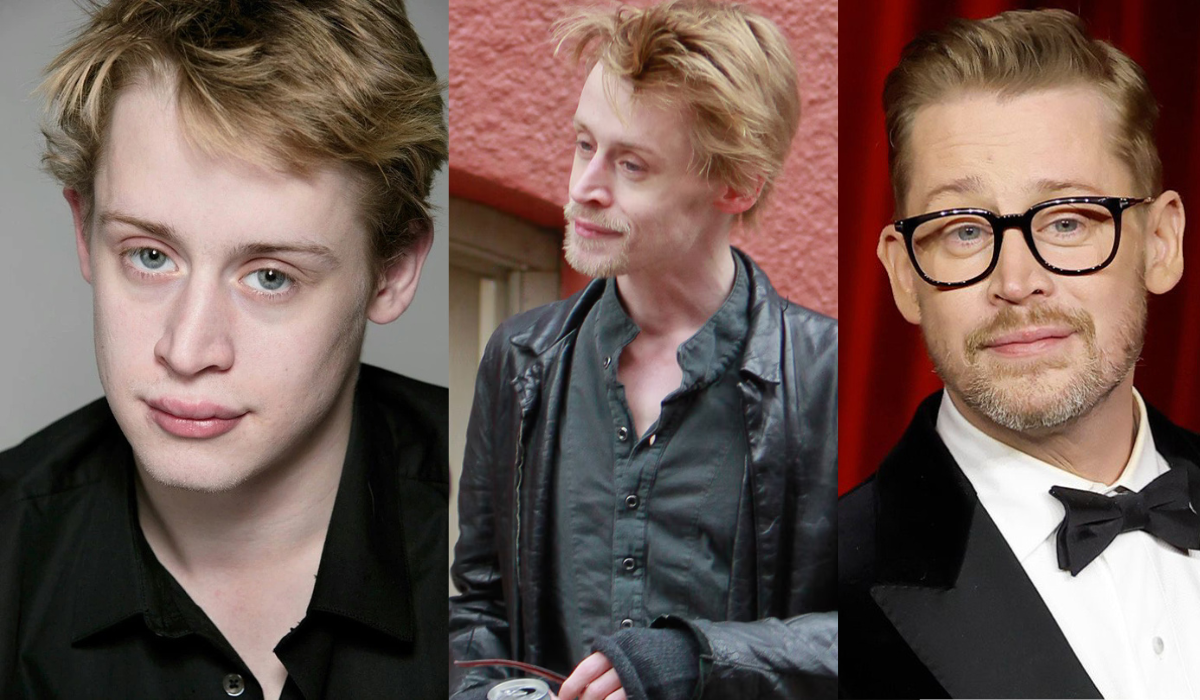
Macaulay Culkin wanted to go to bar mitzvahs. This is the detail that destroys me from his recent interview about why he walked away from acting at 14. Not the abuse from his father who treated him like an ATM. Not the exhaustion of working adult hours while other kids played. Not even comparing his Home Alone experience to Castaway, filming scenes alone while everyone assumed he was surrounded by cast and crew. It's the bar mitzvahs.
The quintessentially teenage social events he missed because he was too busy being Kevin McCallister, the role that made him the most recognizable child on earth and ensured he'd never have a normal adolescence. That specificity, that ordinary teenage longing for parties and friends and normalcy, reveals why his decision to quit wasn't the tragic Hollywood cautionary tale everyone treats it as. It was the sanest choice anyone in his position could have made.
The Isolation Nobody Saw Coming
Culkin's recent revelation about his Home Alone experience should fundamentally change how we understand child stardom. He was essentially working in solitary confinement, filming scene after scene alone in that house, working with adults three times his age who went home to their families while he went home to parents fighting over his money. When people ask what it was like working with Joe Pesci, he has to remind them: we're in two scenes together. The rest is me, alone, being filmed.
This isolation explains so much about why child stars crack under pressure. We romanticize their experience as glamorous, imagine sets full of friendly adults and exciting activities. But Culkin describes something closer to psychological torture: being the sole focus of massive productions, carrying entire films before you're old enough to understand what that responsibility means, performing emotions you haven't lived long enough to actually feel.
The Castaway comparison is devastatingly accurate. Tom Hanks at least had a volleyball to talk to. Culkin had a crew watching his every move, directors demanding specific performances, producers calculating box office returns, parents extracting maximum profit. That's not childhood. That's industrial-level exploitation dressed up as opportunity.
Why "I'm Done" Was the Bravest Thing He Could Say
After Richie Rich flopped in 1994, Culkin reportedly told his parents: "I'm done, guys. Hope you all made your money because there is no more coming from me." He was 14 years old. Most teenagers at 14 can barely decide what to have for lunch. Culkin looked at the machine that had consumed his childhood and said no more. Not because he failed, but because he succeeded so spectacularly that continuing would have destroyed him.
This gets framed as a breakdown or retirement, implying Culkin couldn't handle the pressure and gave up. That's backwards. He handled the pressure better than almost any child star before or since by recognizing it was unsustainable and choosing himself over everyone else's financial interests. The kids who don't walk away, who keep working until drugs or mental illness or premature death, those are the tragedies. Culkin walking away at 14 was wisdom beyond his years.
He wanted to date girls. Go to parties. Hang out with people his own age. These aren't extravagant demands. They're baseline human needs for adolescents developing social skills and identity. But in Hollywood's calculus, his desire for normalcy was selfish. He was the highest-paid child actor in history. He had opportunities most people never get. How dare he want ordinary teenage experiences when he could keep making millions?
This attitude reveals everything wrong with how we treat child performers. We act like fame and money compensate for stolen childhoods, as if financial success negates the need for normal development. Culkin's honesty about what he missed, the bar mitzvahs and summer vacations and lazy afternoons with friends, exposes that trade as fundamentally unjust. No amount of money is worth never being a kid.
The Father Who Made Leaving Necessary
Culkin's father Kit deserves specific attention because his behavior exemplifies the predatory dynamic that makes child stardom so dangerous. Kit was abusive, physically and mentally, wielding violence as motivation: "Do good or I'll hit you." He wasn't managing his son's career; he was extracting profit through intimidation and control. When Culkin finally asserted boundaries, Kit fought him legally for access to the fortune Culkin had earned.
This dynamic isn't unique to the Culkins. The pattern repeats across child star narratives: parents who see their children as investment vehicles, who profit from their labor while providing minimal protection or care, who fight tooth and nail to maintain control even after the child recognizes the relationship as toxic. Drew Barrymore. Corey Feldman. Britney Spears. The names change but the story remains depressingly consistent.
What makes Culkin's story different is that he escaped relatively intact. He got out before the damage became permanent, before substance abuse or mental illness or worse. He walked away when he still had the capacity to build something different. That he managed this despite having a father actively working against his wellbeing makes his survival even more remarkable.
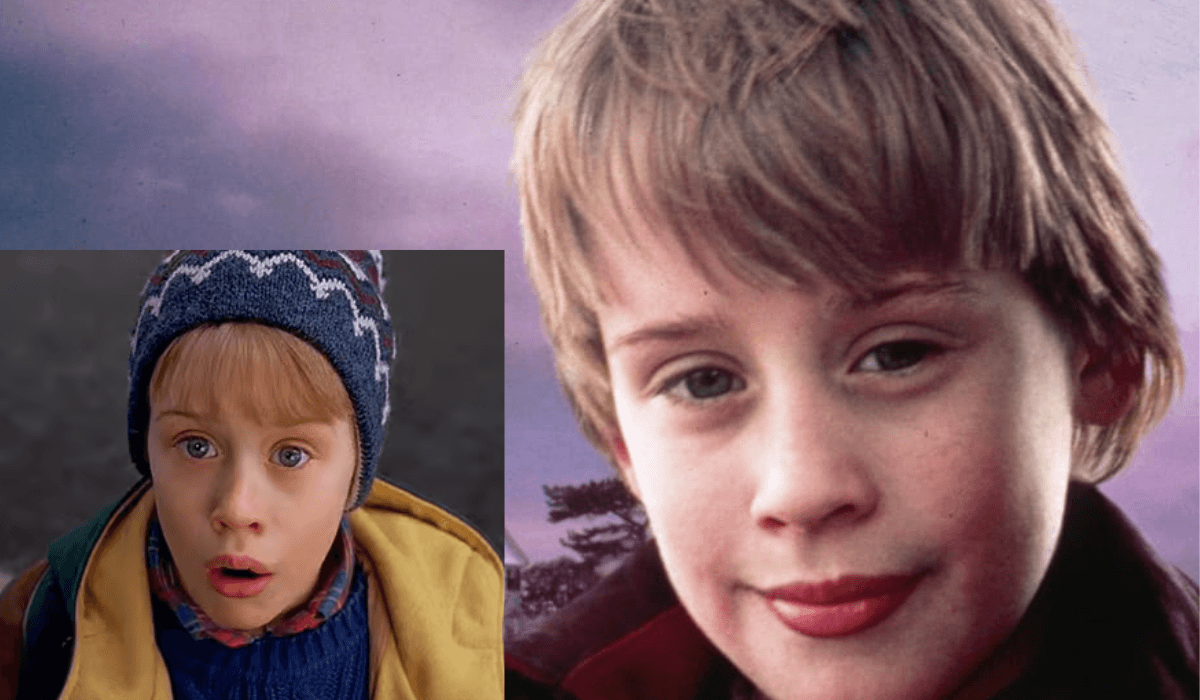
What Fame Does to Children That Adults Refuse to Acknowledge
Culkin's metaphor about fame is perfect and horrible: "You can't un-ring that bell, you can't put the toothpaste back in the tube." Once fame happens to a child, it's permanent alteration. There's no going back to before everyone recognized you, before your image belonged to millions of strangers, before your childhood became public property.
This permanence is exactly why child stardom is ethically questionable at best. Adults choose fame understanding the consequences. They can consent to the trade-offs. Children can't possibly understand what they're giving up because they haven't experienced normal life enough to know what they're missing. Culkin didn't ask to be famous. His father dragged him to his siblings' photoshoot because his mother needed a break. "Out of the gate, my first audition, it was just like booked, booked, booked."
He was naturally gifted, which sounds like a blessing but functioned as a curse. Because he was good at performing, opportunities kept coming. Because opportunities kept coming, his childhood got consumed by work. Because his childhood got consumed by work, he never developed the foundation of normalcy that might have helped him handle fame. The cycle self-perpetuated until he was drowning in success that looked like achievement but felt like suffocation.
His recent honesty about this, the admission that acting found him rather than him seeking it, should prompt serious conversations about whether we should allow child performers at all. If someone can become Hollywood's biggest child star accidentally, through no agency or desire of their own, what does that say about the system that makes such accidents possible?
Why His Return on His Own Terms Matters
Culkin came back to acting as an adult, but on completely different terms. He does projects he wants, when he wants, without the pressure of carrying franchises or meeting others' expectations. His upcoming role in Fallout Season 2, his appearance in American Horror Story, these are choices made by someone with agency rather than someone being exploited.
The difference between child Macaulay and adult Macaulay illustrates exactly what consent means. Child Macaulay couldn't refuse roles or demand breaks or protect himself from abuse. Adult Macaulay can choose projects aligned with his interests, set boundaries, walk away if situations feel wrong. That's the power child performers lack and why they need protection we're not providing.
I'm genuinely glad he's found happiness with Brenda Song and their kids. That he lives quietly in Toluca Lake, does creative projects that interest him, maintains a low profile. This is what success should look like for former child stars: survival, stability, the freedom to build lives disconnected from their childhood fame. Too often the stories end differently, in tragedy we could have prevented if we'd taken child welfare more seriously than entertainment value.
My Frustration With How We Discuss Child Stars
I'm tired of the collective amnesia we have about child stardom every time a new one emerges. We act shocked when they struggle, as if Drew Barrymore's addiction, Corey Feldman's allegations, Amanda Bynes's breakdown, Britney Spears's conservatorship nightmare weren't all completely predictable outcomes of the same system. Then someone like Macaulay Culkin survives relatively intact and we treat it as heartwarming redemption story rather than asking why survival is notable rather than expected.
Culkin shouldn't have needed to walk away at 14 to preserve his mental health. The industry should have protected him from the beginning. His father should have faced consequences for exploitation and abuse rather than being allowed to manage his career. The system that enabled his childhood to be sacrificed for entertainment and profit should have been reformed decades ago.
Instead we just keep doing it. Every generation produces new child stars, and every generation watches some of them crack under pressure while others barely survive. We wring our hands about the tragedies while continuing to consume the entertainment their suffering produces. We praise the ones who escape while doing nothing to prevent others from needing escape in the first place.
Culkin's recent interviews feel like someone offering free lessons from hard experience, and we're too busy being nostalgic about Home Alone to actually learn anything. He's telling us plainly: it was isolating, exploitative, and stole his childhood. He walked away because continuing would have destroyed him. He's found peace by building a life completely disconnected from the fame machine.
What His Kids Not Recognizing Him Says About Everything
The detail that his sons don't recognize him as Kevin McCallister is both touching and profound. They just know him as Dad, not as the famous character who defined a generation's Christmas memories. That anonymity, that ability to exist as just a parent rather than a cultural icon, is the ultimate success story for someone whose childhood was consumed by being recognized everywhere.
I hope he never shows them Home Alone, honestly. I hope they grow up never experiencing what it's like to have their father's childhood commodified for entertainment. I hope they get the normal adolescence he didn't, complete with bar mitzvahs and parties and all the ordinary experiences that seem trivial until they're denied to you.
Culkin walking away at 14 wasn't a tragedy. It was the healthiest, sanest, bravest decision someone in his position could make. Every article framing it as cautionary tale misses the point: the tragedy would have been staying, continuing to sacrifice his wellbeing for an industry that viewed him as product rather than person. The tragedy would have been becoming another casualty we'd tsk about while changing nothing.
He got out. He survived. He built a life he chose rather than one chosen for him. That's not a warning, it's a template. And if that template's lesson is "child stardom is fundamentally exploitative and should require far more protection than we currently provide," then maybe we should finally listen.