Martha Stewart Joins Snoop Dogg As Soccer Owner In Unexpected Christmas Investment

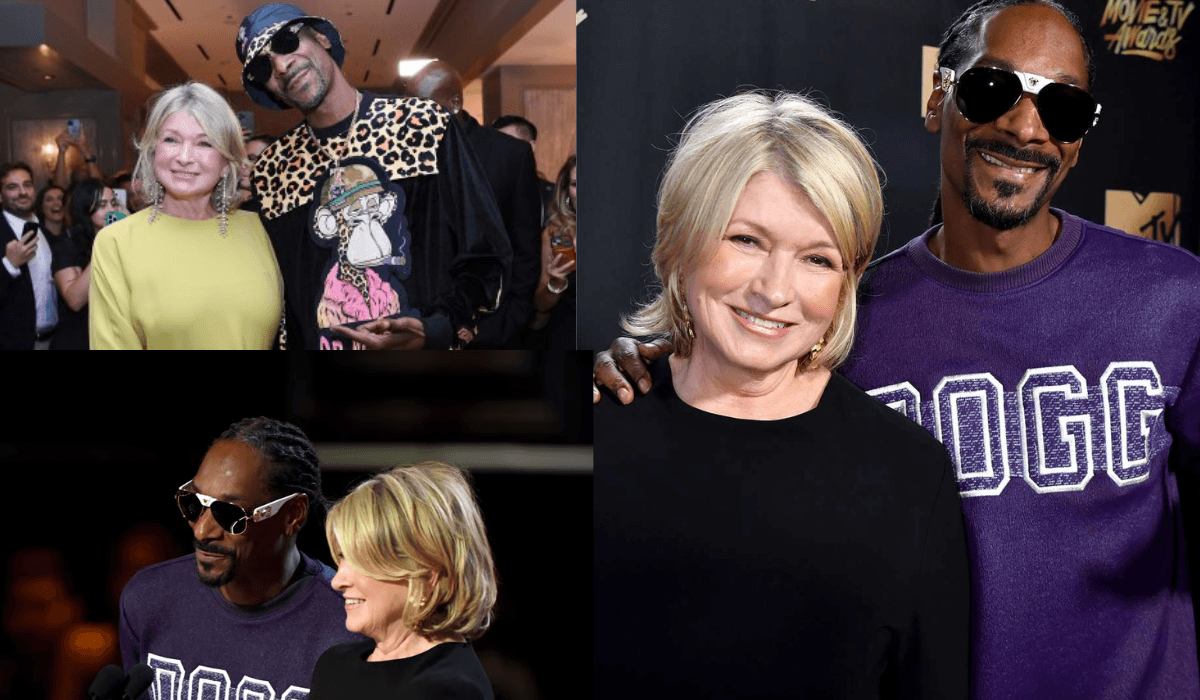
The 84 year old lifestyle mogul showed up at a Welsh soccer match last Friday, watched a dramatic comeback victory, and walked away as a minority owner of Swansea City Football Club. Martha Stewart's latest business move reunites her with longtime friend and collaborator Snoop Dogg in the most unlikely setting: the muddy, competitive world of English second tier football.
Stewart's investment, announced on Christmas Eve 2025, makes her the latest celebrity to join Swansea's increasingly star studded ownership group. She follows rapper Snoop Dogg, who invested in July, and Croatian soccer legend Luka Modric, who came aboard in April. Together, this eclectic trio represents a deliberate strategy by Swansea's American owners to leverage celebrity power for commercial growth.
The move adds another chapter to Stewart's remarkable career reinvention. The woman who built an empire on homemaking and lifestyle expertise is now co-owner of a struggling soccer club battling relegation in England's Championship league. It's an unexpected pivot that says something important about how celebrity, sports business, and modern branding intersect.
From Guest to Owner in Four Days
Stewart attended Swansea's match against Wrexham on December 20, sitting in the stands at the Swansea.com Stadium as the home side mounted a stirring comeback. Wrexham, the Welsh team famously owned by Hollywood actors Ryan Reynolds and Rob McElhenney, looked set to claim victory until Swansea scored twice in the final minutes, winning 2 to 1.
The match featured everything soccer offers at its best: tension, drama, and a last gasp winner that sent the home fans into delirium. For someone experiencing Championship football for the first time, it would have been an intoxicating introduction. Stewart clearly felt the energy.
Within days, Swansea's controlling owners Brett Cravatt and Jason Cohen confirmed what many suspected. Stewart hadn't simply come as a tourist. She was evaluating an investment opportunity, one that apparently impressed her enough to commit actual money to a club currently sitting 19th out of 24 teams in England's second division.
Cravatt and Cohen released a statement to supporters explaining the timeline. Stewart came as their guest, a friend of Snoop Dogg who wanted to experience a live match. But they were delighted to confirm she had followed Snoop and Modric in becoming a minority owner. They emphasized her successful career as America's leading homemaking and lifestyle expert, framing her involvement as a commercial asset rather than just celebrity window dressing.
The ownership group expressed enthusiasm about having Stewart on board. They noted that experiencing Friday night's match in person had only increased her own excitement about becoming part of Swansea City. Whether that excitement will sustain through cold, rainy Tuesday nights in Hull or Millwall remains to be seen.
The Snoop Dogg Connection
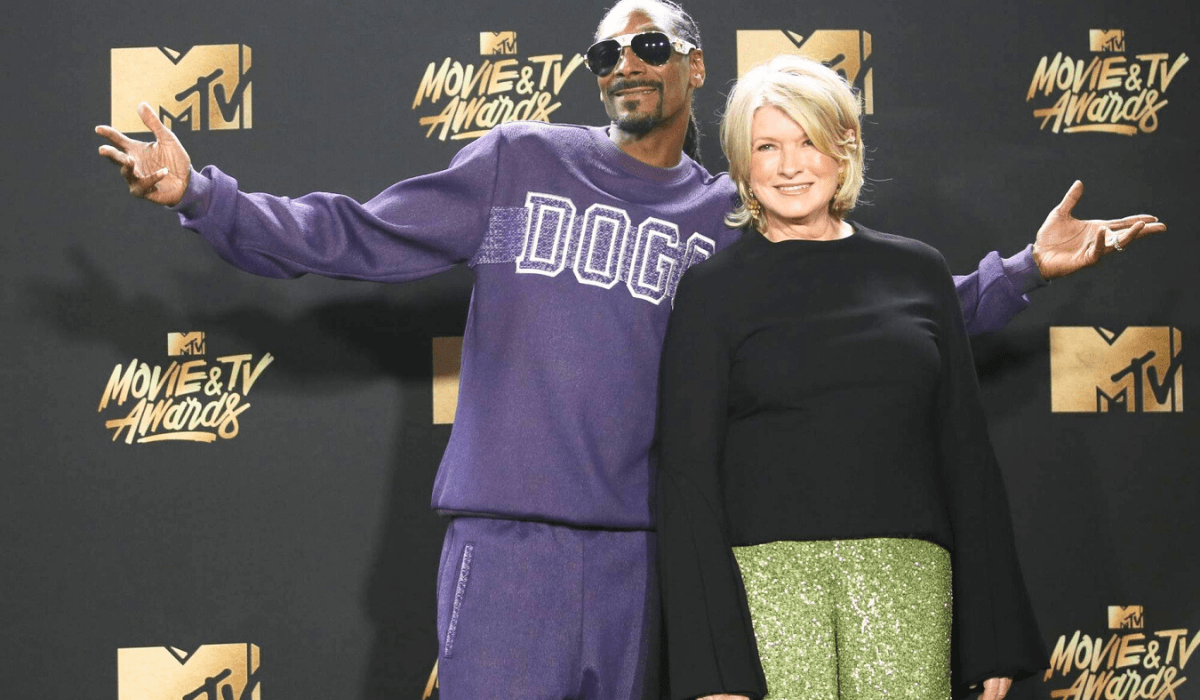
Stewart's decision to invest makes complete sense when you understand her relationship with Snoop Dogg. The two have cultivated one of pop culture's most enduring and unexpected friendships over the past decade. Their bond transcends the obvious differences in their backgrounds, creating marketing gold through sheer unpredictability.
They first collaborated in 2008 when Snoop appeared on "The Martha Stewart Show." The chemistry was immediate and genuine. Since then, they've co-hosted "Martha and Snoop's Potluck Dinner Party" on VH1, appeared together in Super Bowl commercials, provided commentary at the 2024 Paris Olympics, and co-hosted the Puppy Bowl in 2022.
Their friendship works because it feels authentic rather than manufactured. They genuinely enjoy each other's company, creating moments that can't be scripted. When Snoop invested in Swansea in July 2025, Stewart undoubtedly heard about it directly from him. His enthusiasm for the project probably planted the seed for her own involvement.
Snoop has been publicly supportive of Swansea since joining the ownership group. He posted social media content celebrating the team, attended matches when possible, and generally acted as a global ambassador for the club. His connection helped convince Stewart that this was more than a vanity project.
The duo now adds "soccer club co-owners" to their list of joint ventures. It's hard to imagine a more unusual pairing than a domestic goddess and a rap icon owning shares in a Welsh football club, but that's precisely what makes it attention grabbing. Traditional soccer fans might roll their eyes, but Swansea's ownership is betting that global visibility matters more than purist approval.
Why Swansea Wants Celebrity Owners
Swansea City isn't chasing celebrity investors for fun. The club faces serious financial and competitive challenges that celebrity attention might help address. Understanding the strategy requires understanding the brutal economics of English football's second tier.
The Championship sits below the Premier League in England's football pyramid. It's widely considered one of the toughest leagues in world football, featuring 24 teams fighting for three precious promotion spots. The financial gap between Championship clubs and Premier League clubs is staggering. Premier League teams benefit from massive television revenue, international commercial deals, and higher ticket prices. Championship clubs operate on a fraction of that income while spending aggressively to chase promotion.
Swansea previously played in the Premier League from 2011 to 2018, enjoying the financial windfall that comes with top flight status. Since relegation, they've struggled to find a path back. The club's current American ownership group, led by Cravatt and Cohen, took controlling interest in November 2024. They inherited a club with challenging finances, a mediocre squad, and limited commercial appeal beyond Wales.
Cravatt and Cohen both have backgrounds in data driven marketing and customer acquisition. Cravatt co-founded Centerfield, a digital marketing company, with Cohen in 2011. They grew it from two employees to over 2,000 before selling. Their approach to Swansea reflects their business philosophy: use analytics, identify inefficiencies, and leverage unconventional assets for competitive advantage.
Celebrity owners represent that unconventional asset. Swansea explicitly stated their goal when announcing Snoop's investment. They hope his global profile can help spread the Swansea City name as far and wide as possible to boost commercial performance. That additional revenue would then support aspirations on the pitch.
The strategy makes logical sense in theory. Wrexham's transformation under Reynolds and McElhenney proves celebrity ownership can generate unprecedented attention and revenue for lower tier clubs. Swansea is attempting to replicate that model, albeit with different personalities and circumstances.
The Wrexham Blueprint and Its Limitations
Any discussion of celebrity soccer ownership in 2025 must acknowledge the Wrexham phenomenon. Ryan Reynolds and Rob McElhenney purchased the Welsh club in 2021 for approximately 2 million pounds. They've since guided Wrexham through three consecutive promotions, taking the team from the fifth tier National League to the third tier League One.
Their success came through massive investment, brilliant marketing, and the Emmy winning documentary series "Welcome to Wrexham." The show turned a small Welsh town and its football club into a global story, attracting fans from around the world who had never heard of Wrexham before. The club now regularly sells out its expanded stadium, has secured lucrative sponsorship deals with major brands, and is valued at over 150 million pounds.
However, Wrexham's success required Reynolds and McElhenney to lose approximately 20 million pounds funding operations and improvements. They outspent competitors dramatically, buying better players, upgrading facilities, and investing in community projects. Financial fair play regulations don't exist at lower levels of English football, allowing them to essentially buy promotions through superior resources.
Swansea cannot replicate that approach. They compete in the Championship, where profit and sustainability rules limit spending relative to revenue. They cannot simply buy success through unlimited investment the way Wrexham could in lower leagues. This makes celebrity ownership more about marketing and commercial growth than directly funding player acquisitions.
Stewart, Snoop, and Modric are minority investors, not majority owners. They presumably contributed relatively small amounts compared to the club's overall valuation, which reports suggest Swansea sought at around 216 million dollars. Their value comes from attention and branding, not capital injection.
This raises legitimate questions about effectiveness. Will Stewart's involvement actually generate meaningful commercial growth? Can her social media following, estimated at over 18 million on Instagram, translate into Swansea merchandise sales or sponsorship deals? Or is this primarily a publicity stunt that will fade once the novelty wears off?
What Stewart Actually Brings
Evaluating Stewart's potential impact requires understanding her business acumen, which extends far beyond flower arranging and holiday decorating. She became America's first self-made female billionaire through savvy brand building, licensing deals, and media ventures. Her company, Martha Stewart Living Omnimedia, mastered the art of monetizing lifestyle content across multiple platforms.
A former sports investment consultant named Adam Lassner, who previously worked at Citi, offered insightful commentary on LinkedIn about Stewart's value. He argued that getting attention is the easy part. The better opportunity is operational. Stewart built an integrated media engine, mastered licensing deals, and knows how to protect a brand through reputational challenges. If Swansea is smart, he suggested, they'll involve her in product development, retail strategy, and content creation from day one.
This perspective recognizes that Stewart offers more than celebrity endorsement. She has genuine expertise in areas where football clubs often struggle: merchandise quality, retail experience, brand extensions, and content that feels premium rather than generic. Swansea could theoretically leverage her knowledge to improve everything from their club shop to their hospitality offerings.
Whether they actually will is another question entirely. Many celebrity sports investments remain largely symbolic. The celebrity attends occasional matches, posts on social media, and collects minority returns if the club succeeds. They don't actively participate in operations or decision making. Stewart might follow that pattern, or she might genuinely engage given her hands on approach to business throughout her career.
Her recent health scare with skin cancer might also influence her priorities. She revealed having a significant cancer removed, leaving what she described as a big hole that healed remarkably well using products she's developing. At 84, she may view the Swansea investment as a fun adventure rather than a serious business commitment requiring substantial time and energy.
The Modric Factor
Stewart and Snoop get most of the attention, but Luka Modric's involvement shouldn't be overlooked. The Croatian midfielder, widely regarded as one of the best players of his generation, invested in Swansea in April 2025. He won five Champions League titles with Real Madrid and the Ballon d'Or in 2018. He now plays for AC Milan at age 40.
Modric's value to Swansea differs from Stewart's. He offers credibility within the football world, connections to players and agents, and the ability to help recruit talent. Cravatt and Cohen noted that Modric has readily spoken to potential signings, such as Zeidane Inoussa, helping convince them that Swansea is the right place for their careers.
That kind of direct involvement matters more than social media posts. A personal call from a Ballon d'Or winner carries weight with young players evaluating offers. If Modric actively uses his reputation to aid recruitment, his minority stake provides genuine operational value beyond publicity.
The combination of Modric, Snoop, and Stewart creates interesting marketing possibilities. They represent three completely different demographics and fan bases. Modric appeals to traditional football supporters. Snoop connects with hip hop culture and a younger, more diverse audience. Stewart reaches an older, predominantly female demographic that rarely engages with football.
Whether Swansea can effectively activate all three and convert attention into revenue remains uncertain. But the strategic logic is clear: cast a wide net, reach multiple audiences, and hope at least some of that expanded awareness translates into commercial growth.
The Reality Check: Swansea's Struggles
All the celebrity glitter cannot obscure the fundamental problem: Swansea isn't very good at football right now. The team sits 19th in the Championship with seven wins, five draws, and 10 losses through 22 matches. They're several points above the relegation zone but closer to the bottom than the top.
This matters because celebrity ownership works best when paired with sporting success. Wrexham's story captivates because they keep winning promotions. If they were losing matches and sliding down divisions, the documentary would be depressing rather than inspiring. Stewart, Snoop, and Modric cannot change Swansea's league position through their presence alone.
The club fired manager Luke Williams in February 2025 despite entering Christmas in a strong position. Results and performances deteriorated so badly that Cravatt and Cohen decided a change was necessary. Interim manager Alan Sheehan steadied the ship somewhat, earning a permanent contract after guiding Swansea to 11th place. But the current season shows continued inconsistency.
Championship football is brutally competitive. Teams like Leeds United, Sheffield United, and Burnley, all relegated from the Premier League, have vastly superior budgets and squads. Other clubs like Sunderland, Middlesbrough, and Derby County have strong local support and financial backing. Swansea must outperform their resources to compete, requiring excellent recruitment, coaching, and player development.
Celebrity investors don't directly address those challenges. They might generate additional commercial revenue that eventually funds better players, but that's a long term strategy. In the short term, Swansea needs to avoid relegation to League One, which would be financially catastrophic and make celebrity involvement look foolish.
The Broader Celebrity Ownership Trend
Stewart's investment reflects a broader trend transforming football ownership, particularly in England and Europe. Celebrities increasingly view sports teams as appreciating assets that also offer personal enjoyment and branding opportunities. The list of high profile soccer investors grows constantly.
Tom Brady owns a stake in Birmingham City. Will Ferrell invested in Leeds United and Los Angeles FC. Michael B. Jordan backed AFC Bournemouth. Eva Longoria bought into Mexican club Necaxa. LeBron James owns part of Liverpool. The pattern extends across leagues and continents.
This trend accelerated significantly after Wrexham's success demonstrated the potential returns. Celebrities saw that sports ownership could be profitable, fun, and mutually beneficial. Clubs get attention and potentially revenue. Celebrities get an investment that feels meaningful beyond pure financial return.
However, expert opinions differ on whether this trend is sustainable. Some argue celebrity ownership brings valuable diversity to a sport too long dominated by billionaire oligarchs and sovereign wealth funds. Others worry about competitive balance, authenticity, and whether celebrities remain committed when the novelty fades and teams struggle.
Alex Loven, founder of sports equipment retailer Net World Sports, expressed concerns about the "Wrexham effect" creating unsustainable dynamics. He noted that celebrity backed clubs can access resources unavailable to traditional clubs, distorting competition in lower leagues without financial fair play regulations. If only clubs with celebrity owners can compete, it removes the meritocracy that underpins grassroots sport.
That criticism applies less to Championship clubs like Swansea, which compete under profit and sustainability rules limiting spending. But it raises philosophical questions about what football ownership should look like and whether celebrity involvement helps or harms the sport's overall health.
What Success Would Look Like
For Stewart's investment to be considered successful, several things need to happen. First, Swansea must stabilize in the Championship, avoiding relegation while gradually improving their league position. Without sporting competitiveness, no amount of celebrity glamour can sustain interest.
Second, the club needs to demonstrate measurable commercial growth attributable to celebrity involvement. That means new sponsorship deals, increased merchandise sales, growing social media engagement, and expanded global fan base. If those metrics don't improve, the strategy has failed.
Third, Stewart ideally would engage substantively rather than symbolically. Her business expertise in branding, retail, and content could genuinely help Swansea if applied seriously. If she's just a name on the ownership list who shows up for an occasional match, the value diminishes significantly.
Fourth, the celebrity owners should help rather than hinder the club's relationship with its traditional fan base. Swansea supporters care deeply about their team and community. They won't appreciate feeling like their club has become a celebrity vanity project. Managing that tension requires sensitivity and genuine commitment to the club's history and values.
Finally, the investment should eventually prove financially sound. While Stewart doesn't need the money, no investor wants to lose money unnecessarily. If Swansea continues struggling and the club's value declines, even minority stakeholders will experience financial consequences.
Promising Yet Problematic
Honestly, I find celebrity soccer ownership both exciting and concerning. The excitement comes from attention and resources flowing to clubs that previously struggled in obscurity. Swansea isn't Manchester United or Arsenal. They don't naturally command global interest or massive commercial deals. Celebrity involvement genuinely helps level the playing field slightly.
Stewart's specific involvement intrigues me because she brings more than fame. Her demonstrated business acumen suggests she could add operational value if she chooses. The question is whether an 84 year old billionaire lifestyle expert will actually engage meaningfully with a struggling Welsh football club, or whether this is just an amusing investment she made because her friend Snoop suggested it.
My concern centers on authenticity and sustainability. Football clubs are community institutions first and businesses second. They represent cities, towns, and regions with deep historical and emotional connections. When American celebrities with no connection to Wales buy ownership stakes for commercial purposes, it risks reducing the club to a commodity or marketing vehicle.
Swansea supporters have watched their club decline since Premier League relegation. They've endured ownership instability, financial struggles, and disappointing results. Do they really benefit from Martha Stewart becoming a minority owner? Or does it primarily benefit the American owners seeking to boost commercial revenue and eventually sell at a profit?
The Wrexham comparison also bothers me because it's misleading. Reynolds and McElhenney are majority owners who invested heavily, moved to Wales part time, engaged deeply with the community, and demonstrated genuine commitment. Stewart, Snoop, and Modric are minority investors making modest financial commitments. The comparison flatters Swansea while obscuring the significant differences.
Additionally, I question whether celebrity ownership creates false hope. Swansea fans might believe that Stewart and Snoop's involvement means imminent success, when reality suggests years of hard work, smart recruitment, and luck are required to escape Championship mediocrity. Celebrity ownership isn't a magic solution. It's a marketing strategy that might generate additional revenue if executed well.
That said, I appreciate the attempt to think creatively about club finances. Championship football is punishingly expensive, and clubs need every advantage possible. If Stewart's involvement helps Swansea negotiate better sponsorship deals or expand their merchandise reach, that benefits the club and potentially the fans through better players and facilities.
I'm also intrigued by how this friendship between Stewart and Snoop keeps generating unexpected collaborations. Their relationship transcends typical celebrity pairings, feeling genuine and mutually respectful. Co-owning a Welsh soccer club is perhaps their strangest venture yet, but it's consistent with their pattern of finding unlikely common ground.
What Happens Next
Stewart hasn't publicly commented since the announcement, maintaining silence on her social media platforms. Whether she'll actively promote Swansea or remain quietly in the background is unclear. Given her marketing savvy, a complete media campaign seems likely at some point, perhaps timed to a match day visit or significant club announcement.
Swansea's immediate focus must be surviving the current Championship season. They face a crucial stretch of matches that will determine whether they compete for playoffs, settle into mid table obscurity, or get dragged into a relegation fight. Their next match comes against league leaders Coventry on Friday, December 27, a challenging test that will reveal much about the team's current form.
The club continues seeking additional investment beyond the celebrity minority stakes. Reports in September suggested Swansea was trying to raise 67 million dollars at a potential valuation of 216 million dollars. Whether those efforts succeed likely depends partly on the attention generated by Stewart, Snoop, and Modric's involvement.
Longer term, Swansea needs to develop a sustainable model that doesn't rely on celebrity novelty. The Wrexham documentary will eventually end. Public interest in celebrity owned clubs will eventually wane. When that happens, Swansea must have built genuine commercial infrastructure, recruited well, and established sporting competitiveness that sustains itself.
The club also announced plans to open a destination space called "The Swansea Jack" where supporters can celebrate the club's heritage and history. Projects like this show awareness that long term success requires respecting tradition while embracing innovation. Balancing those competing demands will determine whether Swansea's celebrity ownership strategy succeeds or becomes a cautionary tale.
An Experiment Worth Watching
Martha Stewart's investment in Swansea City represents a fascinating experiment in sports business, celebrity branding, and the evolving economics of football ownership. An 84 year old lifestyle mogul with no apparent connection to Wales or soccer is now co-owner of a struggling Championship club alongside a rapper and a Ballon d'Or winner.
The outcome remains uncertain. This could prove brilliant, leveraging diverse celebrity platforms to generate commercial growth that funds sporting improvement. Or it could prove superficial, generating brief attention before fading into irrelevance as Swansea continues mediocre performances.
What makes the story compelling is its unpredictability. Stewart has repeatedly defied expectations throughout her career, from building a billion dollar empire to surviving prison to reinventing herself in her 70s and 80s. Perhaps she'll surprise skeptics again by genuinely engaging with Swansea and helping transform the club's commercial operations.
Or perhaps this is simply a minor investment that sounded fun when Snoop suggested it, requiring little ongoing involvement and generating modest returns. Either outcome tells us something interesting about modern celebrity, sports business, and the strange ways they increasingly intersect.
For now, Swansea supporters must hope their celebrity owners bring more than publicity. They need tangible results: better players, improved facilities, commercial growth, and eventually, sporting success. Martha Stewart spent decades teaching Americans how to do things properly, with attention to detail and commitment to quality. Swansea could use some of that right now.