One Battle After Another Sweeps Golden Globes 2026 With 4 Wins Including Best Picture

Paul Thomas Anderson's One Battle After Another dominated the 2026 Golden Globes, taking home four awards including Best Motion Picture, Musical or Comedy. The film's sweep marked one of the most decisive victories of the night and positioned it as a serious Oscar contender heading into the final stretch of awards season.
A Clean Sweep for Paul Thomas Anderson
The film collected wins in four major categories: Best Motion Picture, Musical or Comedy; Best Director; Best Screenplay; and Best Supporting Actress. Out of nine total nominations, One Battle After Another converted nearly half into wins, an impressive showing that speaks to both the film's quality and its broad appeal among voters.
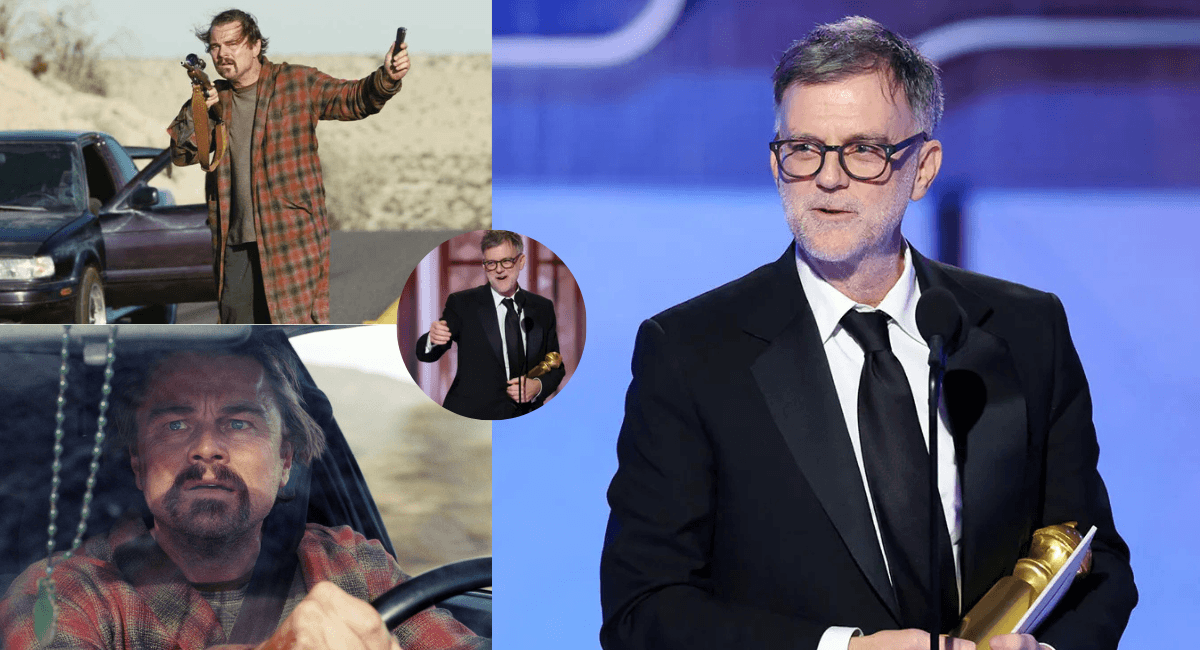
Paul Thomas Anderson himself took home two trophies, winning Best Director and Best Screenplay. The dual recognition highlights Anderson's complete creative vision for the project. He didn't just direct someone else's script or write something for another director to interpret. This was his story, told his way, and the Hollywood Foreign Press Association recognized that singular authorship.
For Anderson, these wins add to an already impressive collection of accolades throughout his career. Known for films like There Will Be Blood, The Master, and Phantom Thread, Anderson has established himself as one of contemporary cinema's most distinctive voices. One Battle After Another proves he's not resting on past laurels but continuing to push his craft forward.
Teyana Taylor's Emotional Victory
The night's most moving moment came when Teyana Taylor won Best Supporting Actress for her performance in One Battle After Another. Taylor beat out strong competition including Ariana Grande, Zoe Saldaña, Isabella Rossellini, and Danielle Deadwyler to claim the trophy.
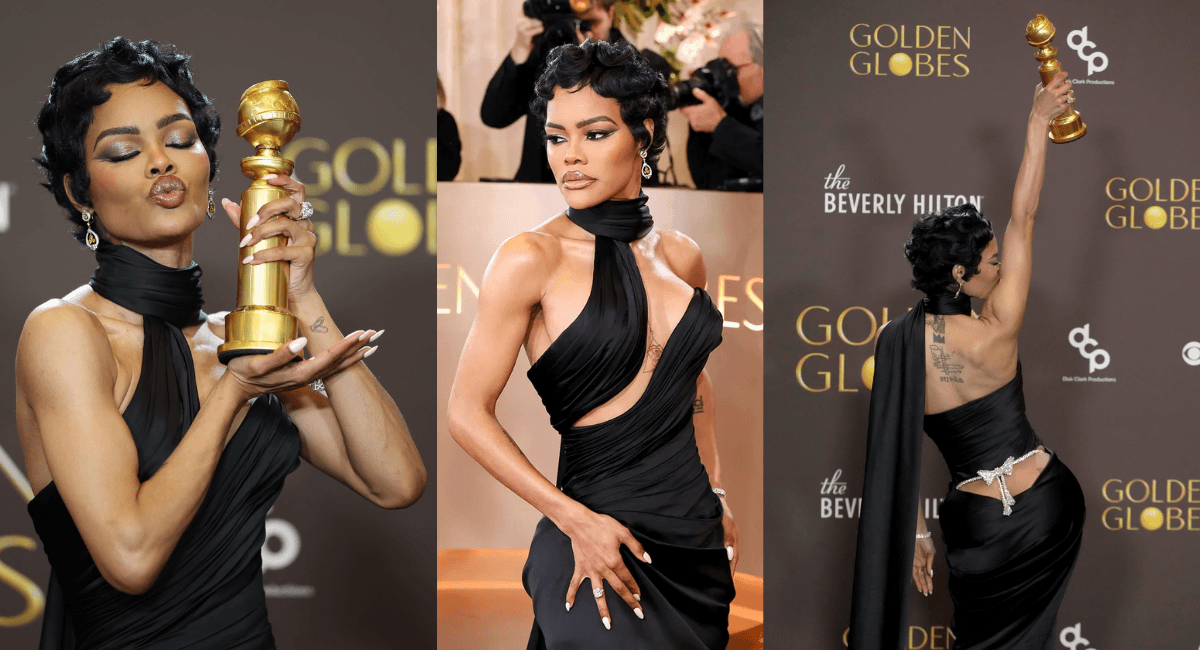
Her acceptance speech became one of the ceremony's standout moments. With genuine emotion, Taylor spoke about what the win meant for representation. "I want all the Brown girls to see this and know that you can do anything you put your mind to," she said, her voice catching as she fought back tears.
The speech resonated because it felt authentic. This wasn't performative activism or empty platitudes. This was a woman who understood the significance of being recognized by a major awards body and wanted to use that moment to inspire others who might not see themselves represented in these spaces.
Taylor's win is particularly significant because she's primarily known as a musician and dancer. Transitioning from music to film is notoriously difficult, with many artists struggling to be taken seriously as actors. Taylor's Golden Globe validates her talent and opens doors for future opportunities in cinema.
A Star-Making Performance
Industry insiders have been buzzing about Taylor's performance since the film premiered at the Toronto International Film Festival. Her character brings depth and nuance to what could have been a one-dimensional role, finding humanity and vulnerability in unexpected moments.
Paul Thomas Anderson is known for getting remarkable performances from his actors, but Taylor wasn't just following direction. She brought her own life experience and artistic sensibility to the role, creating something that felt both specific to Anderson's vision and distinctly her own.
The chemistry between Taylor and her castmates, particularly Leonardo DiCaprio, has been praised by critics. Their scenes together crackle with tension and unspoken emotion, the kind of magical on-screen connection that can't be manufactured or forced.

Leonardo DiCaprio's Latest Tour de Force
While Leonardo DiCaprio didn't win in the Best Actor, Musical or Comedy category, his performance in One Battle After Another has been widely celebrated as some of his finest work. DiCaprio plays a role that allows him to showcase both his dramatic chops and his underutilized comedic timing.
This marks another collaboration between DiCaprio and a prestigious director, continuing a pattern that has defined much of his post-Titanic career. From Martin Scorsese to Quentin Tarantino to Alejandro Iñárritu, DiCaprio has consistently chosen to work with filmmaking masters, and Paul Thomas Anderson certainly belongs in that company.
The actor's commitment to the role is evident in every frame. Reports from the set indicated DiCaprio immersed himself completely in the character, working closely with Anderson to develop the nuances of his performance. That dedication shows in the final product.
The Leonardo DiCaprio Factor
Having DiCaprio attached to One Battle After Another undoubtedly helped the film's visibility and awards prospects. He's one of the few true movie stars left, someone whose name alone can get a project greenlit and audiences into theaters.
But more importantly, DiCaprio brings credibility. When he signs onto a film, it signals quality. Audiences and critics alike trust his judgment. His involvement with One Battle After Another gave the project an immediate legitimacy that benefited everyone involved.
The Golden Globes ceremony featured a memorable moment when host Nikki Glaser made a joke about DiCaprio's dating history during her monologue. She quipped about his girlfriend Vittoria Ceretti being 27 years old, wearing a Rob Reiner tribute Spinal Tap hat while saying, "This one went to 11." The joke landed with the audience, showing that DiCaprio has a sense of humor about the public's fascination with his personal life.
Warner Bros.' Calculated Gamble
One Battle After Another represented a significant investment for Warner Bros. The studio bet big on Paul Thomas Anderson's vision, giving him the creative freedom and budget necessary to realize his ambitious story. That gamble has clearly paid off.
In an era where studios increasingly favor superhero franchises and established IP, Warner Bros. backing an original Paul Thomas Anderson film showed real courage. The film industry needs studios willing to take risks on singular artistic visions, and this success could encourage more of that behavior.
The film's nine Golden Globe nominations and four wins will help its box office prospects heading into the new year. Awards generate buzz, and buzz sells tickets. Warner Bros. now has a genuine Oscar contender on its hands, which means months of additional publicity and promotional opportunities.
The Marketing Campaign That Worked
Warner Bros.' marketing team deserves credit for positioning One Battle After Another perfectly for awards season. They emphasized the film's artistic merit while also highlighting its entertainment value, a difficult balance to strike.
The studio organized intimate screenings for voting members, followed by Q&A sessions with Anderson and the cast. They made the talent available for interviews and press appearances. Most importantly, they gave people time to discover the film, building word-of-mouth rather than trying to force an immediate reaction.
This patient, strategic approach paid dividends at the Golden Globes. The film felt like a discovery, something special that audiences and critics were finding together, even though it was being carefully managed by a major studio every step of the way.
Paul Thomas Anderson's Directorial Vision
What sets One Battle After Another apart is Anderson's meticulous craftsmanship. Every shot feels purposeful, every edit justified. His trademark long takes and deliberate pacing force audiences to sit with characters and really observe them, finding truth in small moments rather than big dramatic gestures.
Anderson's screenplay balances comedy and drama in a way that feels organic rather than forced. The humor emerges naturally from character and situation rather than being imposed through witty one-liners or manufactured set pieces. The dramatic moments hit harder because they're earned through careful character development.
His direction of actors has always been one of Anderson's greatest strengths. He creates an environment where performers feel safe taking risks and exploring unconventional choices. That trust shows in the performances throughout One Battle After Another, with the entire cast delivering work that feels lived-in and authentic.
Cinematography and Technical Excellence
While the Golden Globes don't have technical categories, One Battle After Another's cinematography has been widely praised. Anderson's frequent collaborator shot the film with a warm, textured visual palette that feels both timeless and distinctly contemporary.
The film's production design creates fully realized worlds without calling attention to itself. Sets feel like real places where people actually live and work, not Hollywood constructions designed to look good on camera. That authenticity helps ground even the more heightened moments of comedy and drama.
The score supports the narrative without overwhelming it, another hallmark of Anderson's collaborations with composers. Music punctuates emotional beats and establishes tone while allowing scenes to breathe and actors to work without being told how to feel by swelling strings.
The Road to Oscar
One Battle After Another's Golden Globes success positions it well for the Academy Awards. While the Globes don't always predict Oscar winners, strong performances here certainly don't hurt. The film now has momentum heading into the final stretch of awards season.
The Academy tends to favor Paul Thomas Anderson, having nominated him multiple times over his career. He's respected by his peers and considered one of the most important American filmmakers working today. That goodwill could translate into nominations and possibly wins across multiple categories.
Teyana Taylor's emotional Golden Globe win makes her a strong contender for a Best Supporting Actress Oscar nomination. The Academy loves a good narrative, and first-time film actor winning major awards certainly qualifies. Her chances will depend on whether she can maintain momentum through the Critics Choice, SAG, and BAFTA ceremonies.
Potential Oscar Categories
One Battle After Another should compete in several Oscar categories. Best Picture is obviously in play, as are Best Director and Best Original Screenplay for Anderson. Best Actor for DiCaprio and Best Supporting Actress for Taylor both seem likely.
Technical nominations are also probable. Best Cinematography, Best Production Design, Best Film Editing, and Best Original Score all seem within reach. The film could easily land 8-10 Oscar nominations, putting it among the year's most recognized films.
The question is whether it can actually win. Best Picture remains competitive, with strong contenders including Hamnet and other films still building momentum. Anderson's chances of winning Best Director are stronger, given his reputation and the film's cohesive vision.
Critical Reception and Audience Response
Critics have largely embraced One Battle After Another, praising Anderson's screenplay and direction as well as the performances throughout. Review aggregator scores remain strong, with the film holding in the 80s and 90s on most platforms.
Audience reception has been more divided, as is often the case with Paul Thomas Anderson films. His deliberate pacing and character-focused storytelling don't appeal to everyone. Some viewers find the film meandering or self-indulgent, common criticisms of Anderson's work.
But those who connect with the film tend to connect deeply. Social media has seen passionate defenses of One Battle After Another from fans who appreciate Anderson's uncompromising artistic vision. That kind of passionate support can drive word-of-mouth and help sustain box office performance.
The Box Office Question
One Battle After Another faced the challenge all adult-oriented dramas confront in the current theatrical marketplace. Without superheroes or established franchises, attracting audiences has become increasingly difficult. The film's box office has been respectable rather than spectacular.
However, awards season buzz typically provides a boost. People want to see nominated films, and wins at the Golden Globes could drive curious viewers to theaters. Warner Bros. will likely expand the film's theatrical footprint in coming weeks to capitalize on this renewed interest.
The film's eventual streaming release will probably be where it finds its largest audience. That's not a criticism of the film but rather a reflection of current viewing habits. Many people now prefer to watch dramas at home, saving theatrical experiences for spectacle-driven films.
Comparing to Other Paul Thomas Anderson Films
One Battle After Another stands as a worthy addition to Paul Thomas Anderson's filmography. It lacks the raw intensity of There Will Be Blood or the uncomfortable intimacy of The Master, but it finds its own tone and style that feel distinctly Anderson while offering something new.
The film's comedic elements make it more accessible than some of Anderson's darker work, though calling it a straight comedy would be misleading. Like all Anderson films, it defies easy categorization, blending genres and tones in ways that feel organic rather than calculated.
Long-time Anderson fans will recognize his aesthetic signatures throughout: the long takes, the meticulous framing, the carefully orchestrated blocking. But there's also a looseness here, a willingness to let moments play out naturally that suggests Anderson's continued growth as a filmmaker.
One Battle After Another's success sends an important message to the film industry. Original stories told by distinctive filmmakers can still resonate with audiences and awards bodies. The business doesn't have to be entirely driven by franchises and intellectual property.
Warner Bros.' willingness to fund and promote an auteur-driven project like this could encourage other studios to take similar chances. The film's four Golden Globe wins and strong critical reception prove there's still an appetite for cinema that challenges audiences while entertaining them.
For aspiring filmmakers, One Battle After Another demonstrates the importance of developing a distinctive voice. Anderson has created a body of work that's immediately recognizable, films that could only come from him. That kind of authorship is valuable both artistically and commercially.
The Supporting Cast
While Teyana Taylor won the Golden Globe for Best Supporting Actress, the entire supporting cast of One Battle After Another deserves recognition. Anderson assembled a group of character actors who bring depth and humanity to every scene.
The ensemble chemistry is palpable throughout the film. These actors clearly trusted each other and the material, taking risks and making bold choices that might not have worked with a less confident group. Anderson's skill at casting and directing actors remains one of his greatest strengths.
Several supporting players have seen their profiles raised by appearing in One Battle After Another. Industry insiders are already talking about breakout performances that could lead to bigger opportunities for actors who were previously little known.
The Musical or Comedy Category Question
One Battle After Another's placement in the Musical or Comedy categories at the Golden Globes raised some eyebrows. The film certainly has comedic elements, but it also contains genuine drama and emotional weight. Some questioned whether it truly belonged in this category rather than competing as a drama.
This is an ongoing debate about the Golden Globes' category structure. Films that blend genres often get strategically placed in Musical or Comedy to avoid stiffer competition in the Drama categories. It's a legitimate tactic, though it can feel like gaming the system.
In One Battle After Another's case, the categorization seems defensible. The film does have significant comedic elements, and Anderson himself has described it as his attempt at making a funnier film. Whether it would have been competitive in the Drama categories is impossible to know.
What the Golden Globes Mean for Everyone Involved
For Paul Thomas Anderson, these wins add to his legacy as one of American cinema's most important directors. They also give him additional leverage for future projects, making it easier to get financing and attract talent for his next film.
For Teyana Taylor, the Golden Globe is potentially career-defining. It establishes her as a serious actress rather than just a musician who dabbles in film. Future casting directors will take her seriously for dramatic roles, opening up opportunities that weren't available before.
For Leonardo DiCaprio, One Battle After Another adds another quality film to an already remarkable resume. While he didn't win the Golden Globe, his performance has been widely praised, and he remains a favorite for Oscar consideration.
For Warner Bros., the wins validate their investment in prestige filmmaking. The studio can point to One Battle After Another as evidence that they're not just churning out franchise content but also supporting artistic vision and quality storytelling.
My Take on One Battle After Another's Success
As someone who appreciates Paul Thomas Anderson's work, seeing One Battle After Another sweep the Golden Globes felt satisfying but not surprising. Anderson has been making excellent films for decades, and it's about time one of them dominated an awards ceremony like this.
What struck me most about the wins was how genuinely emotional the acceptance speeches were, particularly Teyana Taylor's. These didn't feel like obligatory thank-yous or carefully crafted PR statements. They felt like real people genuinely moved by recognition from their peers.
The four wins position One Battle After Another as a serious Oscar contender, but more importantly, they'll help the film find a wider audience. People who might not typically seek out a Paul Thomas Anderson film might now give it a chance based on the Golden Globe buzz. That's ultimately good for cinema.
I hope this success encourages more studios to take chances on distinctive filmmakers with singular visions. The industry needs voices like Paul Thomas Anderson, directors who refuse to compromise their artistic integrity even when commercial pressures push in that direction. One Battle After Another proves that approach can still succeed.
Related Reads: Selena Gomez Stuns In Custom Chanel At Golden Globes 2026 As Newlywed