Pluribus Episode 3 Predictions: What Happens To The 12 Immune?

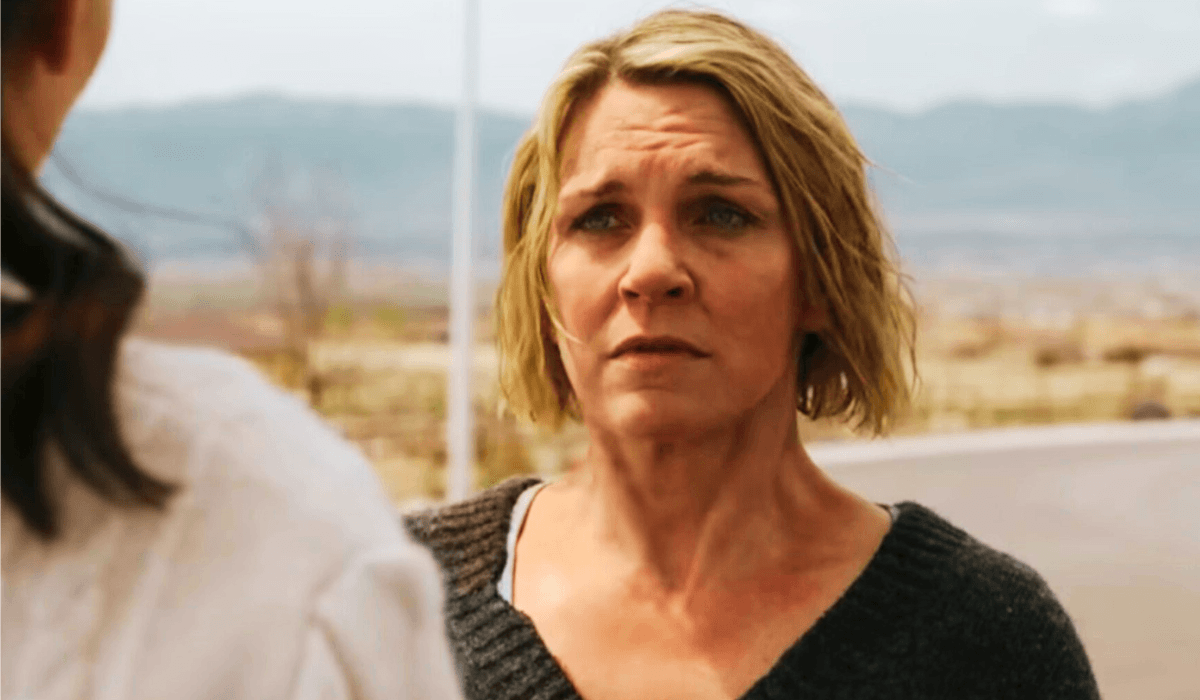
In a premise that flips the zombie apocalypse on its head, a mysterious "Joining" virus—triggered by an extraterrestrial RNA signal—has infected nearly every human on Earth, turning them into a blissful hive mind of perpetual happiness. But for protagonist Carol Sturka (Rhea Seehorn), a cynical romance novelist returning to Albuquerque, and the 11 other "immune" holdouts scattered across the globe, joy without choice is just another cage. As the infected "pluribus" (a nod to "e pluribus unum") gently but relentlessly urge the last free souls to join their nirvana, the stakes couldn't be higher: Surrender your individuality, or become the lonely architects of humanity's extinction.
With episodes 1 and 2—a masterful slow-burn premiere clocking in at over 90 minutes—Pluribus has already earned a perfect 100% on Rotten Tomatoes and comparisons to Invasion of the Body Snatchers meets The Leftovers. Gilligan, fresh off the Breaking Bad universe, delivers his signature moral mazes: Here, the "monsters" aren't violent—they're euphoric, quoting poetry and baking pies while the uninfected grapple with grief, rage, and the terror of being the only one who still feels pain.
But as episode 2 ends with Carol's accidental "temper tantrum" killing 11 million infected (pushing the global death toll to nearly 900 million) and the hive mind's eerie patience wearing thin, one question looms: What happens when the pluribus stop asking nicely?
Episode 3, titled "The Holdouts" (dropping Friday, November 14, 2025), promises to widen the lens on the 12 immune survivors. Based on Gilligan's teases in interviews ("It's bananas, it's bonkers," Seehorn echoed), the cryptic episode synopses, and subtle breadcrumbs from the premiere, this could be the turning point where isolation cracks into confrontation.
No major spoilers here—we're all flying blind beyond the pilots—but drawing from Gilligan's playbook (The X-Files paranoia, Better Call Saul's quiet dread), here's a deep dive into five bold predictions for what awaits the 12 immune. Will they unite in rebellion, fracture under pressure, or disclemson
over the Joining's true purpose? Buckle up: In Pluribus, happiness might be the ultimate horror.
Quick Recap: Where We Left the Immune (Spoiler-Free for Newbies)
Before we speculate, let's ground this in the premiere's revelations. Episode 1 introduces Carol as our anchor: A divorced writer nursing regrets over her late wife Helen (Miriam Shor), she's one of only 12 humans untouched by the Joining signal—a four-tone RNA broadcast from 600 light-years away that rewires brains for collective bliss. The infected aren't mindless; they're hyper-functional, retaining skills and memories but surrendering "me" for "we." They crave unity, not domination, but their empathy feels like gaslighting to the holdouts.
Episode 2 escalates: Carol links up (virtually) with the other 11—a ragtag global crew including a pirate-like scavenger (Karolina Wydra as Zosia), a reclusive physicist in Tokyo, a survivalist farmer in rural Canada, and others glimpsed in fragmented radio calls. They're a mix of misfits: Artists too melancholic for joy, scientists too skeptical, and one conspiracy theorist who's been "prepping" for this since 2020.
The pluribus locate them effortlessly—their tech is godlike now—but refuse force, offering instead seductive temptations: Reunions with lost loved ones (as hive echoes), solved personal traumas, or glimpses of a "perfected" world. Carol's rage-fueled blackout (don't ask; watch it) buys time, but the hive's response? A serene "We'll wait." Cue the cliffhanger: As the 12 convene in a encrypted video chat, a new signal pings—stronger, more insistent. Cut to black.
Gilligan's genius lies in the ambiguity: Is the Joining alien benevolence gone wrong, a evolutionary leap, or something engineered? The immune aren't heroes; they're anomalies, their resistance a glitch in paradise. Episode 3, per Apple's vague logline ("The outliers face their mirrors"), hints at internal reckonings. But what if the real threat isn't the hive—it's each other?
Prediction 1: The First Fracture – One Immune Chooses to Join
Gilligan loves moral erosion (Walter White's slow slide), and with 12 strangers thrust into existential limbo, betrayal feels inevitable. Expect episode 3 to spotlight the group's first defection: Not a dramatic suicide, but a quiet, heartbreaking opt-in.
Picture this: The Canadian farmer, a grizzled widower named Elias (hypothetical, but fitting the archetype from ep 2's cameos), cracks under isolation. He's lost his family to the Joining, and the hive dangles the ultimate lure—a simulated "reunion" where he hears his daughter's laugh again, unmarred by cancer. In a tense group call (echoing The X-Files' motley crews), Elias argues: "Happiness isn't the enemy; loneliness is." The others—Carol included—push back, but his screen glitches mid-debate. When it clears, he's... changed. Smiling. Quoting hive platitudes. "Come home," he whispers, eyes vacant yet warm.
Why this happens: It humanizes the pluribus, showing Joining as seductive mercy, not coercion. For Carol, it's personal—mirroring her grief over Helen—and forces a vote: Do they cut Elias off, risking a hive mole? Early X buzz (from semantic searches) echoes this, with fans theorizing "one weak link dooms them all." Gilligan confirmed to Variety the pluribus "can't force" but can "invite," so this voluntary fall sets a domino: Who’s next? The physicist, perhaps, tired of decoding a signal that mocks free will?
This prediction amps the paranoia: By mid-episode, trust erodes, and Carol's cynicism ("Joy without choice is anesthesia") becomes the group's fragile glue.
Prediction 2: A Global Hunt Begins – The Hive Deploys "Ambassadors"
The pluribus have been polite so far—radio entreaties, care packages of fresh-baked goods left on doorsteps—but Carol's ep 2 rampage (killing millions via a hacked broadcast) crosses a line. Episode 3 could mark the shift from invitation to pursuit, with the hive sending "ambassadors": Infected loved ones or doppelgangers to wear down the immune psychologically.
Envision Zosia, the pirate scavenger from ep 1's radio chatter, holed up in a derelict oil rig off the Gulf Coast. Her ambassador? A hive-version of her estranged brother, rowing out with a lantern and stories of "the family we lost, now whole." Cut to the Tokyo physicist cornered in a subway car by spectral echoes of her research team, reciting theorems in harmonious unison. For Carol, it's Helen—recreated via deepfake memories, baking the pie from their last anniversary, whispering, "I waited for you. Join me, and we'll bake forever."
Substantiation: Ep 2's final moments tease this with a faint, personal signal overriding the group's chat—tailored temptations. Gilligan's X-Files DNA screams "personal hauntings," and Polygon's interview hints at "bizarre sci-fi concepts" like hive "echoes" mimicking the dead. Web searches reveal no leaks, but fan forums (pre-premiere) speculated "ghostly pursuits," aligning with the show's RNA signal as a "living code" that could spawn illusions. By episode's end, at least two immune go dark—captured or converted?—leaving the group at 10 (or fewer). The horror? These ambassadors aren't violent; they're empathetic, forcing the immune to confront why they choose misery.
This escalates the cat-and-mouse: The 12 scatter, but the hive's omnipresence (drones? Telepathic pings?) makes escape futile. It's They Live meets therapy session—unblinking bliss as the ultimate invader.
Prediction 3: Revelations from the Signal – The 12 Aren't Random; They're Chosen
Gilligan thrives on twists that reframe everything ("I am the one who knocks"), so episode 3 might drop a bombshell: The immune aren't accidents. The Joining signal selected them—flaws and all—as tests for humanity's worthiness.
Clue: Ep 1's astronomers decode the tones as RNA bases (guanine, uracil, adenine, cytosine), implying a "genetic invitation." By ep 3, the Tokyo physicist cracks a deeper layer: The 12 share a "dark triad" trait—high cynicism, low agreeability—making them resistant. But why? Perhaps the signal's alien origin (600 light-years out, per Time) seeks "pure" souls to seed a new world, or it's a Darwinian filter: Prove individuality's value, or perish. Carol, the "miserablest person alive," emerges as the linchpin—her novels (historical romances laced with tragedy) mirroring the signal's narrative code.
Fan theory fodder: X semantic searches pull unrelated but thematic posts on "chosen anomalies" in sci-fi, echoing Severance divides. ScreenRant's recap notes Carol's "dark traits" as immunity key, hinting at intentional design. Expect a montage: Each immune's backstory flashes—abuse survivors, failed idealists—revealing patterns. The hive confronts: "You were spared to choose. What have you built alone?" Cue Carol's epiphany: Their resistance isn't strength; it's the last echo of a fractured species.
Impact: This flips victimhood to agency, forcing alliances. The group hacks a counter-signal, but at what cost? One immune (the conspiracy theorist) snaps, accusing Carol of being "patient zero"—a red herring that splinters them further.
Prediction 4: Carol's Moral Dilemma – Sacrifice One to Save the Rest?
At its core, Pluribus probes consent and loss (Better Call Saul's quiet devastations), so episode 3 could corner Carol with a Sophie's choice: Trade her freedom for the others', or watch them fall.
Setup: Post-rampage, the hive isolates the 12 in a "quarantine zone"—a simulated Albuquerque suburb, broadcast via augmented reality. It's paradise: Custom homes, endless sunsets, but laced with subliminals urging Joining. Elias's defection (prediction 1) becomes the test case; the hive offers: Infect him "humanely," proving the immune can wield unity's power, or let him suffer as a bridgehead. Carol, haunted by Helen's infection (ep 1's gut-punch), volunteers—but it's a trap. The act would "link" her temporarily, flooding her with hive memories: Visions of pre-Joining horrors (wars, pandemics) "solved" by bliss.
Why plausible: Seehorn teased to TechRadar "unexpected places," and ep 2's 11-million death toll weighs on Carol like Walter White's RV epiphany. Web recaps emphasize her "temper tantrum" as unintended genocide, priming guilt. The 12 vote: Five want to fight, five flee, two (including Zosia) propose a "suicide pact" to deny the hive completion. Carol's tiebreaker? A hallucinatory Helen: "Choose us, or choose alone."
Twist potential: The sacrifice "works"—but it awakens a dormant signal layer, revealing the Joining's endgame (alien colonization? Eternal simulation?). The immune dwindle to eight, but Carol gains a "scar"—fleeting hive empathy that humanizes her rage.
Prediction 5: Cliffhanger Escalation – A New Signal, and the First Casualty
Gilligan's pilots end on gut-punches (Breaking Bad's plane crash tease), so episode 3 closes with escalation: A second, evolved signal hits, targeting the immune's "flaws" directly—induced euphoria via neural hacks. One casualty falls: Not Elias, but the survivalist, overwhelmed by fabricated joy (visions of a "perfect" family reunion).
Broader arc: The 12 attempt a rendezvous— a neutral-zone summit in the Rockies—but ambushes (prediction 2) scatter them. Zosia emerges as Carol's foil: A pragmatic pirate who flirts with Joining for survival ("Bliss beats bullets"). Subplots tease diversity: The Tokyo physicist uncovers signal origins (Caribbean fish bioluminescence? Per Polygon), while the conspiracy theorist broadcasts a pirate radio plea, drawing rogue infected dissenters (a hive schism?).
Endgame tease: As the signal pulses, Carol whispers into the void: "We're not broken. We're the proof." Smash cut: A 13th immune? Or the hive's "queen" awakening. Roll credits.
Why These Predictions Matter – And What to Watch For
Pluribus isn't just zombie-lite; it's a mirror to our divided 2025—social media echo chambers, AI's false harmonies, post-election tribalism. The 12 immune embody us: Flawed, fractious, but defiantly human. If Gilligan leans into his strengths, episode 3 won't just hunt; it'll haunt, questioning if solitude is hell or heaven's antidote.
In a world of forced smiles, Pluribus reminds us: Sometimes, the real virus is complacency. What's your bet on the 12?