Song Sung Blue Proves Hollywood Still Doesn't Know What To Do With Real People

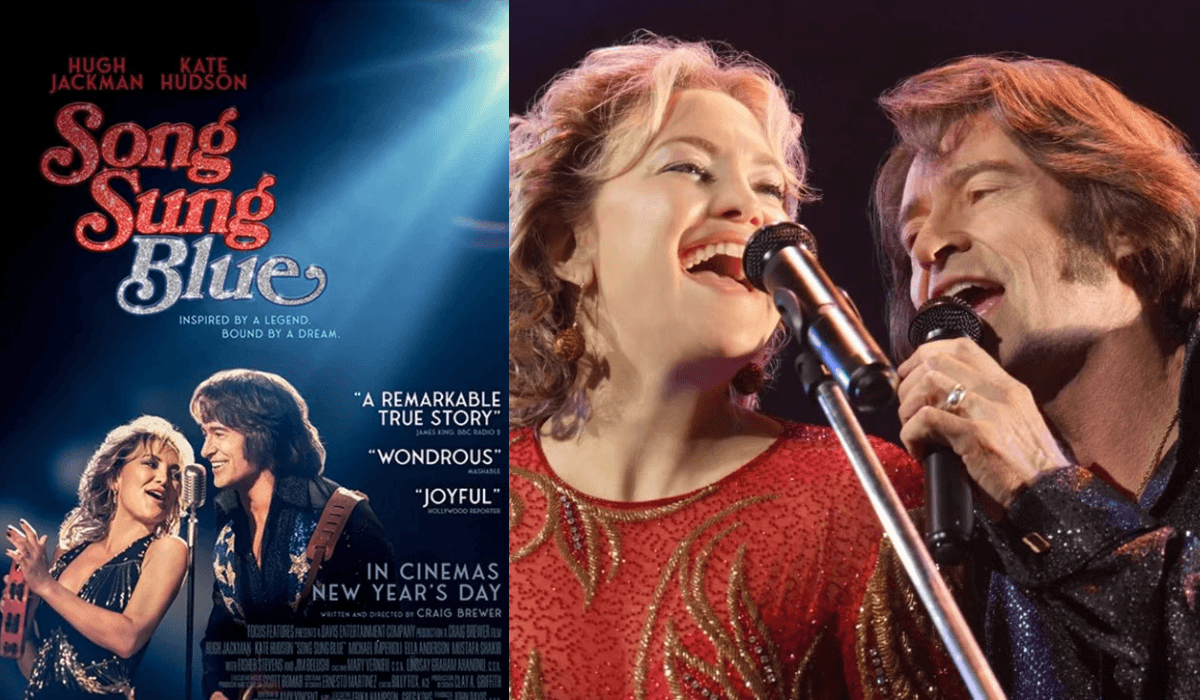
Hugh Jackman wears dirty fingernails and a missing tooth. Kate Hudson works hard to look drab. Together they portray Lightning and Thunder, a husband-and-wife Neil Diamond tribute act from Milwaukee whose grinding poverty and medical disasters were documented in a 2008 film.
Critics are split on whether the new dramatized Song Sung Blue honors or exploits that story. But the real question nobody wants to ask is simpler: why did Hollywood feel compelled to remake a perfectly good documentary about struggling tribute performers into a star-studded melodrama that fundamentally misunderstands what made the original compelling?
When Documentary Becomes Drama Becomes Something Else Entirely
Greg Kohs's 2008 documentary Song Sung Blue captured Mike and Claire Sardina at their most vulnerable. Foreclosure notices arrived regularly. Insurance companies denied coverage.
Mike faced amputation. Yet they kept showing up for gigs, pursuing that intoxicating showbiz high even as their lives crumbled. The power came from watching real people navigate real consequences without scriptwriters softening the blows or actors making suffering look photogenic.
Director Craig Brewer's 2025 adaptation starring Jackman and Hudson transforms that raw authenticity into something more digestible, more dramatic, more everything except more honest. The film oscillates wildly between rom-com sweetness, working-class struggle porn, addiction melodrama, and holiday sing-along.
Brewer seems uncertain whether he's making a quirky love story, a tragic biopic, or an ironic deconstruction of tribute act culture. The result satisfies none of these ambitions while hitting every predictable beat audiences expect from Hollywood biopics.
Critics who panned the film describe Jackman clutching his chest more times than Redd Foxx on Sanford and Son, with heart attacks occurring at dramatically convenient moments. They note an absurd scene where his stepdaughter defibrillates him in a hospital room. One reviewer demanded proof these events actually happened because they seem too contrived for reality. The tragedy is that we have proof. There's a documentary showing what actually happened. And it's dramatically different from this manufactured version.
The Fundamental Disrespect of Making Real Lives More Dramatic
Here's the uncomfortable truth: when Hollywood adapts documentaries about working-class strivers, it rarely trusts that their actual lives are interesting enough. The instinct is always to heighten, dramatize, and impose narrative arcs that real life stubbornly refuses to provide. A couple struggling to pay bills while pursuing their passion isn't enough. We need addiction relapses, medical emergencies timed for maximum impact, and climactic concerts that strain credulity.
This approach fundamentally disrespects the original subjects. It suggests their real story lacks sufficient drama, that audiences won't engage without manufactured stakes and Hollywood polish. Mike and Claire Sardina's actual lives, with all their mundane indignities and small triumphs, apparently weren't cinematic enough. They needed to be transformed into archetypes, their messy reality smoothed into familiar beats.
The documentary worked precisely because it avoided these tropes. It showed two people who loved performing, loved each other, and kept going despite circumstances that would justify quitting. Their dignity came from persistence in the face of ordinary hardship, not from overcoming melodramatic obstacles. By dramatizing their story, Brewer and company stripped away exactly what made it meaningful.
When A-List Stars Play Down-on-Their-Luck Performers
Multiple critics noted that Jackman and Hudson are "slumming" in these roles, Oscar-bait performances where attractive celebrities make themselves ugly in pursuit of awards recognition. Jackman's dirty fingernails and missing tooth. Hudson working hard to appear drab. These calculated choices to look worse signal to audiences and Academy voters: see how committed I am to the craft, how willing to sacrifice vanity for authenticity.
But this approach backfires spectacularly. Real people experiencing poverty don't perform their poverty. They live it. The difference between someone actually struggling and an A-list actor cosplaying struggle is palpable, no matter how committed the performance. When Jackman walks around in sagging underwear, we're watching Hugh Jackman pretending to be down-and-out, not witnessing genuine hardship.
The casting itself reveals Hollywood's priorities. If you genuinely wanted to tell the Sardinas' story authentically, you'd cast character actors audiences don't recognize, people who could disappear into the roles. You'd prioritize emotional truth over star power. Instead, Song Sung Blue casts two of Hollywood's most bankable performers, ensuring audiences will never forget they're watching celebrities play-acting poverty.
This isn't entirely Jackman and Hudson's fault. Both are skilled performers doing what the script demands. But their very presence undermines the film's supposed authenticity. We're constantly aware we're watching a performance about performers, layers of artifice stacked so high the actual human beings at the story's center disappear entirely.
The Tribute Act Problem Nobody Wants to Address
The film faces an almost philosophical challenge: how do you make a movie about tribute performers without becoming a tribute performance yourself? Song Sung Blue attempts meta-commentary, positioning itself as halfway between kitschy deconstruction and sincere crowdpleaser. Some critics praised this approach as earning points for originality. Others found it tonally incoherent, unable to commit to either irony or sincerity.
The core issue is that tribute acts exist in inherently strange cultural territory. They're performers creating art, but art explicitly designed to mimic someone else's art. They require genuine talent but talent deployed in service of reproduction rather than creation. They generate real emotional responses in audiences, but responses to borrowed material and familiar melodies rather than original expression.
Mike Sardina insisted throughout his life that he wasn't impersonating Neil Diamond, he was "interpreting" him. The distinction matters to tribute performers, suggesting artistry beyond mere mimicry. But does it matter to audiences? Do crowds at dive bars and casinos care whether Lightning is interpreting or impersonating when they request the same five Diamond hits?
The film occasionally gestures toward these questions without really grappling with them. A scene where Mike desperately wants to open shows with the obscure "Soolaimon" while audiences demand "Sweet Caroline" could have explored tensions between artistic ambition and commercial necessity. Instead it plays as running gag, Mike's dead-serious earnestness making the joke funnier without ever examining what the joke reveals.
What Gets Lost in Translation From Doc to Drama
The original documentary worked because Kohs had time to let moments breathe, to show the grinding nature of financial struggle, to capture small interactions revealing character. Documentary allows for ambiguity, for subjects who contradict themselves, for stories without neat resolutions. The Sardinas could be simultaneously admirable and frustrating, their choices understandable and baffling.
Brewer's dramatized version runs 133 minutes but somehow feels rushed. Critics note he speeds through tragic and life-changing events far too quickly for a film this long. The runtime gets filled with 20-plus song performances, elaborate staging, and manufactured drama rather than the patient character development that might help audiences understand these people.
This reveals a fundamental tension in adapting documentaries. The source material's power often comes from what's captured rather than constructed, from observing real people being themselves rather than directing actors to embody them. When you adapt that material into narrative fiction, you inevitably impose structure, motivation, and meaning that may not have existed originally. You make choices documentary subjects never would.
The best documentary adaptations recognize this problem and find creative solutions. They use the doc as inspiration rather than blueprint, understanding that different mediums require different approaches. Song Sung Blue tries to have it both ways, aping visual signatures from the documentary while constructing Hollywood narrative around them. The result feels like karaoke, as one critic aptly described it, hitting the notes without understanding the song.
The Holiday Release Strategy Nobody Understands
Focus Features is releasing Song Sung Blue on Christmas Day, positioning it as feel-good holiday counter-programming. This makes strategic sense given the musical numbers and inspirational tone. But it also reveals how thoroughly Hollywood misread the source material.
The documentary wasn't feel-good. It was often heartbreaking, showing the human cost of chasing dreams that never quite materialize. The Sardinas persisted not because persistence guaranteed success but because they couldn't imagine stopping. That's not inspirational in the Hollywood sense. It's something more complicated, sadder, more authentic to how most people actually live.
By repackaging their story as holiday uplift, complete with sunny performances and melodramatic redemption arcs, the film transforms their reality into something more palatable and less true. Audiences will leave theaters feeling good about Lightning and Thunder without understanding the actual desperation that drove the real Mike and Claire. The Christmas release date becomes one more way the film papers over uncomfortable truths in favor of seasonal cheer.
What We Actually Want From Real-Life Stories
The biopic genre faces a credibility crisis. After years of films about musicians wrestling with their art, audiences are growing weary of familiar beats. Struggling artist faces adversity. Overcomes obstacles through determination. Achieves success despite doubters. The formula has calcified into self-parody.
Song Sung Blue could have broken this mold by honestly depicting what tribute performance means for working-class artists. It could have explored why Mike and Claire chose this particular form of expression, what Diamond's music meant to them beyond commercial viability, how performing for indifferent casino crowds felt after years of believing they deserved better. Instead it hits every expected biopic note while adding Neil Diamond covers.
What makes this particularly frustrating is that we know better stories exist. The documentary proved it. Kohs captured something genuine about these people, their relationship, their dreams, their compromises. That film exists for anyone interested in the real Lightning and Thunder. The dramatized version serves primarily as vehicle for stars, awards consideration, and holiday box office rather than deeper exploration of its subjects' lives.
The Question of Artistic Integrity
Perhaps the most damning criticism of Song Sung Blue is that it becomes what it depicts: a tribute act. Just as Lightning and Thunder performed someone else's songs in someone else's style, Brewer's film performs Kohs's documentary in Hollywood's house style. It's not reinterpretation but reproduction, hitting familiar beats and reaching predictable conclusions.
The irony seems lost on filmmakers. They've created a movie about tribute performers that is itself an inferior tribute to better source material. Like Lightning opening shows with "Soolaimon" when audiences want "Sweet Caroline," they've given us manufactured drama when we wanted authentic struggle, star power when we wanted real people, Hollywood polish when we wanted rough edges.
Mike Sardina would probably appreciate this irony. He spent his career insisting he wasn't merely impersonating Diamond, that his performances had artistic validity beyond mimicry. Song Sung Blue makes the same claim about adapting his life story while doing exactly what Mike claimed not to do: copying without truly understanding.
Why This Matters Beyond One Failed Adaptation
Song Sung Blue represents a broader pattern of Hollywood's relationship with working-class stories. Studios love underdog narratives about strivers pursuing impossible dreams. But they love them sanitized, dramatized, and performed by beautiful people temporarily ugly for a role. The actual messiness of working-class life, the indignities that aren't dramatically satisfying, the persistence that never pays off, these get smoothed away.
This creates a distorted picture of struggle that reinforces harmful narratives. Audiences absorb messages about dreams always coming true for those who work hard enough, about adversity building character, about redemption always being available. Real life stubbornly refuses to confirm these stories. Most tribute acts never get documentaries made about them. Most people chasing dreams end up broke and broken. The survivors are exceptions, not rules.
The documentary honored that reality by showing the Sardinas continuing to perform regardless of outcomes. It suggested meaning could exist in the pursuit itself rather than achievement. The dramatized film can't resist Hollywood's compulsion to impose satisfying arcs and meaningful resolutions. By doing so, it betrays both its subjects and its audience.
The Verdict Nobody Wants to Hear
Song Sung Blue didn't need to exist. The documentary already told this story well. If Brewer wanted to explore tribute act culture or working-class artistic ambition, he could have created fictional characters unconstrained by real people's lives. Instead we have this confused hybrid, neither fish nor fowl, offering nothing the documentary didn't do better while adding layers of artifice that obscure rather than illuminate.
The film will likely make modest money, earn Hudson some awards consideration, and be forgotten within months. The Sardinas' actual story will remain in Kohs's documentary, available for anyone seeking authentic portrayal of struggling artists. The only real question is why Hollywood felt compelled to dilute that authenticity with star power and manufactured drama.
In trying to honor Mike and Claire's story, Song Sung Blue does exactly what they spent careers insisting they didn't do: it impersonates rather than interprets, copying superficial details while missing the substance that made the original meaningful. Perhaps that's the ultimate tribute, inadvertently becoming what you depict. But it's not a tribute anyone asked for, and certainly not one the Sardinas deserved.