The $600 LEGO Minas Tirith Proves Adult Collectors Have Lost The Plot

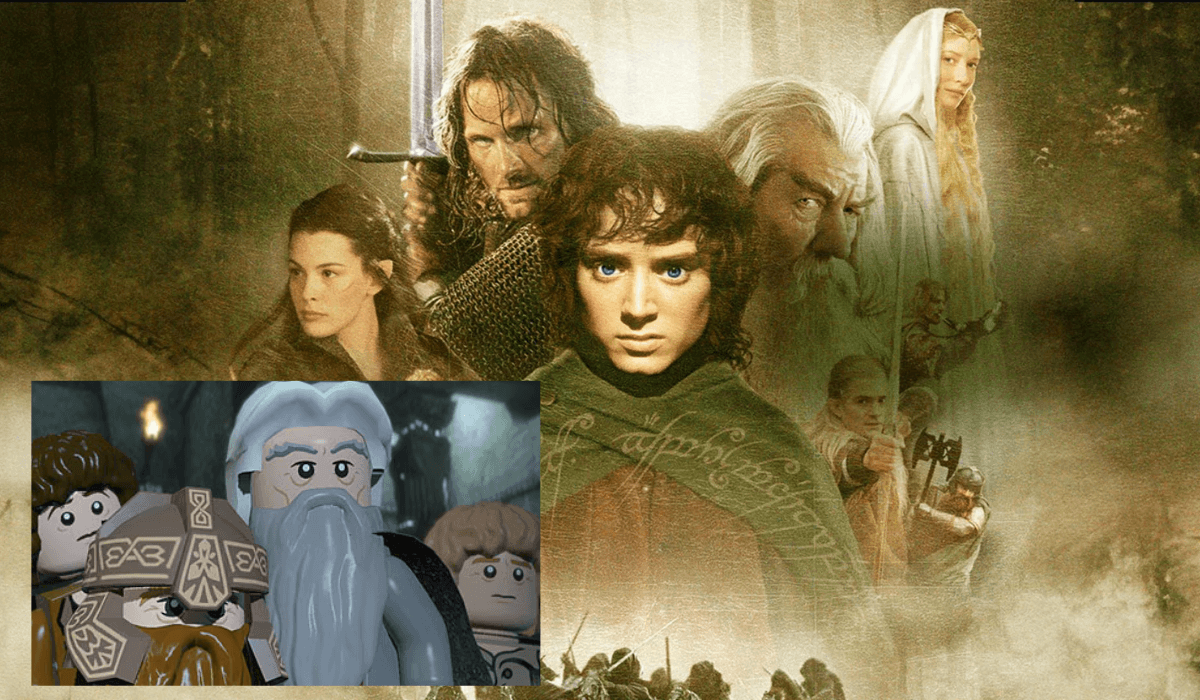
LEGO just announced an 8,278-piece Minas Tirith set that costs more than some people's rent, and the internet is celebrating like this is wonderful news rather than evidence of how completely unhinged the adult collectibles market has become. Six hundred dollars for plastic bricks.
Not even functional plastic bricks that do anything. Just bricks you stack according to instructions to create a model of a fictional city from a 20-year-old film trilogy. And people are calling this a "dream come true" instead of what it actually is: late-stage capitalism finding new ways to extract money from nostalgia-addicted adults who've turned childhood toys into status symbols.
When Toys Stopped Being for Children
Let me be clear from the start: I'm not against adults having hobbies. Build LEGO sets if they bring you joy. Collect action figures. Display models on your shelves. But somewhere along the way, companies like LEGO realized they could charge obscene prices for "adult collector" sets, slap an 18+ rating on them, and adults would not only pay but defend the pricing as justified. This Minas Tirith set represents everything wrong with that dynamic.
LEGO's original purpose was giving children tools for creative play. Open-ended building that encouraged imagination and problem-solving. Kids could dump out a bin of bricks and build whatever they wanted. Then LEGO discovered licensed sets with specific instructions generated more profit. Then they discovered "collector" sets with absurd piece counts could command premium prices from adults with disposable income. Now we've arrived at $600 for a single set, and people act like this is normal.
The Minas Tirith set isn't even that impressive from a value perspective. At roughly 7 cents per piece, you're paying more per brick than most standard sets. The "value" comes from scale and cultural cache, not from any unique building experience or particularly innovative design. You're paying for the Lord of the Rings license, for the bragging rights of owning one of LEGO's largest sets, for the Instagram photos proving you have $600 to spend on plastic.
I grew up with LEGO. I built castles and spaceships with whatever bricks I had. The limitation of not having infinite pieces forced creativity. Now LEGO markets these massive licensed sets as the pinnacle of the building experience, when they're actually the opposite. You follow instructions. You place specific bricks in specific spots. You end up with a model that looks exactly like every other person's model. There's no creativity involved beyond the initial design, which you didn't do.
The Collector Trap We've Fallen Into
What bothers me most about the Minas Tirith announcement isn't the price itself. It's how people have internalized that this price is acceptable, even desirable. Collectors discuss whether they can "afford" the set, whether they have "room" for it, whether it's "worth it" compared to other expensive sets. Nobody questions whether any plastic toy should cost $600 in the first place.
LEGO has systematically conditioned adult collectors to accept ever-increasing prices by creating artificial scarcity and FOMO. They release massive licensed sets knowing superfans will buy regardless of cost. They retire sets after a few years, creating secondary markets where prices skyrocket. They cultivate online communities where people compete over collection size and comprehensiveness. It's brilliant marketing that's created an ecosystem where adults willingly spend thousands on toys they'll never play with.
The Minas Tirith set joins a growing roster of absurdly expensive LEGO sets: the $800 Titanic, the $850 Millennium Falcon, the $600 Rivendell. Each release pushes boundaries higher, testing how much collectors will pay. And collectors keep paying, justifying each purchase as "investment" or "art" or "passion" rather than admitting they're being played by a toy company that's realized adults are easier marks than children.
I'm not immune to this, by the way. I've spent money on collectibles I didn't need. I understand the appeal of owning physical representations of beloved fictional worlds. But at some point we need to acknowledge that corporations are exploiting our nostalgia and fandoms for profit. They're not creating these sets because they love Lord of the Rings. They're creating them because market research shows people will pay these prices.
What Six Hundred Dollars Could Actually Buy
Let's put $600 in perspective. That's a decent used car's monthly payment. That's months of groceries for some families. That's a plane ticket for a real vacation instead of a plastic representation of a fictional location. For $600, you could buy actual memorable experiences rather than something that sits on a shelf gathering dust.
I know the counterargument: people can spend their money however they want. If someone values a LEGO set more than a vacation, that's their choice. Fair enough. But I think we should at least be honest about what we're choosing. We're choosing material accumulation over experience. We're choosing brand loyalty over value. We're choosing to signal our fandom and disposable income through consumption rather than actually engaging with the art we claim to love.
You know what would make me respect the $600 LEGO Minas Tirith? If building it was actually challenging or creative. If the instructions encouraged experimentation rather than slavish recreation. If the end result was something functional rather than purely decorative. But it's none of those things. It's an expensive puzzle you solve once, then display as proof you completed it.
The people who'll buy this set, myself possibly included if I'm being completely honest, aren't buying a toy or even a building experience. We're buying membership in an exclusive club of people who can afford $600 LEGO sets. We're buying the right to post photos with captions like "Finally completed my Middle-earth collection!" We're buying the validation that comes from other collectors admiring our purchases. That's not a hobby. That's consumerism with extra steps.
The Nostalgia Tax We Keep Paying
LEGO's Lord of the Rings sets exemplify what I call the nostalgia tax: premium prices charged for products that tap into our emotional connections to beloved franchises. The Minas Tirith set isn't expensive because it's particularly innovative or difficult to produce. It's expensive because LEGO knows Lord of the Rings fans will pay anything to own physical representations of iconic locations.
This extends beyond LEGO to the entire adult collectibles market. Funko Pops, limited edition action figures, replica props, all of it trades on the same principle. Create officially licensed merchandise for properties adults love, price it higher than similar unlicensed products, watch the money roll in. We're all paying taxes on our own nostalgia, and companies are getting rich from it.
What makes me particularly cynical about the Minas Tirith set is the timing. LEGO has been systematically releasing massive Lord of the Rings locations: Rivendell, Barad-dûr, the Shire, now Minas Tirith. Each set costs hundreds of dollars. Completing the "collection" requires spending thousands. This isn't about creating one beautiful set for fans. It's about establishing a product line that requires continuous purchases to feel "complete."
I guarantee that after Minas Tirith, LEGO will release other iconic locations. Orthanc. Helm's Deep. Lothlorien. Each will cost hundreds more. Each will be marketed as "essential" for serious collectors. And people will buy them all, myself possibly included, because we've been conditioned to believe that true fandom requires comprehensive collections rather than selective appreciation.
My Complicated Relationship With This Madness
Here's where I admit my hypocrisy: I'll probably buy the Minas Tirith set. Not at launch, maybe when it goes on sale or appears on the secondary market. But I'll likely buy it despite everything I've said here. Because I love Lord of the Rings. Because I enjoy building LEGO sets. Because part of me wants to display that massive white city on a shelf where visitors can see it and know I'm the kind of person who owns massive LEGO sets.
This self-awareness doesn't absolve me. If anything, it makes my complicity worse. I know I'm being manipulated. I know $600 for plastic bricks is absurd. I know that buying this set feeds into the exact system I'm critiquing. But I'll probably do it anyway because the pull of nostalgia and collection completion is stronger than my principles.
What I won't do is pretend this is normal or healthy. I won't celebrate LEGO for "giving fans what they want" when what they're really doing is finding the ceiling of what fans will pay. I won't defend the price as "reasonable for the piece count" when similar piece counts in non-licensed sets cost half as much. I won't act like adult collectors are sophisticated consumers making wise investments rather than people trapped in expensive hobbies designed to extract maximum profit.
The correct response to the $600 LEGO Minas Tirith isn't excitement. It's horror. Horror that we've normalized spending car payment money on single toys. Horror that companies keep pushing prices higher and we keep justifying it. Horror that we've turned childhood play into adult status competition mediated through consumption.
What This Reveals About Adult Collectors
The enthusiastic response to the Minas Tirith announcement reveals something uncomfortable about adult collector culture. We've created communities where spending obscene amounts on collectibles is praised rather than questioned. Where the size and comprehensiveness of your collection determines your status. Where "investment" becomes code for hoarding expensive items that rarely appreciate beyond their initial cost.
These communities aren't inherently bad. They connect people with shared interests. They create spaces for discussion and appreciation. But they also normalize spending patterns that are, frankly, pretty dysfunctional. When $600 for a single LEGO set is considered reasonable or even a good deal, we've lost perspective on value and priority.
I see this in online LEGO forums where people post their collections worth thousands or tens of thousands of dollars. Where newcomers ask for advice on which expensive sets to buy first. Where the conversation focuses on acquisition rather than creation, on completing checklists rather than building freely. The hobby has been gamified, turned into a competition nobody can win because there's always another set to buy.
What would healthier adult LEGO culture look like? Probably more focus on original creations rather than following instructions. More emphasis on the building process rather than the display result. More discussion about the actual play value and creative opportunities rather than investment potential and rarity. Less concern about completing official collections and more joy in building whatever brings personal satisfaction.
But that culture wouldn't be as profitable for LEGO, which is why they've cultivated the current one instead.
The Future We're Building, Brick by Brick
If the $600 Minas Tirith set sells well, which it absolutely will, LEGO will keep pushing. Next year we'll see $700 sets. Then $800. Eventually we'll hit four figures for a single set, and people will justify that too. Because once you've normalized $600, what's another $200? Once you've accepted that adult collector sets deserve premium pricing, there's no ceiling except what the market will bear.
This pattern extends beyond LEGO. Every collectibles company is watching to see what prices adults will tolerate. Every nostalgic franchise is being mined for expensive merchandise. We're building a future where adult hobbies increasingly mean expensive consumption rather than creative engagement. Where the barrier to entry for interests keeps rising. Where people without disposable income get priced out of communities they once belonged to.
I don't have solutions. I'm part of the problem. But I think we should at least be honest about what's happening. LEGO isn't serving fans with these expensive sets. They're serving shareholders by finding new revenue streams from adult collectors with money to spare. The sets are beautiful, the marketing is effective, and the result is thousands of adults spending money they could use elsewhere on plastic bricks they'll build once and never touch again.
When the Minas Tirith set releases in June 2026, I'll be watching the unboxing videos and build reviews. I'll be admiring the completed models people post online. I'll be calculating whether I can justify the purchase despite knowing I shouldn't. Because that's the trap we're all in: knowing better but wanting anyway. Recognizing exploitation but craving the product being sold. Understanding we're marks but unable to walk away from the con.
And LEGO will keep raising prices because we keep paying them. That's not the companies' fault. That's ours. We've told them through our wallets that we'll pay anything for plastic nostalgia, and they've listened. The $600 Minas Tirith is just the beginning. Welcome to the future of adult collectibles. Hope you've got deep pockets.