The Immigrant Daughter Who Built Netflix's Biggest Film Ever From Fear And Pride

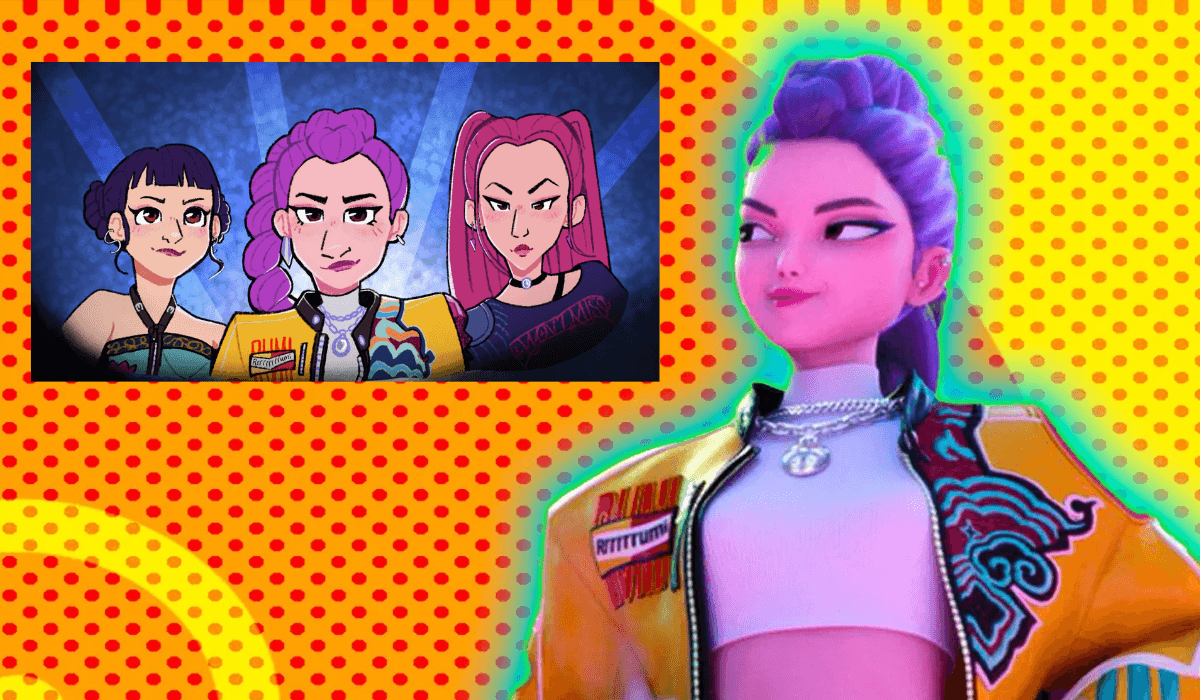
The path from hiding your cultural identity to creating a global phenomenon rarely follows a straight line. For Maggie Kang, that journey took her from concealing her K-pop albums in 1990s Toronto to directing the most-watched original film in Netflix history.
Her animated musical fantasy KPop Demon Hunters just crossed 500 million views globally, a milestone no other Netflix film has achieved. The number itself is staggering, but more remarkable is how this success arrived. Without major celebrities, established franchises, or heavy marketing, the film succeeded through something Hollywood often undervalues: authentic cultural storytelling.
The Origins Of An Unexpected Hit
In 2018, Kang was working as a story artist at Sony Pictures Animation. She had spent more than a decade contributing to major projects like Puss in Boots, Rise of the Guardians, and The Lego Ninjago Movie. Despite this experience, she had never seen Hollywood animation tell a story rooted entirely in Korean culture.
Born in Seoul and raised in Toronto from age five, Kang understood the textures of Korean mythology, shamanism, and contemporary pop culture. When producer Aron Warner asked her to pitch ideas, she quickly sketched several concepts. One featured Korean demons. Another centered on what she called "weird girls." She combined them, then realized the concept needed another distinctly Korean element.
K-pop entered her mind almost randomly. She wasn't a superfan of any particular group, but she recognized that Korean pop music had achieved global cool status in ways Korean culture never enjoyed during her childhood. The combination felt strange and exciting. She pitched it the next day: Korean demon hunters who are also K-pop stars.
Warner loved it immediately and paired her with Chris Appelhans, an animation veteran who had directed Wish Dragon. Both believed deeply in music's power to transform and heal. They wanted to make animation that appealed to broader audiences, frustrated by Hollywood's tendency to relegate the medium to children's entertainment only.
Sony Pictures Animation initially supported the project but eventually passed, deeming it too culturally specific and risky. Netflix saw exactly what Sony missed. Fresh off Squid Game's global success and actively seeking culturally diverse content, Netflix greenlit the project as part of their 2021 agreement with Sony, paying 125 million dollars to cover both the budget and a 25 percent premium.
Wrestling With Cultural Authenticity
Once Netflix committed, Kang faced an identity crisis. KPop Demon Hunters would become the first Hollywood animated film rooted 100 percent in Korean culture. That meant it would represent Korean culture on a global scale to audiences who might only know Korea through barbecue and boy bands.
The responsibility felt crushing. Kang questioned whether she was "Korean enough" for this task. She had left Seoul at age five. She grew up attending Canadian schools, consuming North American media alongside Korean dramas. Her Korean was functional but not fluent. She existed in that liminal immigrant space, feeling fully neither Korean nor Canadian.
Her father, a passionate film collector with over 50,000 titles on VHS, DVD, and Blu-ray who has watched two to three films weekly for over 35 years, provided crucial perspective. He reminded her that as a director, her job is telling her story, not anyone else's. Her bicultural background wasn't a weakness; it was her unique lens and voice.
Embracing that insight, Kang committed to making the film as authentically Korean as possible. In 2022, she traveled to Korea with Appelhans and several department heads. They visited historic monuments, toured folk villages, explored Seoul's modern cityscapes. She acquired authentic historical Korean weapons, believing that physically experiencing objects helps represent them better.
The research extended deeply into Korean shamanism and demonology. Kang discovered that mudang, or Korean shamans, have used music to ward off evil for hundreds of years. This historical connection grounded the film's central premise: demon hunters using music as their weapon. K-pop stars fighting demons wasn't just a mashup; it connected to centuries of Korean spiritual practice.
Building A New Genre Through Denial
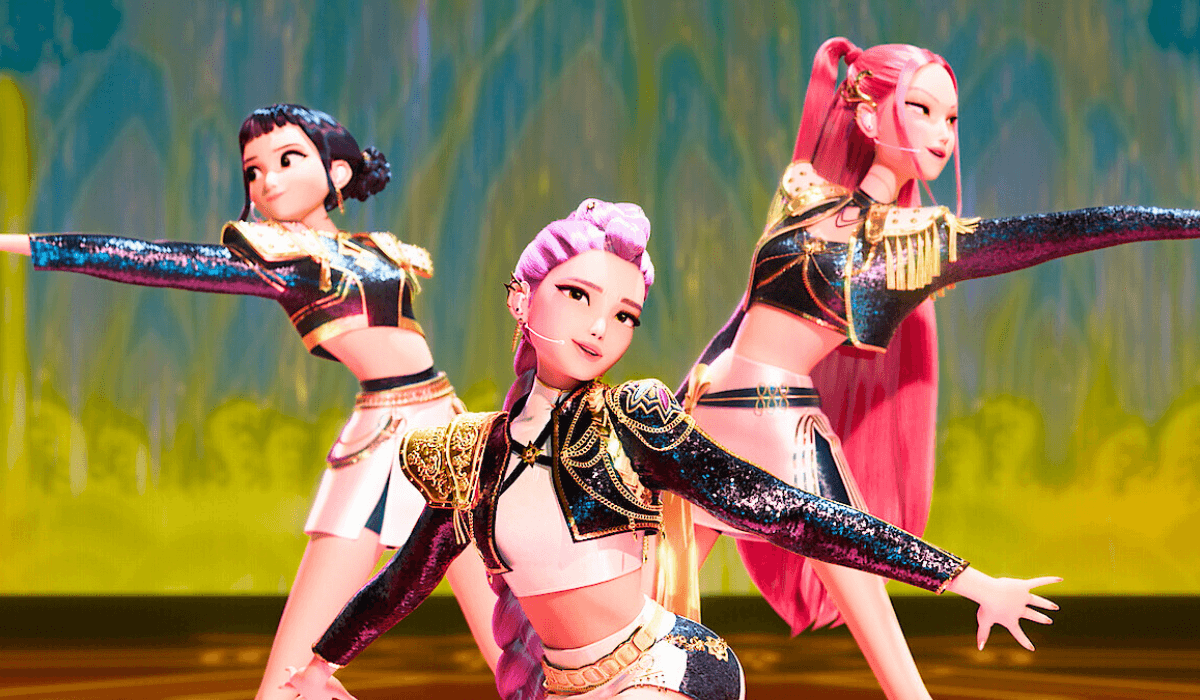
For years during development, Kang and Appelhans insisted they weren't making a musical. They called it a concert film, an action movie with music, anything but a musical. This denial seems absurd given that the film features multiple elaborate song and dance numbers that advance the plot and reveal character. It's clearly a musical.
But their denial served a purpose. Traditional musicals, especially animated ones, follow established formulas where characters burst into song to express feelings they can't speak. The music stops the action rather than propelling it. Kang and Appelhans wanted something different: music that felt like K-pop concerts, where energy crosses cultural barriers and creates communal euphoria.
The animation style reflects this refusal of convention. The film shifts visual approaches constantly, from standard CG animation to chibi-style comedy beats to anime fight sequences. Every stylistic shift serves a specific story moment rather than maintaining visual consistency for its own sake.
This philosophy drew from diverse influences. Kang cited The Simpsons, Looney Tunes, and Charlie Chaplin as major comedic inspirations. These works shift tone rapidly, moving from silly to emotional without apology. Korean filmmaker Bong Joon-ho provided another model; his ability to blend genres within single films deeply resonates with Kang. KPop Demon Hunters attempts similar tonal complexity within an animated musical framework.
The music required assembling an exceptional team of K-pop producers and performers. The film features vocals from EJAE, Audrey Nuna, Rei Ami, Andrew Choi, Kevin Woo, samUIL Lee, Neckwav, and Broadway legend Lea Salonga. Producers include TEDDY from BLACKPINK's production team, an unprecedented collaboration between Hollywood animation and actual K-pop industry talent.
The lead single "Takedown" features members from TWICE, one of K-pop's biggest groups. This crossover proved crucial, lending the film credibility within K-pop fan communities while introducing those fans to animation they might otherwise never watch.
The Unexpected Launch That Changed Everything
KPop Demon Hunters premiered on Netflix on June 20, 2025. Kang remembers checking Twitter at 2 AM Los Angeles time during the first week, scrolling through reactions and videos. By day five or six, the response was overwhelming. People were posting song covers, attempting the difficult high notes, creating fan art, writing essays about the themes. The momentum felt instantaneous.
What happened next shocked even Netflix's analytics team. The film accumulated over 325 million views in its first 91 days, obliterating the previous record held by Red Notice at 230.9 million views. It spent 27 consecutive weeks in Netflix's Global Top 10, the longest run ever for an English language film.
The soundtrack achieved parallel success. It debuted at number eight on the Billboard 200, the highest debut for any 2025 soundtrack. It became the first soundtrack ever to place four songs simultaneously in the Billboard Hot 100 top ten. "Golden," the film's breakout single, spent eight weeks at number one on the Billboard Hot 100 and accumulated 1.2 billion streams on Spotify alone.
These numbers tell a story about cultural hunger. Audiences didn't just watch KPop Demon Hunters once out of curiosity. They returned repeatedly, rewatching favorite sequences, learning choreography, memorizing lyrics in Korean despite not speaking the language. Parents reported children demanding to watch it multiple times daily. The film created genuine fandom rather than passive viewership.
The Theatrical Gamble That Paid Off
Netflix typically refuses theatrical releases, believing they cannibalize streaming performance. For KPop Demon Hunters, they made an exception. A sing-along version opened in 1,700 theaters on August 23, 2025, shattering Netflix's previous theatrical record of 698 theaters for Glass Onion: A Knives Out Mystery.
Industry projections suggested an opening weekend between 18 to 20 million dollars. The film delivered an estimated 18 to 19.2 million dollars (Netflix did not officially report exact figures) and became the first Netflix film ever to top the box office. Audiences showed up despite having unlimited streaming access at home because they wanted the communal theatrical experience and the chance to sing along with other fans in packed auditoriums.
That theatrical success contributed to Netflix reporting a 17 percent revenue jump in Q3 2025, with net income of 2.5 billion dollars. Ted Sarandos, Netflix's co-CEO, credited the streaming-first strategy during an October earnings call. Releasing the film on Netflix first allowed it to build momentum, creating demand for the theatrical experience rather than competing with it.
The sequel was announced in November 2025, scheduled for 2029 release with Kang and Appelhans returning. While Netflix did not report official theatrical grosses, industry estimates suggest the limited theatrical releases generated approximately 18 to 24 million dollars, proving that streaming success can create theatrical demand rather than eliminate it.
What 500 Million Views Actually Means
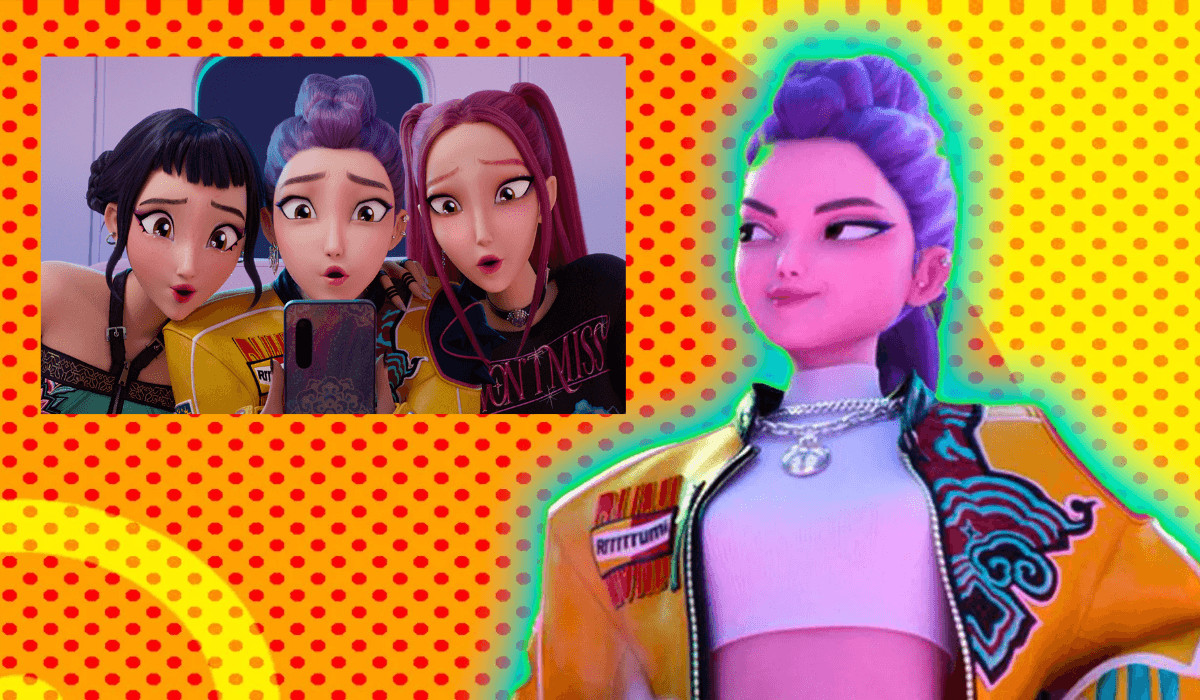
The 500 million view milestone announced this week places KPop Demon Hunters in unprecedented territory. Netflix series like Stranger Things, Squid Game, Wednesday, and Dahmer have reached or exceeded 500 million views, but films almost never sustain viewership long enough to hit that threshold. Red Notice plateaued at 230.9 million views. KPop Demon Hunters more than doubled that and continues growing.
To put this in perspective: if every view represented a unique viewer, roughly one in every fifteen people on Earth has watched it. Obviously many people watched multiple times, but the scale remains staggering. This isn't just a hit; it's a phenomenon on par with the biggest streaming series ever produced.
The longevity surprises more than the peak. Most films experience sharp viewership decline after the first month. KPop Demon Hunters maintained consistency throughout summer 2025, remained in the Top 10 through fall, and re-entered the Top 3 most-watched English language films this week, six months after release.
The awards recognition reflects sustained momentum. The film earned nominations for Best Animated Feature at the Golden Globes and Critics Choice Awards. The song "Golden" is shortlisted for Best Original Song at the Academy Awards and nominated for Song of the Year at the Grammys, competing against major pop stars.
TIME magazine named KPop Demon Hunters its 2025 Breakthrough of the Year. The RIAA certified the soundtrack double Platinum. Kevin Woo, who voices Mystery Saja in the film, jumped from 10,000 followers before release to over 30 million followers after, a 3,000 percent increase driven entirely by the film's popularity.
The Cultural Impact Beyond Metrics
Numbers quantify success but don't fully capture cultural impact. KPop Demon Hunters has inspired countless fan works, from covers and choreography videos to elaborate fan art and cosplay. Multiple artists have publicly stated the film reignited creativity they thought they'd lost. The enthusiasm feels organic rather than manufactured.
The film's messages about female friendship, self-acceptance, and overcoming shame resonate across demographics. While rooted specifically in Korean culture, the themes translate universally. The three main characters each struggle with internal demons alongside the literal supernatural threats they fight. Their journey toward accepting themselves and supporting each other provides emotional grounding.
Kang intentionally made Rumi, the lead character, a different kind of female superhero. She's silly, unafraid to look stupid, loves eating, constantly tries to be funny. She's not the typical slender, serious, sexualized heroine common in action animation. That representation matters to audiences tired of limited archetypes for animated women.
The film has also expanded K-pop's reach. Many viewers who had never engaged with K-pop became fans through the soundtrack, discovering Korean music production quality, sophisticated choreography, and multilingual lyrics. KPop Demon Hunters functioned as a gateway to an entire industry they might otherwise never have explored.
Conversely, existing K-pop fans embraced the film as celebration of the culture they love. After years of K-pop being dismissed or mocked by Western media, seeing it treated with respect in a major Hollywood production felt validating. The film didn't condescend or explain K-pop for outsiders; it assumed familiarity and moved forward.
Why This Succeeded When Others Failed
Animation executives have spent months trying to understand what made KPop Demon Hunters work so they can replicate it. They're missing the point. You can't reverse engineer authentic cultural expression. You can't manufacture seven years of passionate development. You can't strategize your way to the kind of genuine emotion that makes people watch a film multiple times and memorize songs in languages they don't speak.
Kang and Appelhans succeeded precisely because they made the film for themselves rather than for hypothetical audiences. They included everything they loved about animation, music, and Korean culture without worrying about whether it was too weird or too specific. They trusted that their enthusiasm would translate.
The film also benefited from being wildly underestimated. Netflix didn't give it a major marketing push because they didn't expect it to dominate. That lack of hype meant people discovered it organically, through word of mouth and social media rather than corporate advertising. The grassroots discovery created ownership. People felt like they found KPop Demon Hunters rather than having it sold to them.
The timing was perfect in ways nobody could have predicted. Korean culture has been ascendant globally for years, from Parasite winning Best Picture to Squid Game becoming Netflix's biggest series. June 2025 represented a specific inflection point where Korean cultural exports reached critical mass. KPop Demon Hunters caught that wave at exactly the right moment.
Most fundamentally, the film works because it's genuinely excellent. The animation is gorgeous, blending multiple styles seamlessly. The voice acting, both dialogue and singing, is exceptional. The writing balances comedy, action, and emotion without feeling schizophrenic. The songs are legitimately catchy, produced by industry professionals rather than songwriters approximating what they think K-pop sounds like.
What Comes Next For This Phenomenon
A sequel is confirmed for 2029, giving Kang and Appelhans four years to develop it. Netflix has announced licensing deals with Hasbro and Mattel to produce toys, games, and merchandise. The property is being treated as a franchise with long-term potential rather than a one-off success.
The fictional K-pop group HUNTR/X from the film performed at Snoop Dogg's Holiday Halftime Party during the NFL Christmas Day game on December 25, 2025. The performance was seen by millions of viewers, many of whom may not have watched the film yet, expanding the property's reach beyond Netflix's subscriber base into mainstream American sports culture.
The film's success has elevated Kang's status within Hollywood animation. She's now a proven director with the biggest Netflix original film ever to her credit. That gives her power to develop future projects, to champion other diverse voices, and to demonstrate that original intellectual property rooted in specific cultures can succeed commercially on a massive scale.
My Take: The Power Of Immigrant Stories
Honestly, what moves me most about this story is how Maggie Kang represents a particular immigrant experience. Being uprooted from your birth country as a child and raised between cultures creates specific anxieties about belonging and authenticity. You always feel slightly other, no matter where you are.
I've watched too many immigrant artists compromise their voices, sanding down cultural specificity to make their work more palatable to mainstream audiences. The pressure to assimilate, to not be too ethnic, to make yourself understandable to people with no knowledge of your culture destroys so much potential art before it even gets made.
Kang rejected that pressure completely. She made the most Korean film she could make, trusting that authenticity would resonate rather than alienate. She was absolutely right. The film's Korean specificity is precisely what makes it special. Audiences don't want homogenized content that could come from anywhere. They want stories rooted in specific places, specific cultures, specific voices.
Her admission about being scared to present her work also resonates deeply. Fear of judgment, of being told you're not good enough or authentic enough or commercial enough, that fear paralyzes so many creators. Kang reframes fear as evidence you're doing something original, something worth doing. If you're not scared, you're probably playing it safe, which means you're probably not creating anything that matters.
The seven-year development timeline demonstrates the reality of animation production and the importance of not rushing creative work. Kang and Appelhans had time to experiment, to fail, to discover what the film wanted to be. They weren't forced to hit arbitrary release dates. That patience shows in the final product's polish and cohesion.
I'm particularly struck by how the film empowers other creators. Multiple artists saying KPop Demon Hunters made them want to create again, that it sparked creativity they thought they'd lost, that matters immensely. Great art inspires more art. Kang has created something that makes people believe original ideas can still succeed, that you can make something deeply personal and watch it find a massive audience.
Building From Fear And Pride
Maggie Kang made the film she was scared to make, the film she questioned whether she was qualified to make, and it became the biggest Netflix original film in history. Five hundred million views. Awards nominations across categories. A cultural phenomenon that transcended its medium.
She achieved this not by following Hollywood formulas or playing it safe, but by trusting her instincts and her bicultural perspective. She made a film only she could make, rooted deeply in Korean culture while speaking universal emotional truths about friendship, identity, and self-acceptance. She created something new by refusing to fit into existing categories.
KPop Demon Hunters matters beyond its impressive numbers. It proves that original intellectual property can still break through in an industry dominated by established properties. It demonstrates that diverse voices telling specific cultural stories can find massive global audiences. It shows that animation can tackle adult themes while remaining accessible to younger viewers.
Most importantly, it establishes that immigrant stories, stories about existing between worlds, resonate across demographics and geographies. Kang created something beautiful from her particular experience of displacement and duality. She took the fear of not being Korean enough and the pride of being Korean at all and built a film that celebrates Korean culture while welcoming everyone into that celebration.
The sequel will arrive in 2029. Until then, KPop Demon Hunters stands as testament to what's possible when creators trust their voices, when platforms take risks on original ideas, and when audiences embrace stories from cultures beyond their own. Five hundred million views and counting. The immigrant daughter who was scared to present her work built the biggest film Netflix has ever released. That's the kind of success that changes everything for creators who come after her.