The Peaky Blinders Movie Proves We Can't Let Good Shows Stay Dead, Even When They Should
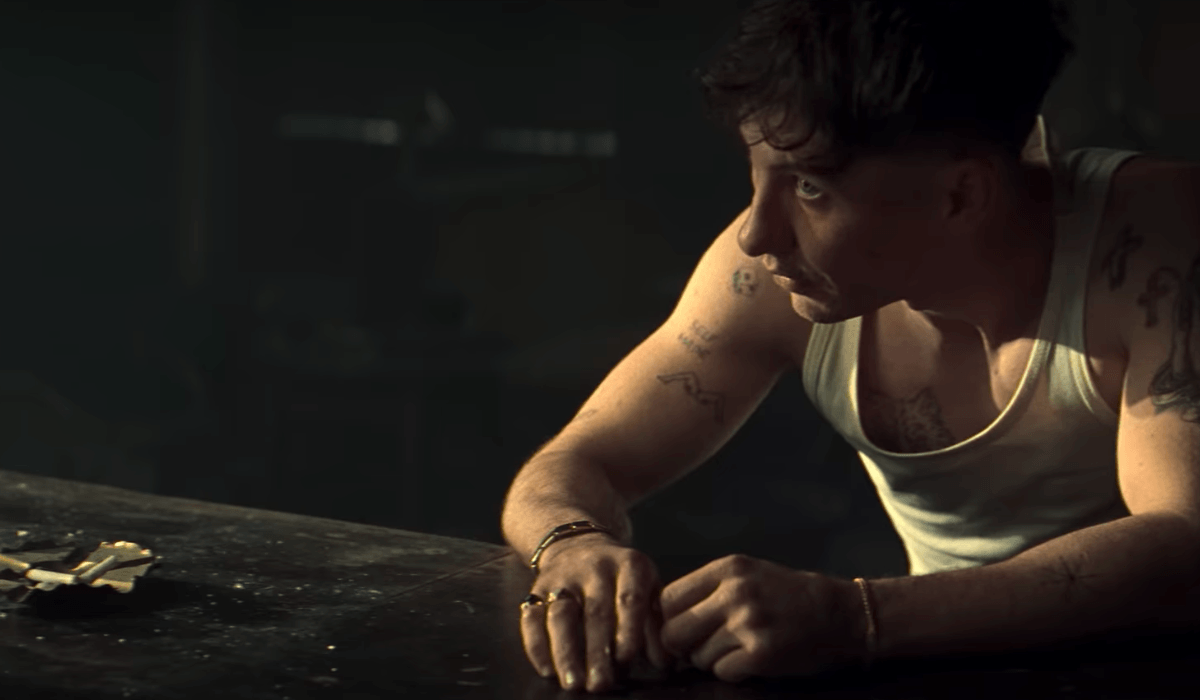
Tommy Shelby rode off into the sunset on a white horse, finally free from the machinations that consumed his life for six brutal seasons. The terminal brain tumor turned out to be a lie, one last enemy's attempt at psychological torture. He faked his death, abandoned his criminal empire, and disappeared into anonymity.
It was imperfect but honest, a rare ending that acknowledged some people simply need to walk away from the violence that defined them. Then Netflix announced Peaky Blinders: The Immortal Man, and that carefully crafted exit became just another fake-out in an industry that refuses to let anything stay finished.
When "This Is One for the Fans" Means "We Can't Resist the Money"
Cillian Murphy's statement about returning to Tommy Shelby carries the ritual phrases actors deploy when reviving roles they previously left behind. "It seems like Tommy Shelby wasn't finished with me," he told Netflix, adding that the film is "one for the fans." This framing positions the movie as inevitable, even noble, a gift to devoted viewers who deserve more time with characters they love.
But let's be honest about what this actually is: a commercial decision dressed in artistic language. Peaky Blinders concluded in 2022 with respectable closure. The show ran six seasons, told its story, and gave Tommy Shelby an ending that acknowledged both his crimes and his exhaustion.
Nobody needed more. The "fans" Murphy references certainly wanted more, the way fans always want more of things they love. But wanting and needing are different, and confusing the two is how we end up with endless sequels, reboots, and resurrections that dilute what made the original special.
Steven Knight promises an "explosive chapter" with "no holds barred" action, full-on Peaky Blinders at war. Set during World War II in 1940, the film drags Tommy back from self-imposed exile for "his most destructive reckoning yet." The synopsis suggests he'll face demons, confront his legacy, and potentially burn everything down. It sounds thrilling. It also sounds exactly like every other season finale's stakes raised higher, the formula that eventually exhausted viewers and made that white horse ending feel necessary.
The Immortal Man vs. The Man Who Needs to Die
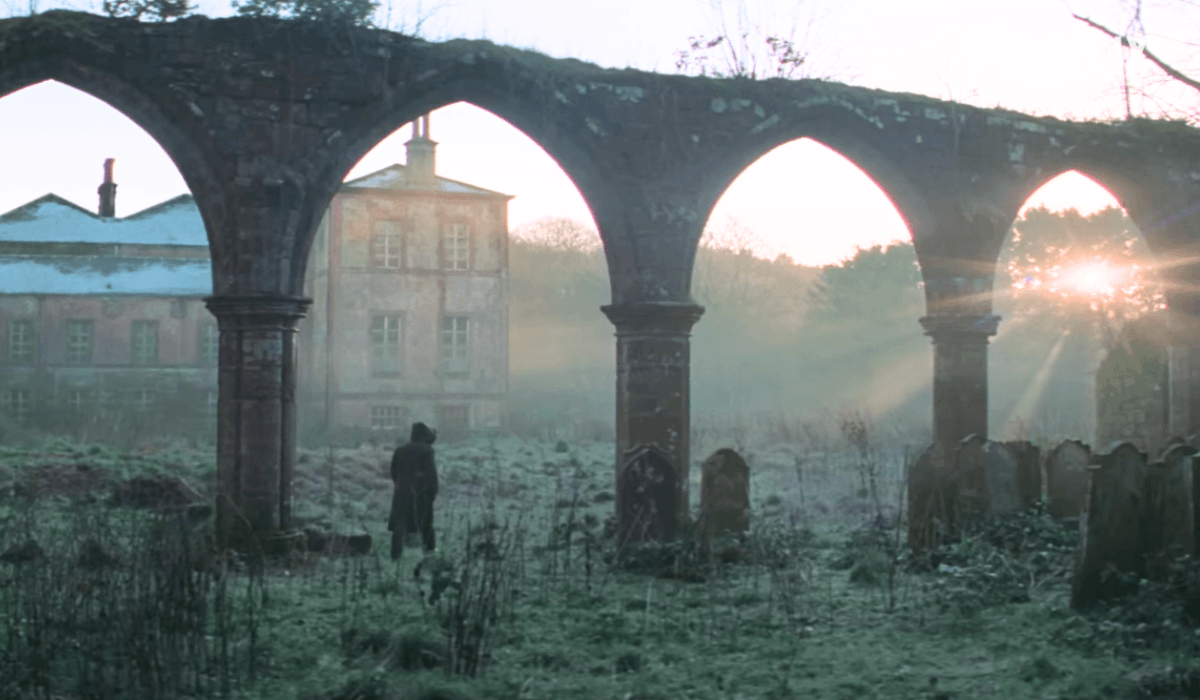
The film's title, The Immortal Man, reveals the central problem. Tommy Shelby was never meant to be immortal. The entire arc of Peaky Blinders explored how violence destroys the people who wield it, how ambition consumes those who pursue it relentlessly, how trauma compounds across generations. Tommy survived physically while dying spiritually, losing his wife, his brother, his innocence, his sanity, everything except his life. That's tragedy, not immortality.
By bringing him back for another round, the film risks transforming Tommy from tragic figure into action hero, someone who can face infinite reckonings and emerge ready for the next one. The white horse symbolism that ended the series suggested transcendence, escape, the possibility of peace. Dragging him back into 1940s Birmingham during the Blitz turns that escape into just another temporary reprieve before the next inevitable explosion.
The cast expansion to include Rebecca Ferguson, Barry Keoghan, and Tim Roth signals blockbuster ambitions. These are serious actors commanding serious salaries, the kind of ensemble you assemble for prestige projects aiming at awards and box office simultaneously. The decision to give the film a theatrical release starting March 6, 2026 before Netflix streaming on March 20 confirms that this isn't just fan service. It's a major commercial play banking on nostalgia and brand recognition.
What Netflix's Involvement Tells Us
Netflix's strategy with Peaky Blinders reveals everything about modern entertainment economics. The streamer acquired U.S. rights after BBC premiered the show in 2013, helping build it into international phenomenon through algorithmic recommendations and binge-watching culture. Now they're producing not just this film but two subsequent six-part sequel series set in 1953, following "a new generation of Shelbys."
This represents streaming's approach to intellectual property: infinite extension. A show can never truly end as long as viewership data suggests people will watch more. The specific story doesn't matter. Character arcs becoming circular doesn't matter. What matters is maintaining subscriber engagement through familiar brands that algorithms can recommend confidently.
The film serves as bridge between the original series and these planned sequels, keeping Tommy Shelby alive long enough to set up whatever dynasty comes next. This isn't organic storytelling following natural narrative progression. It's content strategy designed to extract maximum value from a proven property. The story bends to serve the business model rather than the business model respecting the story's natural conclusion.
Knight's involvement as writer gives the project credibility, but he's also the person who initially ended the series. If he felt the story was complete in 2022, what changed? Not the story, certainly. What changed was Netflix writing checks large enough to make continuation feel artistically justified. And maybe I'm being unfair. Maybe Knight genuinely discovered new Tommy Shelby stories that demand telling. But the timing, the corporate backing, and the transmedia expansion all suggest commercial imperatives driving creative decisions.
Why We Keep Letting This Happen
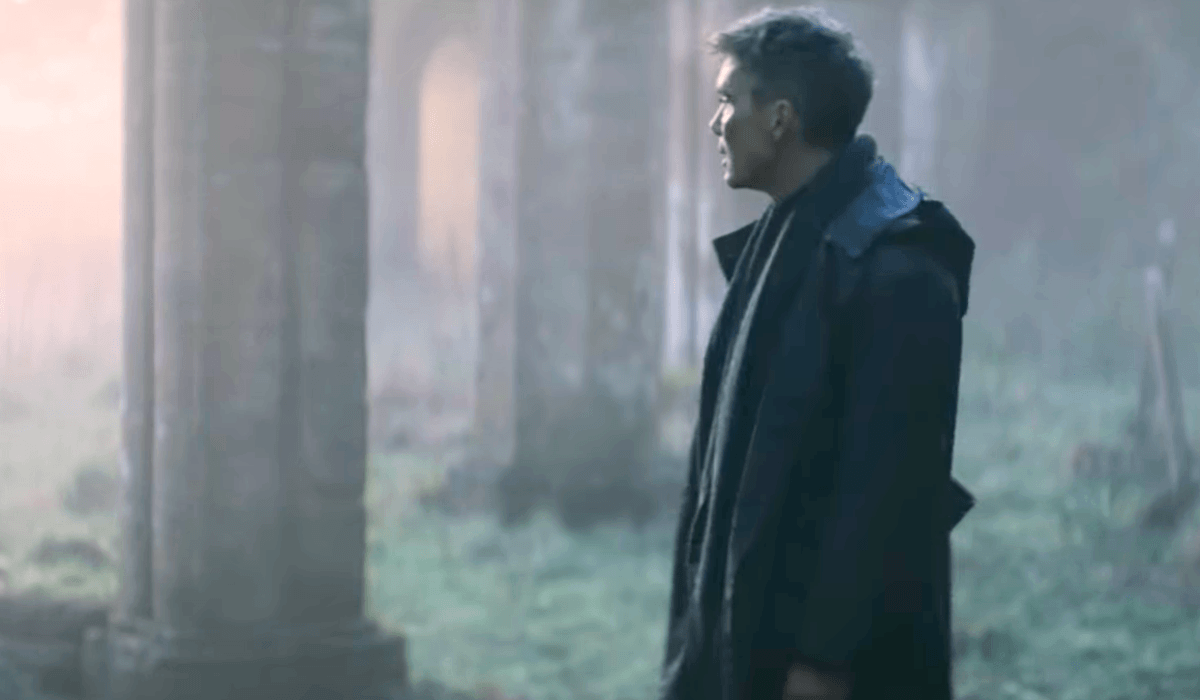
Here's the uncomfortable truth: we're complicit. Fans demanding more Peaky Blinders created the market conditions that made this film inevitable. Social media campaigns, petition drives, endless speculation about Tommy's future, all of it signaled to Netflix and Knight that appetite existed for continuation. We said we wanted more, and we're getting exactly what we asked for, even if it undermines what the original achieved.
This happens constantly across entertainment. Breaking Bad ended perfectly with Walter White's death, then we got El Camino and Better Call Saul. Dexter concluded terribly with the lumberjack ending, then returned for New Blood that concluded even worse. The Sopranos ended ambiguously with a cut to black, and rumors of a sequel movie persist despite David Chase's repeated statements that Tony died. Game of Thrones ended catastrophically, and HBO prepares multiple spinoffs. Nothing stays dead if the IP retains value.
The pattern reveals how we've traded artistic integrity for content abundance. We'd rather have diminishing returns from familiar properties than risk investment in something new. Studios would rather exploit proven brands than gamble on original visions. The safest bet is always resurrecting what worked before, quality control be damned. We've created an entertainment ecosystem that incentivizes creative exhaustion over creative courage.
Peaky Blinders joining this pile doesn't make it uniquely cynical. It just makes it typical. Every beloved show will eventually face this choice: end with dignity or continue until quality collapses. Most choose continuation because money talks louder than artistic satisfaction. The few that resist, like Breaking Bad maintaining its integrity despite sequel temptations, become exceptional precisely because they're exceptions.
What Makes This Particularly Frustrating
My issue with The Immortal Man isn't that it exists. Plenty of unnecessary sequels have surprised me by being genuinely good. My issue is what it represents about our inability to let stories end, our compulsion to exhaust every narrative possibility until nothing remains but brand recognition and diminishing returns.
Tommy Shelby's story was complete. Not perfect, not universally satisfying, but complete. He'd risen from street thug to political player. He'd lost everyone he loved. He'd survived assassination attempts, gang wars, fascist plots, and his own suicidal tendencies. The white horse represented escape from the cycle of violence that defined his life. Bringing him back for World War II literally drags him back into the exact violence he'd escaped, making that ending meaningless retroactively.
Steven Knight deserves credit for creating Peaky Blinders and building it into cultural phenomenon. The show's influence on menswear alone justified its existence, with flat caps and three-piece suits experiencing renaissance because Tommy Shelby made them look dangerous and stylish. The show's exploration of post-World War I trauma, class conflict, and generational violence offered substance beneath the style. At its best, Peaky Blinders was genuinely great television.
But even great television should end. Especially great television should end before it becomes parody of itself. The Immortal Man poses serious risk of transforming Tommy Shelby from complex tragic figure into generic action protagonist who survives whatever the plot requires. If he's immortal, nothing costs him anything. If he can walk away and return endlessly, his choices lose weight. If every ending is just setup for the next beginning, nothing means anything except maintaining the franchise.
My Personal Stake in Letting Things Die
I'll confess something that might make me sound curmudgeonly: I'm tired. Tired of every show I love getting extended until I stop loving it. Tired of networks and streamers treating conclusions as opportunities rather than boundaries. Tired of actors returning to roles they'd moved beyond because the money's too good to refuse. Tired of creators justifying resurrections with claims about fan service when we all know it's about exploiting proven properties.
I loved Peaky Blinders. Seasons 2 through 4 particularly were tremendous television, balancing style and substance while giving Cillian Murphy material worthy of his talents. I watched Tommy Shelby's descent into darkness and his eventual exhaustion with genuine investment. I cared about this character and his doomed attempts at redemption. That's precisely why I wanted him to stay gone.
The white horse ending wasn't perfect. Many fans hated it, finding it too ambiguous or unearned. But it suggested possibility that Tommy could actually escape, that walking away was an option, that the cycle could break. Bringing him back says nope, the cycle never breaks. You're Tommy Shelby forever, and Tommy Shelby means violence. That's depressing in ways I don't think the filmmakers fully grasp.
I also resent being told this is "for the fans" when it's clearly for Netflix's subscriber retention and Knight's bank account. Real fan service would be respecting the ending enough to leave it alone, trusting that what was built across six seasons was sufficient. Real fan service would be creating new properties with similar DNA rather than endlessly recycling the same characters. Real fan service would acknowledge that sometimes the best thing you can do for a beloved show is let it rest.
But I understand I'm in the minority here. Most fans are probably ecstatic about The Immortal Man. They want more Tommy Shelby regardless of whether more Tommy Shelby makes narrative sense. They'd watch him indefinitely as long as Murphy keeps playing him. And who am I to tell them they're wrong? Maybe I'm the one who's wrong, clinging to outdated notions about artistic completion in an era of infinite content.
What I Actually Hope Happens
Despite my cynicism, I genuinely hope The Immortal Man is great. I hope Knight found legitimate reasons to bring Tommy back beyond commercial pressure. I hope Murphy delivers another phenomenal performance. I hope the film justifies its existence by adding something meaningful to Peaky Blinders' legacy rather than diminishing it.
I also hope this really is the end. The planned sequel series focusing on a new generation of Shelbys set 17 years later at least offers fresh perspective rather than endless Tommy Shelby adventures. If The Immortal Man serves as bridge to genuinely new stories, maybe it's necessary connective tissue rather than pure cash grab.
But I won't hold my breath. The entertainment industry has trained me to expect diminishing returns from every franchise extension. The rare exceptions, films or shows that justify their continued existence through genuine quality, stand out precisely because they're rare. Most resurrections exist to exploit nostalgia rather than honor it. Most revivals reveal that endings happened for good reasons, and undoing them creates more problems than solutions.
When The Immortal Man releases in March 2026, I'll watch it. Probably in theaters during that two-week exclusive window, because I'm part of the problem I'm critiquing. I'll hope for the best while expecting something significantly less. And regardless of quality, I'll recognize it for what it is: further proof that in modern entertainment, nothing stays dead as long as the brand retains value.
Tommy Shelby might be The Immortal Man in the film's title. But the real immortality belongs to intellectual property in the streaming age, where every conclusion is temporary, every ending is negotiable, and every beloved show will eventually be resurrected until audiences stop watching. By order of the Peaky Blinders, apparently, nothing is allowed to rest in peace.