Why Apple TV+ Canceled 'The Last Frontier': A Multi-Perspective Debate On Streaming's Ruthless Game

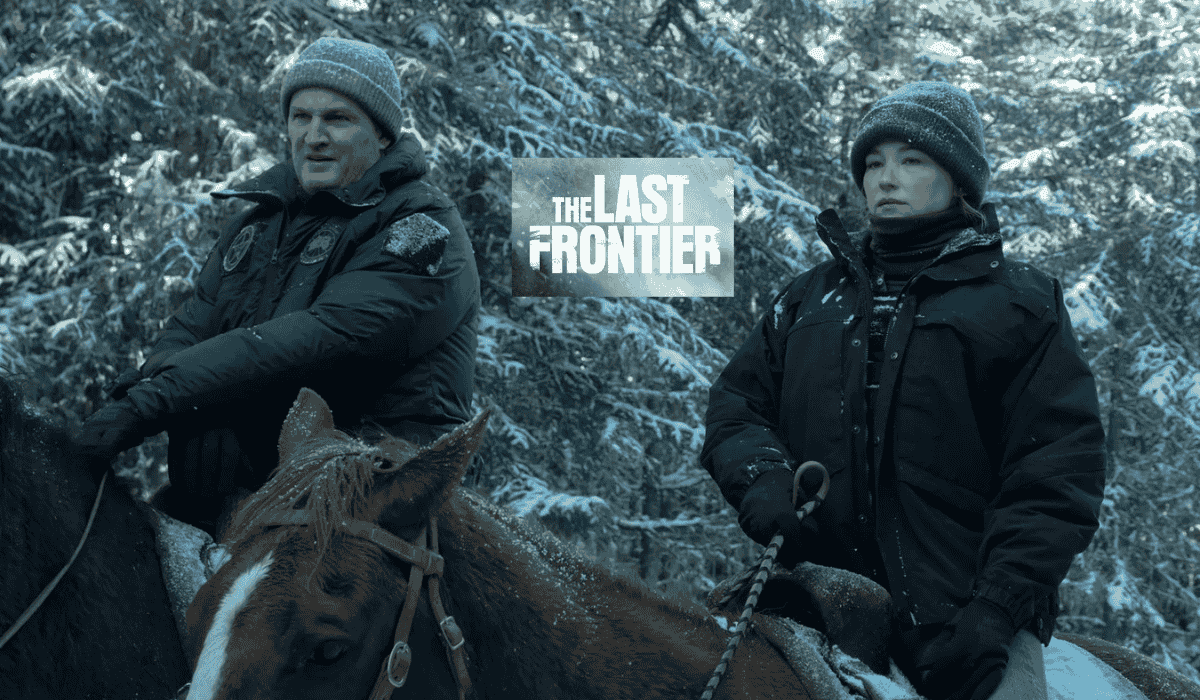
Apple TV+ shocked fans by axing "The Last Frontier" after one season, a move that ignited debates across TV circles in late 2025. This Alaskan thriller, crafted by Jon Bokenkamp and led by Jason Clarke, blended high-stakes manhunts with conspiracy twists but failed to secure renewal despite early top-10 buzz.
As streaming wars intensify, the cancellation invites scrutiny from creators, viewers, critics, and executives, each offering clashing views on what went wrong and what it signals for the industry.
The Creator's View: Creative Vision Clashes with Data Demands
From Jon Bokenkamp's standpoint, "The Last Frontier" embodied bold storytelling risks that streaming platforms increasingly shun. Known for "The Blacklist's" intricate plots, Bokenkamp delivered a full 10-episode arc straight to series, a rare vote of confidence from Apple in 2023.
Yet the show's mid-season sag, criticized for pacing issues, highlights how creators must now perfect every episode under analytics microscopes rather than earning room to grow.
Bokenkamp might argue Alaska's niche setting deserved patience, much like "Yellowstone" built a dynasty from rural roots. Canceling after closure feels like punishing ambition; the finale's 6.2 IMDb rating paled against early 7.7 highs, but refinements could have elevated it to "Silo" levels. Creators today face a dilemma: innovate wildly or play safe, as data trumps artistry in boardrooms.
The Viewer's Lens: Frustration Meets Fair Verdict
Fans split into camps, with devoted binge-watchers decrying the loss of a fresh wilderness chase while casual viewers nod at its flaws. Those hooked on Marshal Remnick's gritty pursuit praised Clarke's raw intensity and the eerie Alaskan isolation that ramped up tension, likening it to "Justified" with bears instead of backwoods. Social media buzz post-finale lamented unfinished potential, especially Levi Hartman's CIA shadows hinting at bigger arcs.
Others see justice in the cut: convoluted twists and a 50% audience Rotten Tomatoes score reflected real letdowns, where thrills fizzled into filler. In an era of endless content, viewers demand flawless hooks from episode one; "The Last Frontier" hooked some but lost momentum, mirroring drops in shows like "Constellation." This perspective empowers audiences, whose drop-off stats now dictate fates more than petitions ever could.
Critics' Take: Promise Undermined by Execution Gaps
Reviewers offered a balanced but damning verdict, pegging the series at 47% on Rotten Tomatoes for strong bookends undone by a "flabby middle." Empire Magazine captured it best: fun opener and tense closer wasted on sluggish conspiracy buildup that diluted Alaska's visceral punch. Clarke and Dominic Cooper's chemistry shone, yet plot holes eroded immersion, turning potential "Sicario"-style grit into generic procedural fare.
Critics contend Apple overinvested in premise over polish; mixed scores signal a failure to transcend "Blacklist" echoes into something unique. Positives like atmospheric scores and Haley Bennett's sharp agent role hinted at upside, but in 2025's critique landscape, middling debuts rarely rebound without viral word-of-mouth. This view pushes for tighter pilots, warning that bold swings demand surgical precision.
The Executive Angle: Cold Metrics Trump Hot Buzz
Apple execs likely point to unyielding numbers: top-10 landings faded post-December 5 finale, failing retention benchmarks in a subscriber-churn crisis. With costs soaring amid ad-tier shifts, platforms cull 70% of originals after season one, favoring "Severance" outliers at 95% approval over modest performers. "The Last Frontier" joined "Sunny" in the one-and-done bin, a pattern underscoring data-driven purity over sentiment.
Executives defend this as survival math; global appeal suffered from Alaska's remoteness, unlike urban hits dominating Netflix queues. Straight-to-season gambles minimize risk yet expose flops faster, preserving budgets for proven IP. Critics call it soulless, but in oversaturated 2025, this rigor sustains quality averages, weeding out noise for bingeable gems.
Broader Industry Ripple: A Wake-Up Call for Thrillers and Beyond
Zooming out, the cancellation spotlights streaming's volatility, where even star power from Clarke or Cooper can't save waning views. Wilderness thrillers, ripe with climate relevance and survival lore, now face uphill battles against superhero spectacles. It echoes Netflix's post-strike purges, signaling shorter seasons and pilot-proof concepts as norms.
Yet optimism lingers: Bokenkamp's resume ensures quick rebounds, perhaps on cable craving edge. For the industry, it urges hybrid models blending data with creativity, like Paramount+'s renewal leniency. Alaska tales endure in docs and indies, proving untapped veins.
My Take: A Symptom of Streaming's Creative Crunch
In my view, axing "The Last Frontier" exemplifies how algorithms stifle the very innovation they claim to foster. Bokenkamp's conspiracy flair and Clarke's grit forged a diamond-in-rough with "Yellowstone"-meets-manhunt vibes, deserving tweaks over termination. Mixed reviews sting less against peers; many renewals started shakier yet bloomed.
Streamers' obsession with instant perfection starves mid-tier magic, favoring reboots over risks amid 2025's content flood. Fans and creators lose when data dictates unilaterally, but it could spark pushback: bolder pilots, fan metrics in decisions. Ultimately, this saga reminds us TV thrives on second acts; "The Last Frontier" may yet inspire revivals elsewhere, proving frontiers never truly close.