Why Percy Jackson Season 2 Proves Disney Finally Understands Young Adult Fantasy

Let's be honest, when Disney announced another Percy Jackson adaptation, plenty of fans groaned. We'd been burned before by movies that treated Rick Riordan's brilliant mythology series like disposable teen content. But Season 2 of Percy Jackson and the Olympians isn't just good television, it's a masterclass in how to respect source material while making bold creative choices that actually work.
And the numbers back this up spectacularly. Within two days of its December 10, 2025 premiere, the series dominated Disney Plus globally, claiming the top spot according to FlixPatrol data. More telling? Disney Plus Brasil reported that Season 2's viewership doubled compared to Season 1's premiere. For context, Season 1 was already the most-watched Disney Plus original series of 2024.
The Perfect Score Nobody Expected
Here's something that should make Marvel fans pause: Percy Jackson Season 2 earned a perfect 100% fresh rating on Rotten Tomatoes from critics. Not 98% like Ms. Marvel. Not 96% like Loki. A full 100%, making it one of the most critically acclaimed Disney Plus originals ever produced.
The audience score sits at 88%, which honestly feels more meaningful than the critical consensus. These are the people who grew up with the books, who remember every disappointment from the movies, and who are finally getting the adaptation they deserved all along. That 88% represents cautious optimism turning into genuine enthusiasm.
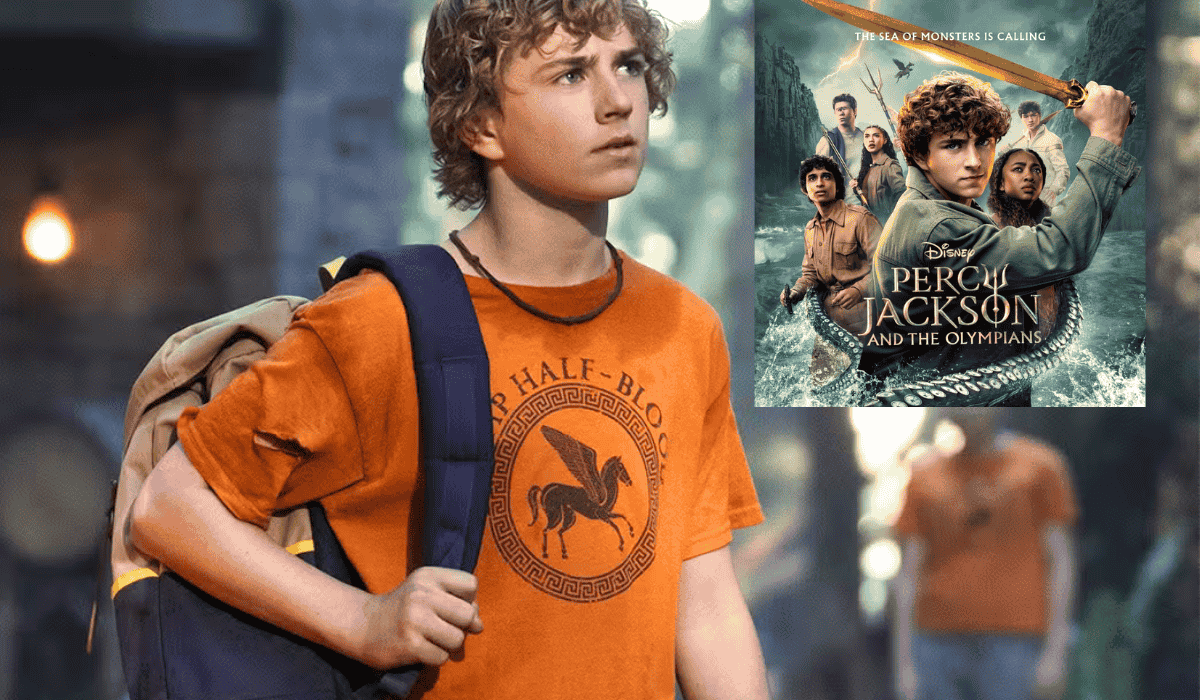
Season 2 adapts The Sea of Monsters, sending Percy (Walker Scobell), Annabeth (Leah Sava Jeffries), Grover (Aryan Simhadri), and Cyclops half-brother Tyson on a quest to retrieve the Golden Fleece and save Camp Half-Blood. Reviewers consistently praise the faster pacing, deeper character work, and higher stakes compared to an already solid first season that holds a 91% critics score.
I'll admit I was skeptical about whether the show could improve on Season 1's foundation. The first season played it relatively safe, establishing characters and world-building at a deliberate pace. Season 2 takes risks, trusts its audience to keep up, and delivers payoffs that feel earned rather than rushed.
The Casting Gamble That Changed Everything
Disney made one decision that defines this entire adaptation's success: they cast actual children as children. Radical concept, right?
Scobell and Jeffries were both 13 when cast, while Simhadri was 16 but convincingly portrays a younger character. Compare this to the 2010 film where Logan Lerman played Percy at 17, and Alexandra Daddario portrayed Annabeth in her mid-twenties. Those casting choices betrayed a fundamental misunderstanding of why the books connected with young readers in the first place.
The authenticity shows in every scene. Season 1's premiere reached 13.3 million viewers in its first six days across Disney Plus and Hulu, placing it among the platform's top five premieres alongside The Mandalorian Season 3 and Loki Season 2. By year's end, Season 1 accumulated 3.07 billion minutes of watch time in the United States alone, according to Luminate Data.
These numbers represent more than commercial success. They prove that young audiences will show up for content that respects them, that doesn't try to age them up artificially or dumb down complex emotions and relationships.
The Age Problem and Why It Doesn't Actually Matter
But here's the elephant in Camp Half-Blood: these kids are growing up fast. Really fast. When Season 2 premiered, Scobell had already reached the age Percy is supposed to be at the book series' conclusion. The two-year gap between seasons meant the actors aged faster than their characters could plausibly grow.
Rick Riordan openly acknowledges he underestimated television production timelines. To address this, the show subtly adjusted the Great Prophecy, which originally stated a half-blood child of the oldest gods would become powerful upon turning 16. The series version suggests the prophecy's events occur sometime after reaching 16, not necessarily on that exact birthday.
Honestly? This is brilliant problem-solving that respects both storytelling integrity and practical reality. I've seen fans complain about the aging issue online, but I think they're missing the bigger picture. Would you rather have these talented performers growing naturally into more complex roles, or endless recasting that destroys chemistry and continuity? Would you prefer CGI de-aging that creates uncanny valley teenagers who look and sound wrong?
The cast themselves get it. Scobell points out he'll still be younger during Season 4 filming than Lerman was in the first movie. Jeffries appreciates that the dialogue doesn't sound "too babyish" this season, matching the gravity of their situations. Simhadri actively wants the show to feel more mature, arguing that an aged-up cast delivers that authenticity better than forcing younger actors to perform beyond their emotional range.
I find their maturity refreshing and their logic sound. The books themselves age up naturally, with later installments tackling darker themes, romantic relationships, and genuine loss. Having performers who can handle that complexity beats rigid age-matching every single time.
Where the Movies Failed and the Series Thrives
Let's talk about those movies for a moment, because understanding their failure illuminates this adaptation's success.
The Lightning Thief (2010) grossed $226.5 million globally. Sea of Monsters (2013) made $202 million. By Hollywood's commercial standards, these weren't disasters. But they earned Rotten Tomatoes scores of 48% and 42% respectively, and more importantly, they betrayed everything that made the books special.
The films felt like someone skimmed the books, highlighted action sequences, and ignored character development entirely. They rushed through mythology that deserved exploration. They cast too old, shot too generically, and treated the source material like an obstacle rather than a foundation.
Rick Riordan had minimal creative control over those adaptations, and it showed. He's repeatedly stated his disappointment with how they turned out, going so far as to tell fans he couldn't recommend them.
The Disney Plus series succeeds specifically because Riordan serves as co-creator and executive producer with actual authority. The show dedicates eight episodes per season to one book, allowing for proper world-building, character moments, and the smaller interactions that made readers fall in love with Percy's world. Episodes release weekly through January 21, 2026, maintaining engagement rather than encouraging binge-and-forget behavior.
This represents a fundamental shift in how Disney approaches adaptation. They're not extracting intellectual property for quick profit. They're building a long-term franchise by respecting what made the original property valuable in the first place.
The Diversity Question and Why the Backlash Was Nonsense
We need to address the controversy around Leah Sava Jeffries' casting as Annabeth because it reveals important truths about adaptation, representation, and who gets to see themselves as heroes.
When casting announcements dropped, racist backlash erupted online. Some claimed they weren't racist, they just wanted Annabeth to match her book description. But let's be clear: if your primary concern about an adaptation is that a character's skin color changed rather than whether the actor embodies the character's essence, you're revealing your priorities loud and clear.
Jeffries brings fierce intelligence, strategic brilliance, vulnerability, and strength to Annabeth that transcends any physical description. Her chemistry with Scobell creates a believable friendship gradually deepening into something more, exactly as the books portrayed. She is Annabeth in every way that matters.
Rick Riordan publicly defended his actors when the backlash happened, and honestly, the fact that he needed to do so says more about certain segments of fandom than it does about the casting choices.
Here's my take: faithful adaptation means capturing the essence of characters and story, not creating live-action replicas of fan art. Annabeth's brilliant strategic mind, her loyalty to those she loves, her complicated relationship with her mother Athena, her struggles with feeling underestimated, these define her character. Jeffries embodies all of this while allowing a generation of Black girls to see themselves as the clever hero who saves the day through intelligence rather than just physical prowess.
The show also celebrates diversity through Aryan Simhadri's Indian American representation as Grover. When racist trolls attacked him too, Simhadri handled it with grace and humor that demonstrated exactly the kind of person you want representing your franchise.
Production Momentum and What It Signals
Disney's confidence in Percy Jackson shows through unprecedented early renewal decisions. Season 3, adapting The Titan's Curse, began filming in August 2025 before Season 2 aired a single episode. This contrasts sharply with Season 1, where Disney waited until after the finale to greenlight Season 2, causing the frustrating two-year gap fans just endured.
This aggressive production schedule tells me Disney views Percy Jackson as essential rather than experimental. They're not testing waters anymore; they're building a franchise cornerstone.
New cast additions for Season 3 include Dafne Keen as Artemis, Goddess of the Hunt, plus Levi Christopulos and Olive Abercrombie as Nico and Bianca di Angelo, children of Hades. Kate McKinnon joins as Aphrodite, adding comedic star power alongside returning guest stars like Lin-Manuel Miranda as Hermes and Jason Mantzoukas as Dionysus.
The Season 2 trailer accumulated 135.9 million views across social media platforms in its first 10 days, representing a 60% increase compared to Season 1's trailer performance. These numbers indicate expanding audience interest, not diminishing returns. The show is building momentum rather than coasting on initial curiosity.
Why This Story Resonates Now More Than Ever
Percy Jackson works because it makes ancient mythology accessible and relevant to modern young people struggling with identity, family dysfunction, and finding where they belong.
Riordan's genius lies in reimagining Zeus, Poseidon, and Athena as messy, relatable figures whose divine dysfunction mirrors real family dynamics. Percy's quest to find his identity and prove his worth speaks to universal coming-of-age experiences, whether you're battling the Minotaur or just trying to survive middle school with undiagnosed ADHD and dyslexia.
The show captures this balance between epic adventure and personal growth beautifully. Season 2 demonstrates maturation not just in the actors but in the storytelling itself. Reviews consistently note darker tones, higher stakes, and more complex emotional beats. The series understands that young audiences appreciate being challenged and respected rather than patronized.
I think this matters more than people realize. We're in an era where young adult content often gets dismissed as lesser or simplistic. Percy Jackson proves that stories for younger audiences can tackle complex themes, real emotions, and genuine consequences without talking down or sugarcoating reality.
The books addressed neurodivergence, blended families, absent parents, feeling out of place, and discovering your own worth before these became trendy topics in YA literature. The adaptation honors this while updating cultural references and adding representation that makes the story feel even more inclusive and relevant.
What Success Means for Disney's Future
From a business perspective, Percy Jackson represents Disney Plus's most successful non-Marvel, non-Star Wars franchise for young audiences. It fills a crucial gap in their lineup: contemporary fantasy that appeals to tweens, teens, and nostalgic adults who grew up with the books.
With five books in the main series and numerous spinoffs including Heroes of Olympus and Trials of Apollo, Disney has potential for a decade-long franchise if they maintain this quality level. That's not hyperbole. The source material exists, the audience engagement is proven, and the creative team has demonstrated they can translate books to screen effectively.
But here's what really excites me: this success might change how Disney approaches other young adult adaptations. If they learn the right lessons from Percy Jackson, respecting source material, casting authentically, giving creators control, and trusting young audiences with complex storytelling, we could see a renaissance in YA adaptations that actually work.
The addition of tie-in content like the Fortnite island "Percy Jackson: Siege of Monsters" and companion podcasts shows Disney treating this as a multimedia property worthy of significant investment. They're building an ecosystem around the show rather than treating it as standalone content.
The Questions Nobody's Asking But Should
Can Disney sustain this momentum through five full seasons as originally planned? Will the cast's aging ultimately enhance or hinder the final books' adaptation? How will viewership evolve as the characters and their challenges mature alongside their performers?
Early indicators suggest positive answers. Season 2's viewership jump and critical acclaim prove the show is building rather than losing steam. The cast's chemistry deepens authentically as they genuinely become the friends they portray on screen. Riordan's continued involvement ensures the adaptation stays true to what made the books special while making necessary adjustments for television.
But I worry about creative fatigue and corporate interference. Disney has a history of letting successful properties coast rather than continuing to invest in quality. They need to resist the temptation to play it safe, to dial back the risks that make Season 2 work so well, or to start making decisions based on merchandise sales rather than story integrity.
The show also faces a challenge unique to streaming: maintaining cultural relevance between seasons. That two-year gap between Seasons 1 and 2 felt eternal for fans. Even with aggressive Season 3 production, can the show maintain momentum when audiences are trained to move on to the next big thing?
Having watched both seasons multiple times and followed this journey from announcement through premiere, I believe Percy Jackson and the Olympians succeeds because it trusts its audience and respects its source material in equal measure.
Too many young adult adaptations either dumb down content for perceived younger viewers or age it up artificially to attract broader demographics. Percy Jackson refuses both approaches. It treats kids and teens as intelligent viewers who want complex stories with real emotional stakes, while maintaining the humor and heart that made the books beloved.
The trending conversations around Percy and Annabeth demonstrate deep investment in these characters and their journey. As new episodes release weekly through January 2026, Percy Jackson is maintaining its position as Disney Plus's dominant series, particularly among younger demographics hungry for fantasy that respects their intelligence.
This is how you adapt beloved books: with respect for what made them special, willingness to adjust intelligently for different mediums, and absolute commitment to getting the casting right. The movies failed because they lost sight of these principles. The series succeeds because it never forgets them.
For fans who grew up with the books and new viewers discovering the story for first time, Season 2 offers the rare adaptation that improves with each episode while staying true to its literary roots. That achievement alone makes Percy Jackson one of the most important young adult adaptations of the streaming era.
The show proves that faithful doesn't mean slavish, that diversity enriches rather than diminishes, and that young audiences will reward content that treats them as the thoughtful, engaged viewers they are. Disney finally got it right, and the results speak louder than any criticism ever could.
If they can maintain this quality and creative vision through the remaining books, Percy Jackson won't just be a successful adaptation. It'll be the blueprint for how to bring beloved young adult literature to screen in ways that honor both the original work and the new medium, creating something that stands alongside the books rather than merely copying them.
That's the real victory here, and it's one worth celebrating.