Why Smaller Crime Thrillers Deserve Your Attention More Than Prestige TV

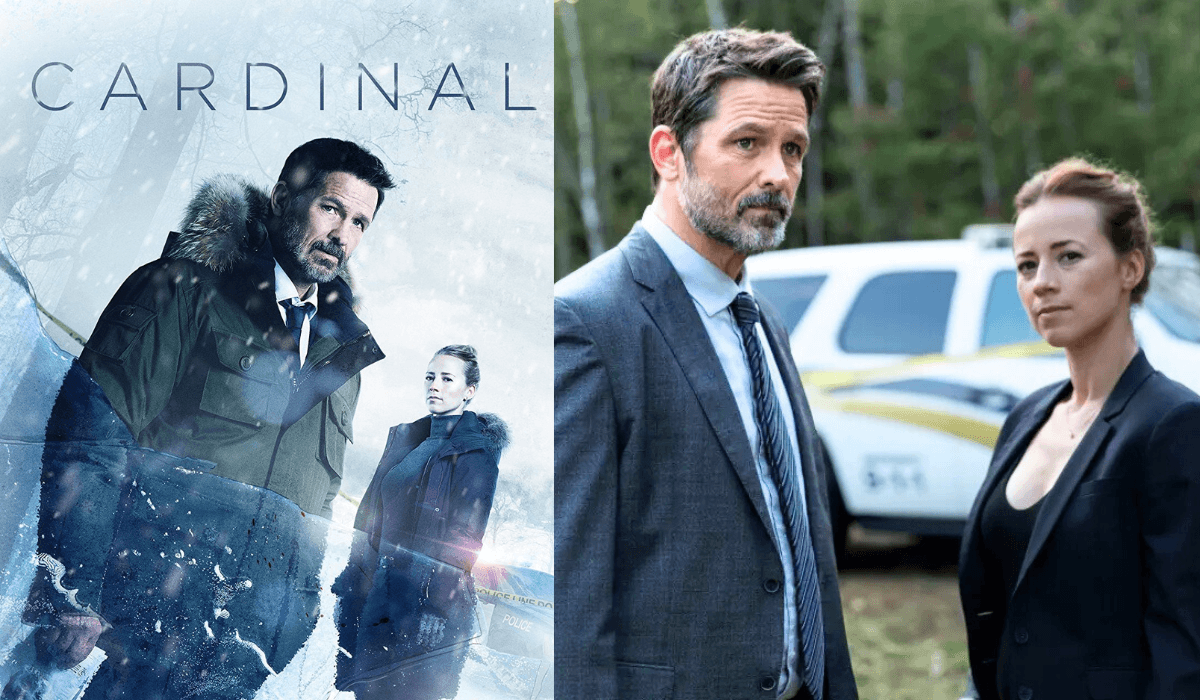
The streaming era promised infinite choice, yet most viewers flock to the same handful of prestige dramas everyone discusses on social media. We wait breathlessly for each new season of True Detective or argue endlessly about Yellowstone's cultural significance while dozens of quietly excellent crime thrillers languish in algorithmic obscurity. Two recent examples, Cardinal and Untamed, illustrate both the incredible quality hiding in plain sight and the fundamental unfairness of how streaming platforms treat mid-tier productions.
Cardinal, a Canadian series that ran four seasons from 2017 to 2020, recently resurged in recommendations as viewers discover it offers everything True Detective promises without the inconsistency. Untamed, Netflix's 2025 limited series starring Eric Bana and Sam Neill, drew 24.6 million views in its first week yet received almost no marketing push and will likely disappear from the cultural conversation within weeks.
Both shows demonstrate that production budgets and celebrity casts matter less than tight writing, atmospheric direction, and performers willing to dig deep emotionally. Yet the current streaming ecosystem makes it nearly impossible for these shows to find their audiences organically.
This isn't just about two good shows being overlooked. It reflects broader problems with how we discover, discuss, and remember television in an era where thousands of hours of content release annually and platforms prioritize whatever generates immediate buzz over sustained quality.
Cardinal: The True Detective Alternative Nobody Talks About
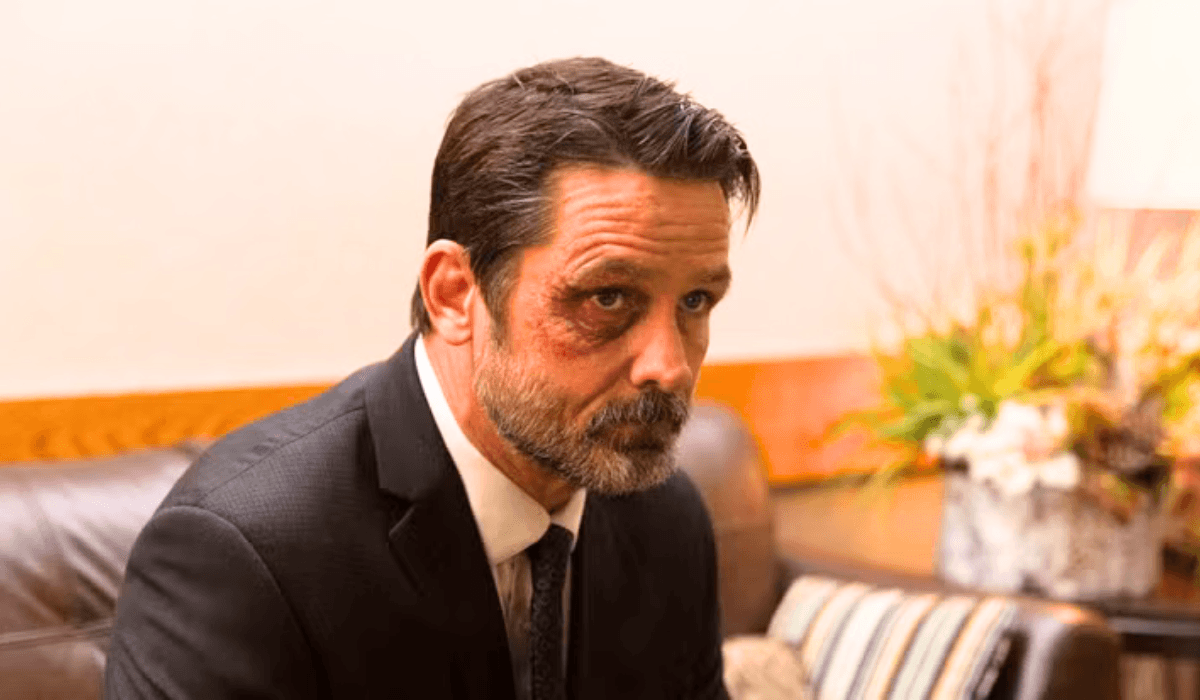
Billy Campbell hasn't been a household name since his days on Once and Again in the early 2000s. He's worked consistently in film and television, delivering solid performances in projects like The Killing and Enough, but he's never achieved the recognition his talent deserves. Cardinal represents his finest work, a quietly devastating portrayal of Detective John Cardinal, a man whose determination to solve cases sometimes costs him more than he can afford to pay.
The series opens with the discovery of 13 year old Katie Pine's body in a frozen mineshaft in Northern Ontario. Cardinal had insisted for months that Katie didn't run away as the department assumed. He was demoted for refusing to let the case go, for insisting resources be devoted to finding her. Now vindicated but haunted, he must work the investigation while his new partner, Detective Lise Delorme, secretly investigates him for suspected corruption.
That dual investigation structure, where Cardinal hunts a serial killer while Delorme hunts Cardinal, creates layered tension that True Detective Season 1 achieved but subsequent seasons struggled to replicate. The show trusts viewers to sit with ambiguity about Cardinal's past, to wonder whether this wounded, stoic detective might actually be dirty. Billy Campbell plays that uncertainty beautifully, giving nothing away through obvious tells.
Karine Vanasse matches Campbell's intensity as Delorme. She's not a typical sidekick or romantic interest. She's equally competent, equally driven, and equally damaged by her own secrets. Their partnership develops slowly across four seasons, earning every moment of connection through shared trauma rather than manufactured chemistry.
The show's real secret weapon is location. Filmed in North Bay, Ontario, standing in for the fictional Algonquin Bay, Cardinal makes winter itself a character. The snow doesn't provide pretty Christmas card backdrops. It's oppressive, isolating, dangerous. Characters' breath clouds in the frozen air. Bodies preserved in ice reveal horrors in stages as they thaw. The cold seeps through the screen, creating visceral discomfort that amplifies the psychological dread.
True Detective's Louisiana swamps in Season 1 and California desert in Season 2 used landscape similarly, but Cardinal sustains that atmospheric intensity across four complete seasons rather than eight episode arcs. The show never takes shortcuts, never rushes investigations for dramatic convenience. Episodes let silence linger. They trust viewers will remain engaged through slow builds to horrifying revelations.
Each season adapts a different novel from Giles Blunt's acclaimed mystery series. Season 1 tackles Forty Words for Sorrow, Season 2 covers Blackfly Season, Season 3 adapts By the Time You Read This, and Season 4 concludes with Until the Night. The literary source material provides structure and depth many procedurals lack.
These aren't standalone cases forgotten by next episode. They're complex investigations that span entire seasons, allowing the show to explore not just who committed murders but why, and what investigating those murders costs the detectives emotionally.
The violence depicted is genuinely harrowing. Cardinal doesn't shy away from showing what serial killers do to victims. But the show's focus remains on aftermath, on grief, on the trauma rippling outward from each death. Detectives struggle with nightmares, with survivor's guilt, with the impossibility of processing horror while remaining functional enough to prevent the next murder. This psychological realism makes Cardinal feel more grounded than flashier American productions.
Critics at the time noticed. The series swept Canadian Screen Awards, winning multiple trophies for writing, directing, and acting. But Canadian productions rarely penetrate American consciousness unless they star Ryan Reynolds or achieve Schitt's Creek level crossover success. Cardinal aired on CTV in Canada, then got picked up by Hulu in the United States, where it exists in that streaming limbo of being technically available but algorithmically invisible.
Why Cardinal Matters Beyond Entertainment Value
The show's representation of Northern Ontario life, including significant First Nations characters and French Canadian culture, adds texture rarely seen in American crime dramas. Detective Jerry Commanda, played by Glen Gould, isn't a token indigenous character checking a diversity box. He's a fully realized person navigating complex relationships between his community and law enforcement, providing crucial perspective on cases while managing his own personal struggles.
The French English linguistic dynamics feel authentic rather than performative. Delorme's francophone background influences how she processes cases and relates to witnesses. Suspects switch between languages strategically. This bilingual reality shapes investigations in ways American shows never consider because they assume everyone speaks English.
Cardinal also depicts small city policing honestly. Algonquin Bay isn't a metropolis with unlimited resources. Detectives work multiple cases simultaneously. Forensic results take time. Budgets constrain investigations. Everyone knows everyone, which complicates witness interviews and creates conflicts of interest. This mundane reality makes the show's extraordinary cases, serial killers operating in a region unaccustomed to such violence, even more disturbing.
The portrayal of Cardinal's wife Catherine and her bipolar disorder deserves particular mention. The show treats her mental illness with sensitivity and complexity, showing how it affects their marriage without reducing her to her diagnosis. Her story arc across seasons, particularly in Season 3, provides some of the series' most emotionally devastating moments. Too many crime shows kill wives for male character motivation. Cardinal gives Catherine full humanity, making every scene with her matter beyond how it affects her husband.
This character depth extends throughout the ensemble. Each season introduces new suspects and victims whose stories matter. The show takes time establishing who they were before their murders, making their deaths feel like genuine losses rather than puzzle pieces in detective stories. That investment pays off when investigations reveal uncomfortable truths about victims alongside information about killers.
Untamed: Netflix's Marketing Failure
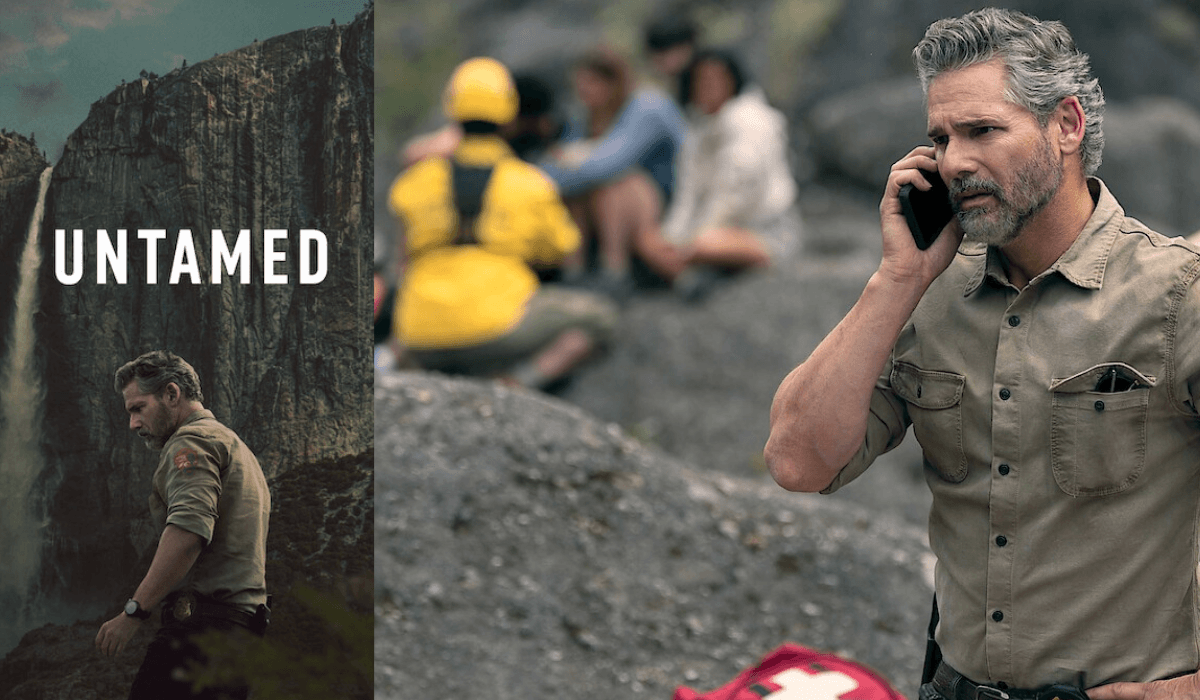
When Untamed premiered in July 2025, it immediately topped Netflix's English language TV list with 24.6 million views. That's substantial viewership by any measure. Eric Bana and Sam Neill are respected actors with devoted followings. The Yosemite National Park setting promised visual splendor. Co-creator Mark L. Smith wrote The Revenant, proving he understands how to use wilderness as narrative force.
Yet Netflix barely promoted the series before release. No major billboard campaigns, no extensive press junkets, minimal social media push. The trailer dropped just days before premiere. By the time viewers discovered Untamed existed, the algorithm had already begun deprioritizing it in favor of whatever content Netflix decided to push next.
The show itself earned mixed but generally positive reviews. Critics praised the performances, particularly Bana's portrayal of haunted National Parks Service Special Agent Kyle Turner and the scenes between Bana and Rosemarie DeWitt as his ex-wife Jill. The central murder investigation, beginning with a body falling from El Capitan's sheer rock face, provided a strong hook. Yosemite's dangerous beauty created atmosphere comparable to Cardinal's frozen Ontario.
Complaints focused on predictable plotting and familiar thriller tropes. The reveal of the killer apparently surprised few viewers. The drug trafficking subplot felt generic. Some reviewers wished the show explored Yosemite's unique ecosystem and Indigenous history more deeply rather than using the park as pretty backdrop for conventional crime story.
These criticisms have merit. Untamed doesn't revolutionize crime thriller television. But the show succeeds at what it attempts: delivering a tightly plotted, well acted, emotionally grounded mystery that uses its six episode length efficiently. Not every series needs to be groundbreaking. Sometimes competent execution of familiar formats provides exactly what viewers want, especially when anchored by performers as skilled as Bana, Neill, and DeWitt.
The Roger Ebert review captured this perfectly. Critic Brian Tallerico acknowledged he won't remember much of Untamed's mystery but will think about the show whenever he sees Bana or DeWitt in future projects. The performances elevated material that could have been forgettable into something memorable, at least in flashes. That's not nothing. That's actors doing their jobs exceptionally well.
Yet Netflix renewed Untamed for a second season then seemingly forgot about it. The renewal announcement generated minimal press. The show isn't prominently featured in Netflix's interface anymore. New subscribers browsing for crime dramas won't likely find it unless they search specifically. Within months, Untamed will join the hundreds of other decent Netflix originals that exist in name only, technically streamable but functionally invisible.
The Real Story: Kyle Turner's Grief and Trauma
What makes Untamed worth discussing is its unflinching portrayal of how unresolved grief destroys people from the inside. Kyle Turner lost his young son to a predator years before the series begins. The murder shattered his marriage to Jill, sending Kyle into alcoholism and Jill into the arms of another man. They can't be together because they constantly trigger each other's trauma, yet they can't fully separate because only they understand what the other has endured.
Bana doesn't play Turner as a stereotypical broken detective drowning his demons. He portrays a man who functions normally when working, using investigations to quiet the noise in his head, then collapses into bourbon and isolation during downtime. His competence at his job makes the personal disintegration more tragic. Turner knows how to save other people's children. He couldn't save his own.
The scenes between Bana and DeWitt carry extraordinary emotional weight. They've clearly loved each other deeply and probably still do. But that love can't overcome the reality that being together means constantly confronting the worst moment of their lives. Should they sacrifice potential happiness with new partners for the comfort of shared grief? Or should they let each other go and risk feeling like they're abandoning their son's memory?
The show doesn't resolve this cleanly because it can't. Some trauma doesn't heal. Some grief doesn't resolve into acceptance and moving forward. Turner and Jill remain stuck, and the show respects that reality rather than manufacturing false redemption. That's brave storytelling even if the murder plot surrounding it hits familiar beats.
Sam Neill's Chief Ranger Paul Souter provides necessary counterbalance. He's comfortable in his role, secure in his relationships, a mentor figure who represents what Turner might have become without tragedy. Neill plays Souter with warmth and complexity, hinting at depths the limited series doesn't fully explore but suggesting this character has his own stories. His presence reminds viewers that not everyone in law enforcement is shattered, that it's possible to do this work without being consumed by it.
Rookie ranger Naya Vasquez, played by Lily Santiago, offers another perspective. She's fleeing an abusive relationship while trying to prove herself in a completely new environment. Santiago brings vulnerability and determination to the role, making Vasquez's growth across six episodes feel earned. Her outsider status, coming from Los Angeles to Yosemite's wilderness, allows the show to explore the park's unique challenges through fresh eyes.
The Streaming Platform Problem
Both Cardinal and Untamed exemplify a frustrating reality about modern television. Dozens of well made, emotionally engaging, thoughtfully constructed series exist across streaming platforms. Most viewers will never watch them because algorithms don't surface them, marketing doesn't promote them, and social media conversations focus elsewhere.
Cardinal succeeded in Canada, winning awards and finding an audience through traditional broadcast television. But its American streaming life on Hulu has been quiet. The show appears in "hidden gem" recommendation lists periodically but never breaks through to broader cultural awareness. Fans who discover it evangelize passionately, insisting everyone should watch, yet those recommendations rarely convert to viewership.
Untamed's trajectory is even more dispiriting. Netflix invested in production, secured quality talent, premiered the show to strong initial numbers, then did essentially nothing to sustain momentum. The platform renewed it for Season 2, suggesting confidence in the property, but provided no timeline or updates. Viewers who enjoyed Season 1 have no idea when or if they'll see continuation.
This reflects Netflix's current strategy of flooding the platform with content, seeing what naturally trends, then abandoning anything that doesn't become a phenomenon within the first week. Shows like Untamed, which perform respectably without breaking records, get lost in the churn. The platform won't remove them, so technically they succeed by being available. But success measured solely by availability rather than promotion or cultural impact is hollow.
The problem extends beyond Netflix. Every streaming platform now produces more content annually than viewers can possibly watch. Disney Plus, Amazon Prime Video, Apple TV Plus, Max, Paramount Plus, Peacock, all competing for attention with overstuffed catalogs. Quality becomes irrelevant when discoverability fails. A brilliant show hidden behind poor interface design and minimal marketing might as well not exist.
Why We Should Care About Mid-Tier Productions
The streaming era was supposed to democratize television production. Lower barriers to entry meant more diverse stories, more risks taken, more opportunities for creators from underrepresented backgrounds. To some extent, this happened. We have more television than ever, representing broader perspectives and genres.
But the ecosystem that emerged prioritizes attention rather than quality. Platforms need shows that dominate social media conversations, that generate memes and think pieces and water cooler discussions. They need content people feel obligated to watch so they don't miss out on cultural moments. Mid-tier productions, shows like Cardinal and Untamed that deliver solid craftsmanship without demanding universal attention, get buried despite being exactly what many viewers actually want.
There's value in television that doesn't try to be the most talked about show of the year. Not every series needs to reinvent its genre or make bold artistic statements. Sometimes you want a well acted crime thriller with good writing and atmospheric direction. Sometimes familiar patterns executed skillfully provide more satisfaction than ambitious experiments that collapse under their own weight.
Cardinal proves this across four seasons. The show never tries to be True Detective or The Wire or any prestige touchstone. It simply tells compelling stories about detectives investigating murders in Northern Ontario while managing their own demons. That's enough. The consistency matters more than innovation. Viewers who commit to Cardinal know exactly what they're getting and can trust the show will deliver.
Untamed attempts something similar in condensed form. Six episodes provide a complete mystery with emotional arcs for multiple characters. It's not trying to sprawl across multiple seasons building elaborate mythology. It's telling one story well, then ending. The fact that Netflix apparently wants more doesn't mean the original limited series needed continuation. Sometimes self-contained narratives should stay contained.
The Fatigue of Prestige TV
Honestly, I'm exhausted by prestige television's demands. Every new season of whatever show HBO or Apple designates as The Most Important Series requires homework. I need to remember obscure details from episodes I watched months or years ago. I need to follow online discussions to catch symbolism I missed. I need to commit to eight or ten episode seasons knowing the finale might not provide satisfying conclusions because seasons now end on cliffhangers designed to ensure renewal.
That's work. Watching television has become work, an obligation undertaken to participate in cultural conversations rather than for personal enjoyment. Prestige TV trains us to treat viewing as intellectual exercise, analyzing cinematography and narrative structure and thematic resonance rather than simply engaging with stories emotionally.
Cardinal and Untamed ask less while often delivering more. They don't demand I parse every frame for hidden meaning. They tell stories clearly, trusting viewers to follow without extensive exposition or meta textual games. The emotions land directly rather than being filtered through layers of artistic distance. When characters suffer, I feel it immediately rather than needing to intellectualize their pain through critical frameworks.
This doesn't make them unsophisticated. Cardinal's slow pace and atmospheric dread require patience. Untamed's emotional scenes between Bana and DeWitt work because both performers commit fully, creating vulnerability that can't exist without skill and courage. These shows respect craft without fetishizing it, delivering quality without self-congratulation.
I also appreciate their episodic completeness. Cardinal's seasons tell full stories. You can watch Season 1, feel satisfied, and choose whether to continue. Untamed's six episodes provide beginning, middle, and end. No cliffhangers demanding you return. No loose threads left dangling to ensure engagement. The shows trust that if they're good enough, viewers will want more without needing to be held hostage by unresolved plots.
The representation in Cardinal matters to me as well. As someone who isn't Canadian, I appreciate seeing that country's culture reflected with specificity rarely available in American productions. The French English dynamics, the First Nations perspectives, the small city realities, all create texture that makes the show feel grounded in actual place rather than generic Anycity. Television should introduce us to lives and locations beyond our immediate experience. Cardinal does this naturally rather than making diversity its entire selling point.
What Needs to Change
Streaming platforms must develop better discovery mechanisms that surface quality content regardless of marketing budgets or first week performance. Algorithm design currently rewards immediate viewership spikes, which incentivizes platforms to spend marketing money on a few prestige titles while leaving everything else to sink or swim organically. This creates a self-fulfilling prophecy where shows without marketing don't get watched, then get blamed for not finding audiences.
A more sustainable model would involve sustained promotion across months rather than concentrated blitzes at launch. Shows like Cardinal and Untamed could find cumulative audiences if platforms consistently highlighted them in recommendation carousels, in email newsletters, in social media posts. Not every show needs a Super Bowl ad, but every show deserves more than a single week of algorithmic priority before disappearing into catalog obscurity.
Critics and cultural commentators bear responsibility too. We focus disproportionately on prestige television because those shows generate traffic and engagement. Writing about True Detective or The Last of Us guarantees readers. Writing about Cardinal reaches a tiny fraction of that audience. But if we only cover what's already dominating conversations, we perpetuate the problem by never introducing readers to alternatives.
Viewers themselves need to be more adventurous. I understand the appeal of watching whatever everyone else is watching. Shared cultural experiences create community. But we've become too dependent on social validation for our viewing choices. If nobody at work is discussing Cardinal, does that mean it's not worth watching? No. It means you have the opportunity to be the person who introduces others to something excellent they've missed.
This requires overcoming decision fatigue. With thousands of hours of content available, choosing what to watch feels overwhelming. We default to whatever Netflix highlights on the homepage or whatever friends mention most frequently. Breaking that pattern requires intentionality, seeking out shows that might not naturally surface. But the discovery process itself can be rewarding when it leads to gems like Cardinal that deliver consistent quality across multiple seasons.
What These Shows Reveal About Storytelling
Both Cardinal and Untamed succeed through specificity of place. The frozen Ontario landscape shapes every aspect of Cardinal's investigations. Yosemite's vast wilderness isn't just Untamed's setting but its thematic center, representing both beauty and indifference. Neither show could take place anywhere else without fundamentally changing. That rootedness gives them identity distinct from generic crime thrillers that could swap locations without consequence.
They also center adult relationships honestly. Cardinal and Delorme's partnership develops slowly, earning trust through shared experience rather than instant chemistry. Turner and Jill's fractured marriage feels real in its unresolvable pain. These shows don't simplify human connection into convenient plot devices. They let relationships be messy, complicated, sometimes unchangeable despite everyone's best efforts.
The commitment to sustained mood over flash creates tension that builds cumulatively rather than through shock moments. Cardinal's ominous score, lingering shots of frozen landscapes, and willingness to let scenes play in near silence generate dread that makes explicit violence more horrifying when it arrives. Untamed's opening sequence on El Capitan establishes danger through environment and circumstance rather than manufactured threats. Both approaches trust atmosphere more than adrenaline.
Neither show is perfect. Cardinal occasionally relies on convenient coincidences. Untamed's murder mystery doesn't always justify its complications. But their consistency and commitment to emotional truth overcome structural issues. Perfect craft matters less than authentic feeling, and both shows prioritize making viewers care about characters over impressing them with technical wizardry.
Giving Mid-Tier Shows Their Due
Cardinal ran four seasons, told complete stories, gave quality employment to talented performers and crew, then ended without fanfare. It exists now as a hidden gem, waiting for viewers to discover it through word of mouth or recommendation algorithms that occasionally surface it. That's a shame. This show deserved broader recognition, awards attention beyond Canada, and status as a go-to recommendation for crime thriller fans.
Untamed premiered strong, earned generally positive reviews, demonstrated Netflix can make solid genre television when not chasing prestige, then disappeared into the platform's endless content void. Maybe Season 2 will arrive someday. Maybe it won't. Either way, those six episodes exist as a self-contained story worth watching, featuring Eric Bana giving one of his best performances in years.
Both shows argue for valuing consistency over innovation, craftsmanship over ambition, emotional honesty over artistic pretension. Not everything needs to be the best show of the year. Sometimes being a good show for six episodes or four seasons is enough. Sometimes delivering exactly what viewers expect from a genre while executing it skillfully matters more than subverting expectations or deconstructing tropes.
The streaming era promised abundance of choice. We have that now, perhaps too much. But abundance without discoverability becomes a curse rather than blessing. Hundreds of shows like Cardinal and Untamed exist across platforms, well made productions that never find their audiences because the infrastructure for discovery fails. Until we solve that problem, we'll keep having conversations about the same five prestige dramas while ignoring dozens of worthy alternatives sitting unwatched on our screens.