Will Amanda Seyfried Return In Housemaid's Secret Sequel

Amanda Seyfried delivered one of 2025's most talked-about performances as Nina Winchester in The Housemaid, the psychological thriller that earned $145 million worldwide and spawned immediate sequel plans. With The Housemaid's Secret officially greenlit for 2026 production, one question dominates fan discussions: will Seyfried return to reprise the role that critics called "delightfully unnerving"?
The answer involves genuine enthusiasm from the actress, creative challenges from the source material, and strategic decisions about franchise building.
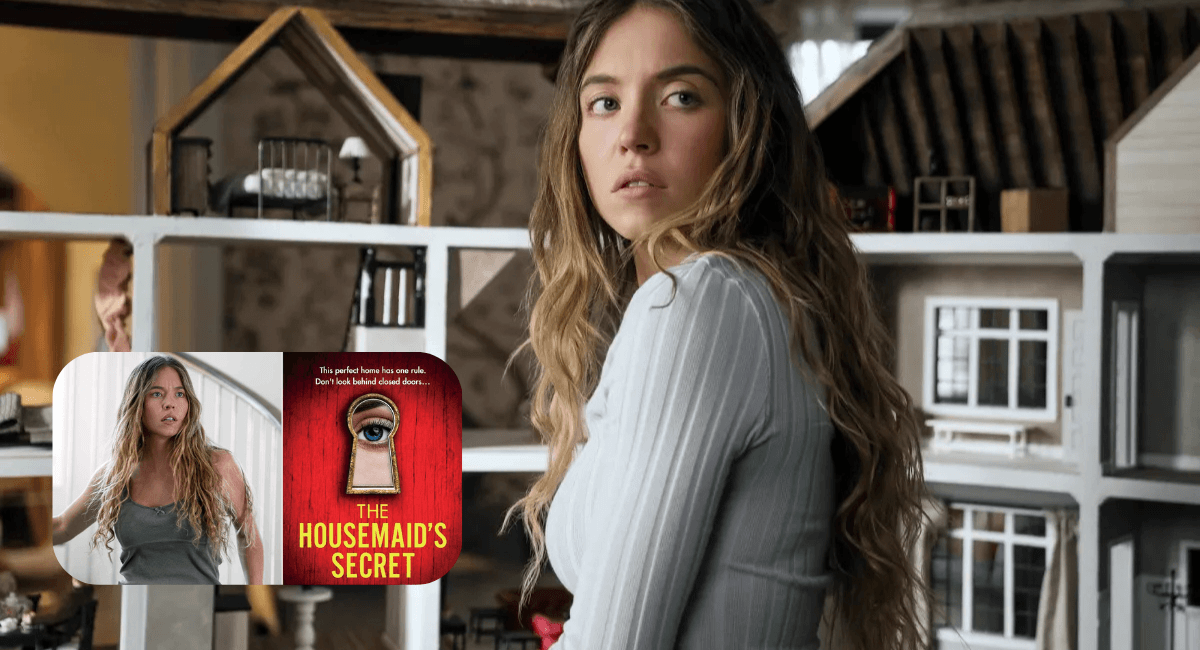
Seyfried's Public Promise at Palm Springs
At the 2026 Palm Springs International Film Festival on January 3, Amanda Seyfried made headlines with her confident prediction about The Housemaid sequel. Speaking to Variety's Marc Malkin on the red carpet, she didn't hold back.
"No one's said anything about number two, but I guarantee there will be number two," Seyfried told Variety. "And I almost guarantee that I'm gonna be some small cameo in it."
The actress went further, revealing specific knowledge about the sequel's direction. She explained the story would focus on Sydney Sweeney's Millie "working for a new family" and noted "there's so much that happens, especially with Michele's character Enzo."
Then came the most colorful part of her statement: "I really want to see how she keeps Nina Winchester in her pocket, because I will jump the fuck back into that."
That enthusiastic declaration, complete with profanity, signals more than polite interest. Seyfried appears genuinely invested in Nina Winchester's continuation, even in a limited capacity. The phrase "keeps Nina Winchester in her pocket" suggests she envisions Nina as an ongoing presence in Millie's journey, perhaps as a mentor or guiding influence.
Three days after Seyfried's comments, Lionsgate officially confirmed The Housemaid's Secret. The studio announcement named Sydney Sweeney and Michele Morrone as returning cast but made no mention of Seyfried or Brandon Sklenar, who played the abusive Andrew Winchester.
The Critical Acclaim That Makes Her Return Valuable
Understanding why Seyfried's potential cameo matters requires recognizing her impact on the first film. The Housemaid holds a 73 percent critics rating and 92 percent audience score on Rotten Tomatoes, with Seyfried's performance consistently cited as the standout element.
The Rotten Tomatoes critical consensus specifically highlights "a delightfully unnerving performance from Amanda Seyfried" as one of the film's key strengths. Multiple reviews compared her work to elevated genre performances that make pulpy material feel genuinely dangerous and psychologically complex.
Roger Ebert's review noted that "Seyfried is the star of the movie by a large margin, playing Nina's unhinged behavior to almost horror movie absurdity." That assessment captures what made her portrayal so effective: the fearless commitment to extremity balanced with underlying calculation.
What elevated Seyfried's performance was the layering required by the narrative structure. For the first half of The Housemaid, Nina appears to be a wealthy, unstable housewife who torments her young, attractive maid out of jealousy and mental illness. The performance feels deliberately over the top, with twitchy mannerisms and explosive outbursts.
Then the perspective shift happens. The film reveals Nina's backstory through her eyes, and suddenly every seemingly crazy behavior gains context and purpose. The tantrums, the impossible demands, the cruelty toward Millie all emerge as survival tactics designed to escape Andrew's control by making him want to replace her.
Seyfried navigated that tonal shift brilliantly, making the same character read completely differently upon recontextualization. It's high-wire acting that requires precise calibration between appearing genuinely unhinged and subtly signaling deeper calculation.
Losing that presence in the sequel represents a genuine creative challenge, especially for a franchise trying to maintain the twisted psychological dynamics that made the original compelling.
The Book Challenge: Nina's Minimal Role
Here's where the situation gets complicated for filmmakers. In Freida McFadden's novel The Housemaid's Secret, Nina Winchester does not play a major role. The book follows Millie as she takes a job with new wealthy employers, the Garricks, who have their own dark secrets and abusive dynamics.
The literary sequel takes place roughly a year after the first book's events. Nina has moved to California with her daughter Cecelia to start fresh, having escaped her abusive marriage to Andrew. She occasionally sends money to Millie and recommends her for housemaid positions with other wealthy families, particularly those where she suspects domestic abuse.
That's essentially it. Nina appears primarily in backstory and brief references. She doesn't share scenes with Millie. She doesn't confront new villains. Her arc concluded satisfyingly in the first book, where she successfully freed herself from Andrew's psychological and physical torture.
For a film adaptation committed to following McFadden's narrative structure, Nina's absence makes logical sense. The Housemaid's Secret shifts focus to Millie's evolution as a character who now recognizes her purpose: helping other women escape abusive situations. Nina served that function in the first story but has moved beyond needing rescue herself.
This creates tension between source fidelity and franchise continuity. The books treat each installment as largely standalone, with previous characters fading into background. Film franchises typically require more connective tissue to maintain audience investment.
Creative Pathways for Nina's Return
Despite the book's minimal use of Nina Winchester, numerous narrative pathways exist to incorporate Seyfried into The Housemaid's Secret meaningfully. The first film already departed from the novel's ending, establishing precedent for creative choices that prioritize cinematic impact over strict adaptation.
Flashback sequences could show Nina and Millie's interactions after the first film's events, establishing how Nina mentored Millie into recognizing abuse patterns. These scenes would provide emotional continuity while expanding character development absent from the book.
Phone conversations or video calls between Nina and Millie could punctuate the narrative at key moments. When Millie faces particularly dangerous situations with the Garricks, she might reach out to Nina for guidance, creating mentor and protégé dynamics that honor both characters' arcs.
A framing device could position Nina as someone Millie updates throughout the story, perhaps through journal entries or therapy sessions. This structure would allow Seyfried substantial screen time while maintaining fidelity to the sequel's focus on the Garrick household.
The film's ending could feature Nina directly, potentially showing her reaction when Millie completes her mission with the Garricks or setting up a third film where their paths cross again more substantially.
Most intriguingly, the filmmakers could diverge from the book more significantly. If The Housemaid's Secret takes creative liberties similar to the first film's ending change, Nina could play a larger role than the source material suggests. Perhaps she provides behind-the-scenes support that intersects with the main plot, or appears in entirely new scenes that expand her story.
Michele Morrone's Return Signals Expanded Roles
The confirmed return of Michele Morrone as Enzo provides important clues about how The Housemaid's Secret might handle continuity. In the first film, Morrone's character served as the Winchester groundskeeper who recognized Nina's abuse and helped orchestrate her escape.
In McFadden's sequel novel, Enzo plays a minor role, similar to Nina. Yet Lionsgate confirmed Morrone's return, suggesting the film will expand his character beyond the book's limited use. This creative choice indicates the filmmakers recognize the value of familiar faces and established relationships.
If they're willing to enlarge Enzo's role significantly, expanding Nina's part becomes even more logical. Both characters concluded their primary arcs in the first film but remain beloved by audiences. Morrone brings international appeal, particularly in European markets where 365 Days cultivated a dedicated fanbase. Seyfried brings similar value, with Oscar nominations, Emmy wins, and a reputation for elevated performances.
Together, Sweeney, Morrone, and Seyfried create a star trinity that could drive the sequel's box office performance. Losing Seyfried entirely would weaken that equation, especially given her character's iconic status within the franchise.
Director Paul Feig's Thoughtful Approach
Paul Feig's involvement as returning director suggests thoughtful handling of these continuity challenges. Feig built his reputation on ensemble comedies like Bridesmaids and Spy before pivoting to thrillers with A Simple Favor and The Housemaid.
His strength lies in balancing tones, making heightened material feel grounded through strong character work and precise direction. He understands how to service large casts, giving each actor moments to shine while maintaining narrative focus.
In discussing The Housemaid, Feig emphasized respecting McFadden's source material while acknowledging adaptation necessities. He worked closely with screenwriter Rebecca Sonnenshine to preserve the book's twists while adjusting structure and pacing for cinematic storytelling.
That collaborative approach will likely continue with The Housemaid's Secret. If Seyfried's cameo serves the story and enhances emotional stakes, Feig and Sonnenshine will find ways to incorporate her meaningfully. If forcing Nina into the narrative feels contrived, they'll resist the temptation despite the commercial appeal.
Feig's statement about audiences' response being "strong" and "audible" on social media suggests he's attuned to fan desires. The social media conversation undoubtedly includes enthusiasm for Seyfried's Nina Winchester, creating both pressure and opportunity to bring her back.
The Franchise Building Question
Seyfried's potential cameo raises larger questions about The Housemaid franchise's direction. If the filmmakers commit to adapting all of McFadden's books, they face diminishing returns on established characters.
The author has written four works in the series: The Housemaid, The Housemaid's Secret, the short story The Housemaid's Wedding, and The Housemaid Is Watching. Each entry focuses on Millie helping new women escape abusive situations, with previous characters fading into backstory.
For a film franchise, that structure presents challenges. Audiences form attachments to specific characters and dynamics. The chemistry between Sweeney and Seyfried, the twisted relationship between Millie and Nina, the gothic atmosphere of the Winchester household all contributed to the original's success.
A sequel that completely abandons those elements risks feeling disconnected, more like a spiritual successor than a true continuation. This explains why Seyfried's public commitment to returning matters so much. Her cameo, however brief, signals creative continuity and reminds audiences this is the same world, the same Millie, building on foundations established in the first film.
From a marketing perspective, Seyfried's involvement provides promotional opportunities the studio would be foolish to ignore. Trailers could tease her appearance, generating buzz among fans who connected with her performance. Promotional materials could feature both Sweeney and Seyfried, emphasizing franchise continuity even if they share minimal screen time.
The Box Office Success That Justifies Continuation
The Housemaid has earned $145 million worldwide as of January 8, 2026, with $83 million from domestic markets and $62 million internationally. Against a $35 million production budget, this represents over four times the initial investment.
The film dropped only 3 percent in its third weekend, earning $14 million domestically. That minimal decline demonstrates exceptional word-of-mouth and audience satisfaction. For comparison, Avatar: Fire and Ash dropped 43 percent during the same period.
Industry projections place The Housemaid's final global total between $210 million and $260 million based on current earning patterns. This would seal its status as one of Lionsgate's most profitable recent releases and justify additional sequels if the second film performs well.
For Lionsgate, a studio that struggled throughout 2024 with multiple box office disappointments, The Housemaid represents crucial validation. Not a single Lionsgate film in 2024 crossed $50 million domestically. The Housemaid has already surpassed $83 million domestically and continues climbing.
This success creates both opportunity and pressure for the sequel. The studio needs The Housemaid's Secret to perform well, making smart creative decisions about cast and story crucial to maintaining audience trust and commercial momentum.
The Cameo Makes Perfect Sense
From both artistic and business perspectives, Amanda Seyfried should return for The Housemaid's Secret in a limited capacity. Her performance elevated the first film immeasurably, and completely abandoning that character feels like squandering franchise assets unnecessarily.
However, the cameo approach Seyfried herself suggested represents the smartest path forward. Five to ten minutes of screen time, carefully placed at strategic moments, could accomplish multiple goals simultaneously without overwhelming the new story.
Creatively, a Nina cameo provides emotional grounding for Millie's evolution. Seeing the two women connect after the first film's traumatic events, witnessing how their shared experience changed both of them, adds depth that pure plot mechanics can't deliver. It reminds audiences why Millie now dedicates herself to helping abuse victims and where she learned to recognize danger signs.
Commercially, Seyfried's involvement generates publicity and reassures audiences that the sequel maintains quality standards. Her presence in marketing materials, even if limited, signals this isn't a quick cash grab but a thoughtful continuation worthy of the original's cast.
The key is restraint. Don't manufacture conflicts for Nina. Don't force her back into abusive situations that retread familiar ground. Instead, position her as the person who showed Millie that escape and revenge are possible, the mentor who inadvertently created a vigilante helper of endangered women.
Imagine Nina opening or closing the film, perhaps in conversation with Millie before or after the Garrick mission. Or appearing in a crucial mid-film moment when Millie wavers, reminding her what's at stake. These touches would honor the character without derailing the sequel's independent story.
I'm cautiously optimistic about the sequel's prospects but realistic about challenges. Psychological thriller sequels rarely match the original's box office performance or critical reception because the element of surprise diminishes. The first film's primary appeal stemmed from shocking twists that lose power upon repetition.
However, strong performances, tight direction, and genuine commitment to character development could overcome those inherent disadvantages. Seyfried's cameo would help minimize potential declines, maintaining enough continuity to keep invested audiences engaged while allowing new story elements to breathe.
What This Means for Future Installments
The decision about Seyfried's involvement will ripple through any subsequent Housemaid films. If The Housemaid's Secret successfully integrates her cameo, it establishes precedent for bringing back beloved characters in limited capacities throughout the franchise.
McFadden's third novel, The Housemaid Is Watching, could similarly feature brief appearances from Nina, Enzo, and characters introduced in the second film. This structure would create a shared universe where Millie's various missions connect through recurring figures who represent her network of survivors and allies.
From a franchise-building perspective, the connected universe model makes commercial sense. The Marvel Cinematic Universe, Fast and Furious franchise, and even horror series like Insidious demonstrate audience appetite for recurring characters who weave in and out of different stories. It creates depth, rewards longtime fans, and provides flexibility for spin-offs or ensemble installments.
Imagine a fourth Housemaid film that brings together multiple women Millie has helped, all confronting a larger threat or corrupt system. Nina, victims from the Garrick household, and others could unite for a cathartic finale that honors every character's journey. That possibility only works if the sequels maintain those connections rather than treating each story as completely isolated.
The Bottom Line on Seyfried's Return
Amanda Seyfried will almost certainly appear in The Housemaid's Secret in some capacity. Her public statements, the commercial sense of including the first film's breakout performer, and Lionsgate's history of actor-friendly productions all point toward her involvement.
The real questions center on execution: how much screen time will she get, and how will the film integrate her character without undermining the sequel's independent story? Based on Seyfried's own framing of "a small cameo," expect limited but impactful appearances that honor Nina's journey while spotlighting Millie's evolution.
This approach respects both the source material's narrative structure and the film franchise's need for continuity. It gives fans a taste of what they loved about the original without rehashing old dynamics. And it positions Seyfried for potential larger roles in third or fourth installments if the franchise continues.
For now, official confirmation from Lionsgate remains pending. But the smart money is on Seyfried returning. Her passion for the character, understanding of its importance to the franchise, and creative instincts all suggest she'll find her way back into Millie's world.
When The Housemaid's Secret begins production in 2026, don't be surprised if industry reports reveal Seyfried on set for brief filming. That limited commitment could generate substantial promotional buzz and remind audiences why they fell in love with this twisted, terrifying franchise.
Nina Winchester escaped her abuser and reclaimed her life. But she's not done with Millie's story yet, and based on both creative logic and commercial calculation, she shouldn't be. Great characters deserve encores, even brief ones, especially when the actress who brought them to life remains eager to return.