A Complete Beginner’s Guide To Makeup Brushes

If you’re new to makeup, learning about makeup brushes can feel overwhelming. With so many shapes, sizes, and bristle types available, it’s hard to know which brushes you really need and how to use them correctly. However, using the right brushes can make a huge difference in how your makeup looks and feels on your skin.
This beginner’s guide explains the different types of makeup brushes, their uses, and how to care for them, helping you build a basic yet effective brush collection.
Why Are Makeup Brushes Important?
Makeup brushes help apply products evenly, blend seamlessly, and create a polished finish. Using your fingers may work for some products, but brushes provide better control, precision, and hygiene. They allow makeup to sit smoothly on the skin without streaks or patches.
Types of Makeup Brushes and Their Uses
1. Foundation Brush
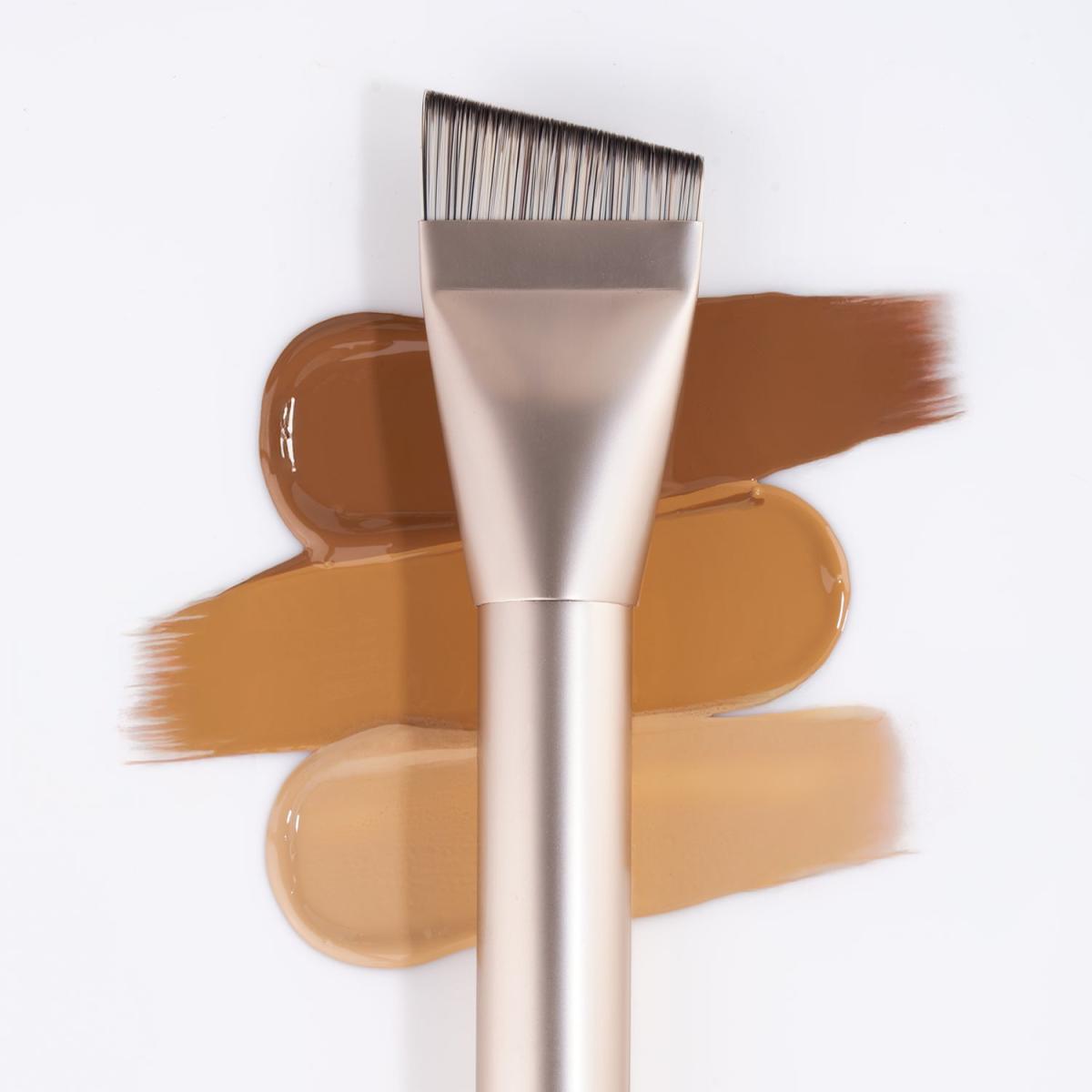
A foundation brush is designed to apply liquid, cream, or stick foundation evenly across the face. Flat foundation brushes offer full coverage, while buffing brushes create a more natural, airbrushed finish.
2. Concealer Brush
This small, dense brush is used to cover blemishes, dark circles, and redness. It helps blend concealer into the skin without disturbing foundation.
3. Powder Brush
A powder brush is large and fluffy, perfect for setting makeup with loose or compact powder. It distributes product lightly for a smooth, natural finish.
4. Blush Brush
Blush brushes are medium-sized and slightly tapered. They help apply blush evenly on the cheeks for a soft, healthy glow.
5. Contour Brush
A contour brush is angled or tapered to define cheekbones, jawline, and nose. It helps create natural-looking shadows and structure.
6. Highlighter Brush
This brush is small and fluffy, designed to apply highlighter on the high points of the face such as cheekbones, nose bridge, and cupid’s bow.
Eye Makeup Brushes
7. Eyeshadow Brush
A flat eyeshadow brush packs colour onto the eyelids, making eyeshadow appear vibrant and even.
8. Blending Brush
This fluffy brush blends eyeshadow seamlessly into the crease for a soft, diffused look.
9. Smudge Brush
A small, firm brush used to soften eyeliner or create smoky eye effects.
10. Eyeliner Brush
An angled or pointed brush helps apply gel or powder eyeliner with precision.
Synthetic vs Natural Bristles
- Synthetic brushes work best with liquid and cream products and are easy to clean.
- Natural bristle brushes are ideal for powder products and offer softer blending.
Most beginners find synthetic brushes more versatile and affordable.
How to Clean Makeup Brushes
Clean makeup brushes regularly to prevent bacteria buildup and skin breakouts.
Simple Cleaning Steps
- Rinse brushes under lukewarm water
- Use gentle shampoo or brush cleanser
- Gently massage bristles
- Rinse and squeeze out excess water
- Lay flat to dry
Clean brushes every 1–2 weeks for best results.
How Many Makeup Brushes Do Beginners Need?
You don’t need a huge collection to start. A basic beginner kit includes:
- Foundation brush
- Powder brush
- Blush brush
- Eyeshadow brush
- Blending brush
These five brushes can help you create complete everyday makeup looks.
Final Thoughts
Learning how to use makeup brushes correctly can instantly improve your makeup application. With the right tools and a little practice, you can achieve smooth blending, even coverage, and professional-looking results. Whether you’re creating a simple daily look or experimenting with new styles, investing in quality makeup brushes is the first step toward flawless makeup.