Alcoholic Liver Disease Treatment: Steps That Slow Or Stop Cirrhosis

Usually people don't just walk in and say, "I believe I have cirrhosis." They typically come in because they're tired all the time, their stomach seems bloated, or a family member has noticed that their eyes are turning yellow. Most of the time alcohol is involved, but it's not the main talk initially. Only later does the discussion turn to alcoholic liver disease treatment, the seriousness of the condition, and what the treatment of cirrhosis realistically looks like.
Treatment of Cirrhosis Is About Control, Not Reversal
Cirrhosis refers to the liver becoming scarred. Such scarring remains. This is the main issue patients find difficult to accept when they inquire about a Cirrhosis of the liver cure. Basically, medicine can only slow the progression, prevent the occurrence of complications, and extend life, sometimes for years, if there is a complete cessation of alcohol consumption.
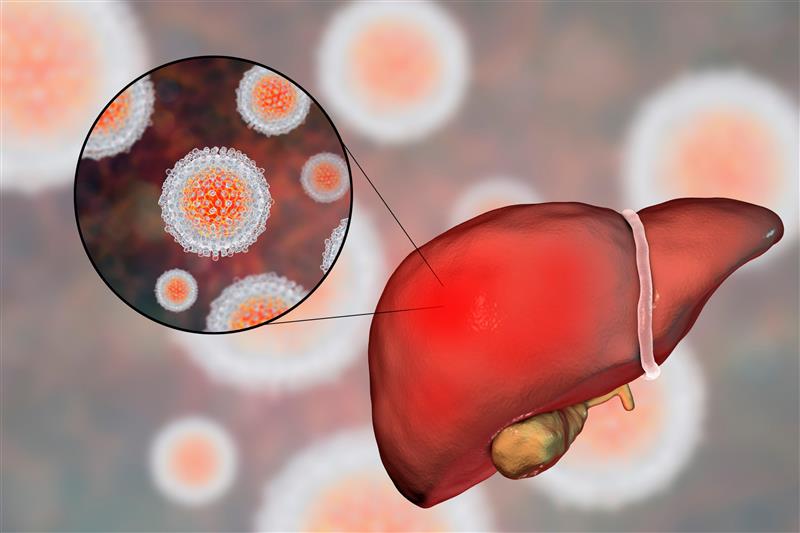
The liver is resilient, but only when the injury stops. In alcohol-related disease, continuing to drink cancels out every medical effort. That’s why the first step in alcoholic liver disease treatment is absolute alcohol cessation, not medication.
What Alcoholic Liver Disease Treatment Looks Like in Real Life
Once alcohol is removed from the equation, treatment is feasible and continuous. The liver is the main focus of the doctors who try to keep it in the best shape possible, and they are constantly looking for complications that may suddenly arise.
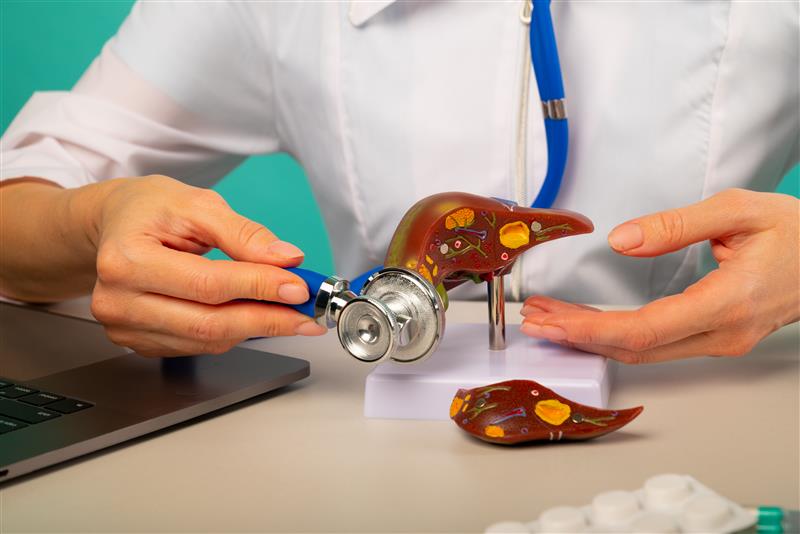
Typical Treatment of cirrhosis includes:
- Managing fluid buildup and swelling
- Preventing internal bleeding from enlarged veins
- Correcting nutritional deficiencies
- Monitoring mental confusion linked to liver dysfunction
This is not a one-time solution but long-term management with regularly scheduled checkups and adjustments. Some patients stabilize. Others progress despite doing everything right.
When Cirrhosis of the Liver Cure Means Transplant
In the most severe cases, people suffering from cirrhosis of the liver come to the point when they ask the question directly: Is there a cure for cirrhosis of the liver? Frankly, the truth remains that only a liver transplant can completely substitute a liver that is failing. Until that point, Alcoholic liver disease treatment India aims to keep the patient healthy enough to qualify for transplantation, if needed.

Doctors don’t rush this conversation. This may happen when complications multiply, or the liver function keeps deteriorating even after appropriate care.
Conclusion: Timing Makes the Difference
Alcohol liver cirrhosis doesn't happen instantly; these are years of liver damage that have accumulated. The best outcome of treatment of cirrhosis is when it is initiated early, and the patient is committed. Although transplantation is the only real cure for cirrhosis of the liver, prompt alcoholic liver disease treatment can delay its progression, prevent hospital admissions, and give patients a decent time. Even though the liver has been damaged, the results largely depend on what is done afterward.