Architectural Intelligence And The Evolution Of Modern Sensory Corridors

The rapid growth of integrated technology has profoundly changed the way that the architectural zones of transition are viewed within the luxury condominiums of the past. The art of mastering the art of hallway interior design will ensure that these often used passageways are more than mere connectors for the purpose of being. The 2026 primary focus is on creating an ethereal experience that makes use of tactile textures and adaptive lighting to help guide the mind's subconscious. In a way, by treating the corridor as a gallery of spatial experiences designers can greatly improve the psychological well-being of the people who live in the structure.
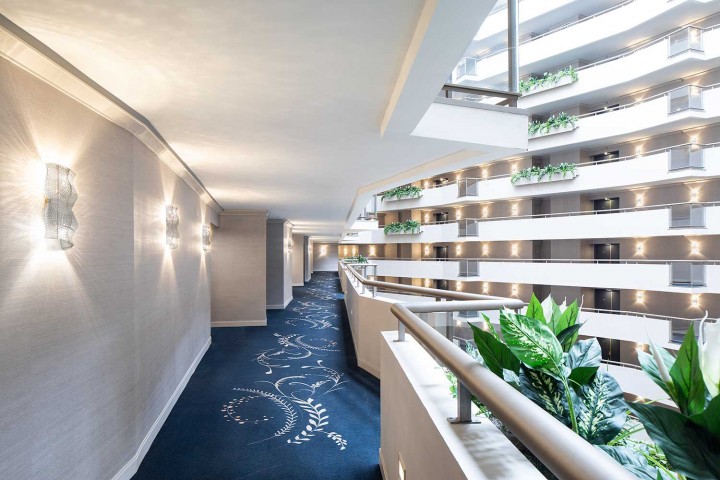
Adaptive Lighting Systems and Predictive Spatial Ambience
The current method of lighting passageways has shifted away from traditional overhead fixtures and has embraced AI-driven response. Smart sensors are now calibrating the the LED strip's temperature according to the time of day, synchronizing with the circadian rhythm of humans to increase alertness or relax. This innovative use of hallway design assists in easing that transitional period between lively urban energy and the quiet sanctuary of a condo. When light is synchronized with the movements of an individual and creates a personalised sequence of lighting that feels as if it's futuristic and incredibly intuitive.
Biophilic Resonance and Sustainable Material Innovation
Contemporary corridors in a luxury condominium are increasingly featuring living walls as well as organic mineral finishes in order to create the connection to the natural world. Vertical gardens coupled with reclaimed wood panels offer natural acoustic insulation while also filtering the air to create a more calming interior. This biophilic approach transforms narrow spaces into living architectural elements, which reduce emotional stress commonly encountered in urban environments. Utilizing stone-based veneers or clay paints with texture provide a tactile element that encourages interaction, and ensures that the space is rooted and real, rather than bland and uninspiring.
Algorithmic Ergonomics and the Logic of Hidden Storage
Spatial efficiency has risen to new levels thanks to algorithmic planning, which identifies areas that are not being utilized for efficient storage solutions. In modern-day condos the walls no longer function as merely flat barriers but functional spaces that contain built-in seating, or concealed cabinets to store seasonal items. These design elements maintain an uncluttered aesthetic, while also providing the most efficient "drop zones" for keys and personal electronics close to the entryway. Through optimizing physical space using layouts that are driven by data, the corridor is still open and fluid, which allows the architecture to breathe while not compromising the necessities of residents.
Curated Narratives Through Interactive Digital Artistry
The final component of a progressive entry experience is the utilization of high-resolution digital canvas as well as projection mapping, which creates a moving art gallery. As opposed to static artworks they can alter themes depending on the seasons or the particular atmosphere of the condo community. Integrating these dynamic hallway interior design elements enables a building to stay timeless while remaining in the forefront of technological trends. This combination of art and technological innovation guarantees that every step down the corridor is an unforgettable experience of beauty and creativity.