Are All Skin Moles Eligible For Mole Removal ?

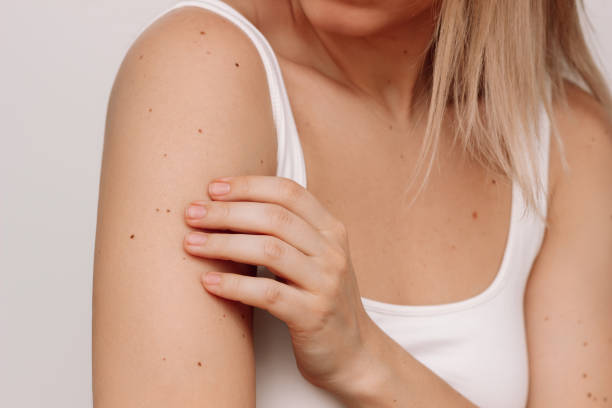
Moles are common skin growths that appear on various parts of the body. They are typically brown or black and can be flat or raised. While most moles are benign and harmless, their appearance and location can sometimes cause concern or discomfort. When it comes to Mole Removal in Abu Dhabi, it's important to recognize that not all skin moles may be suitable candidates for removal procedures.
Factors That Determine Mole Removal Eligibility
Nature of the Mole
Benign Moles
Most moles are benign, meaning they are harmless and pose no health risks. These are usually stable in size, shape, and color over time. For benign moles, removal is often considered for cosmetic reasons or if they become irritated.
Atypical or Dysplastic Moles
Some moles show irregular features such as uneven borders, multiple colors, or larger sizes. These atypical moles may require further evaluation before removal to rule out any potential risks.
Suspicious or Malignant Moles
Moles exhibiting signs of malignancy, such as asymmetry, irregular borders, multiple colors, or rapid changes, are not eligible for simple removal procedures without prior diagnosis. Such moles need thorough examination and possibly biopsy to determine if they are skin cancer.
Size and Location of the Mole
Smaller moles are generally easier to remove, and their location also influences eligibility. Moles situated in areas with delicate skin, near vital structures, or in places prone to frequent friction might require special consideration.
Skin Type and Overall Health
An individual’s skin type and health condition can affect the suitability for mole removal. Those with certain skin conditions or sensitivities might need tailored approaches, and their overall health status can influence the choice of removal technique.
Types of Mole Removal Procedures
Surgical Excision
This method involves cutting out the entire mole along with a small margin of surrounding tissue. It is often used for larger or suspicious moles and requires stitches. Suitable for most benign and some atypical moles.
Shave Excision
In this technique, the mole is shaved off with a blade flush with the skin surface. It’s typically used for raised, non-cancerous moles that are small and superficial.
Laser Removal
Laser technology targets pigment in the mole, causing it to fade and disappear. This method is often preferred for cosmetic reasons and for moles in sensitive areas.
Considerations for Eligibility
The choice of removal technique depends on the mole's characteristics and the practitioner's assessment. Some moles may require more invasive approaches, while others are suitable for less invasive methods.
When to Seek Professional Evaluation
Changes in Moles
Any new, changing, or evolving moles should be examined by a professional before considering removal.
Cosmetic Concerns
Individuals who are self-conscious about their moles or find them aesthetically displeasing might opt for removal, provided their moles are deemed suitable candidates.
Discomfort or Irritation
Moles that cause discomfort, irritation, or snagging on clothing or jewelry may be good candidates for removal.
Prior Diagnosis
Moles with suspicious features should undergo a thorough evaluation before removal, ensuring that the process does not overlook potential health risks.
Common Myths About Mole Removal
All Moles Are Suitable for Removal
Not every mole is suitable for removal, especially if it shows signs of malignancy or has complex features requiring special attention.
Removal Will Always Be Cosmetic
While many seek removal for cosmetic reasons, the primary concern should always be health and safety. Proper assessment ensures removal is safe and appropriate.
Once Removed, a Mole Will Not Return
In some cases, moles may recur if not completely removed, emphasizing the importance of choosing qualified professionals for the procedure.
FAQs About Mole Removal Eligibility
Can any mole be removed?
Most benign, non-suspicious moles can be removed, but moles with irregular features or signs of potential malignancy require prior evaluation.
Is there a risk in removing all types of moles?
Removal procedures are generally safe, but not all moles are suitable candidates. A professional assessment helps determine the best approach.
Will removing a mole leave scars?
Scarring depends on the removal technique and individual skin healing. Experienced practitioners aim to minimize scars for cosmetic results.
How do I know if my mole needs removal?
If a mole causes discomfort, changes over time, or you dislike its appearance, consulting a specialist can help determine if removal is appropriate.
What should I do before considering mole removal?
A thorough examination and consultation are essential to assess the mole's nature and decide on the most suitable removal method.
Conclusion
While Mole Removal Abu Dhabi offers options for those seeking to eliminate unwanted or problematic moles, it’s essential to recognize that not all skin moles are eligible for removal. Proper evaluation by a qualified professional ensures that the procedure is safe and appropriate for each individual case. Understanding the nature of the mole, its location, and overall health considerations can help determine the best approach. Whether motivated by cosmetic concerns or health reasons, professional assessment remains the cornerstone of effective and safe mole removal.
READ MORE : Can Mole Removal Improve Facial Appearance?