Are Ceramic Braces Less Painful During Treatment?

Ceramic braces Abu Dhabi have gained popularity among individuals seeking a discreet yet effective way to straighten their teeth. They are often chosen by those who want a cosmetic alternative to traditional metal braces. One common concern among potential users is the level of discomfort or pain experienced during treatment. While no orthodontic procedure is entirely pain-free, many patients wonder if ceramic braces tend to be less painful than other options. Understanding the factors that influence discomfort during orthodontic treatment can help individuals make informed decisions and prepare better for their journey toward a beautiful smile.
Understanding Ceramic Braces
What Are Ceramic Braces?
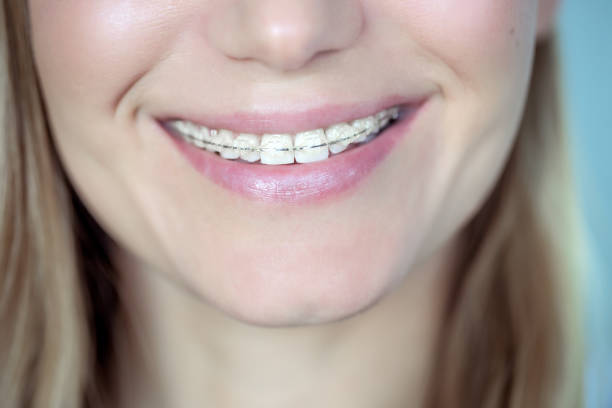
Ceramic braces are a type of orthodontic appliance designed to correct dental alignment issues. They consist of brackets made from tooth-colored or clear ceramic material that blend seamlessly with the natural teeth. These brackets are bonded to the teeth and connected with archwires, which apply gentle pressure to move teeth into proper positions.
How Do They Differ from Traditional Metal Braces?
Unlike traditional metal braces, ceramic braces are less visible due to their tooth-colored appearance. They offer a more aesthetic appeal, making them particularly popular among adults and teens concerned about their appearance during treatment.
Are Ceramic Braces Less Painful?
The Nature of Discomfort During Orthodontic Treatment
Discomfort during orthodontic treatment is usually caused by the pressure exerted by braces and wires as they move teeth into new positions. This sensation is most intense after adjustments and can last for a few days. The level of pain varies from person to person, influenced by factors like individual pain thresholds and the complexity of the dental correction.
Do Ceramic Braces Reduce Discomfort?
Research indicates that ceramic braces tend to produce a similar level of discomfort as traditional metal braces. The primary reason is that both types of braces use comparable mechanisms to apply pressure to teeth. However, some patients report that ceramic braces feel smoother or less irritating to the soft tissues inside the mouth, potentially resulting in a perception of less pain.
Factors That May Influence Discomfort Levels
Bracket Material and Surface Texture: Ceramic brackets often have a smoother surface, which can reduce irritation to the cheeks and gums.
Archwire Adjustments: The tension applied during adjustments is a significant factor in discomfort, regardless of the bracket type.
Oral Hygiene and Care: Maintaining good oral hygiene can prevent additional soreness caused by inflammation or irritation.
Advantages of Ceramic Braces in Reducing Pain
Smoother Surface and Fewer Irritations
Ceramic brackets generally have a smoother surface compared to metal brackets, which may lead to less soft tissue irritation and a more comfortable experience during treatment.
Less Noticeable Presence
While this does not directly affect pain levels, the aesthetic advantage of ceramic braces can make patients feel more comfortable psychologically, reducing stress or anxiety related to treatment discomfort.
Gentle Force Application
Modern ceramic braces are designed to apply gentle, consistent pressure, which can help minimize sudden or intense discomfort that sometimes occurs with other orthodontic options.
Tips to Minimize Discomfort During Treatment
Choose a skilled orthodontist: Proper installation and adjustments can make a significant difference in comfort.
Follow dietary recommendations: Avoiding hard or sticky foods reduces strain on the braces and soft tissues.
Use orthodontic wax: Applying wax on brackets can prevent irritation and soreness.
Maintain excellent oral hygiene: Keeping teeth and gums healthy can prevent additional discomfort caused by inflammation.
Use recommended pain relief options: Over-the-counter remedies may help manage mild soreness after adjustments.
Common Concerns About Pain During Ceramic Braces Treatment
Is the initial placement painful?
Most patients experience some discomfort during the placement of ceramic braces, similar to other orthodontic appliances. The sensation of pressure and tightness is common but usually subsides within a few days.
Does pain decrease over time?
Many individuals find that discomfort diminishes as they get used to the braces. Regular adjustments may cause temporary soreness, but this tends to lessen with each appointment.
Are there any differences in pain with different types of adjustments?
Adjustments involving tightening or replacing wires can cause increased sensitivity, regardless of the brace type. However, the smoother surface of ceramic brackets may contribute to slightly reduced soft tissue irritation during these times.
Frequently Asked Questions about Ceramic Braces in Abu Dhabi
How long does the discomfort last?
Discomfort generally peaks within the first few days after an adjustment and gradually decreases over the following week. Proper care and following orthodontist advice can help minimize this duration.
Can I eat normally during treatment?
While some foods may cause discomfort or damage the braces, most individuals can continue eating a balanced diet by avoiding particularly hard, sticky, or chewy foods.
Are ceramic braces more comfortable than other options?
While ceramic braces are designed to be gentle, comfort levels vary based on individual factors. They tend to be comparable in comfort to traditional braces but may feel smoother against soft tissues.
How can I make my treatment more comfortable?
Following the orthodontist’s instructions, maintaining good oral hygiene, and using over-the-counter pain relievers as recommended can help improve comfort during treatment.
Conclusion
While ceramic braces in Abu Dhabi offer a more discreet aesthetic, their level of discomfort during treatment is generally similar to that of traditional metal braces. Many users find that the smoother surface and gentle application of pressure can contribute to a more comfortable experience. Proper care, professional guidance, and patience are key to managing any discomfort and achieving a successful orthodontic outcome. Ultimately, choosing ceramic braces can provide a balance of effective teeth straightening and aesthetic appeal with manageable levels of pain, making them a popular choice for many seeking orthodontic treatment.
READ MORE : Do Ceramic Braces Work Faster Than Metal Ones?