Are Dark Circles Common Across Different Skin Types?

Dark circles under the eyes are a concern that transcends age, gender, and ethnicity. Many people notice that no matter how much rest they get or how healthy their lifestyle is, those shadowy areas persist. Understanding whether dark circles are common across different skin types is essential for selecting the right approach for treatment. Dark Circles Treatment in Dubai, advanced aesthetic solutions like Dark Circles Treatment in Dubai are specifically designed to address various causes of dark circles while considering individual skin characteristics.
How Skin Type Affects Dark Circles
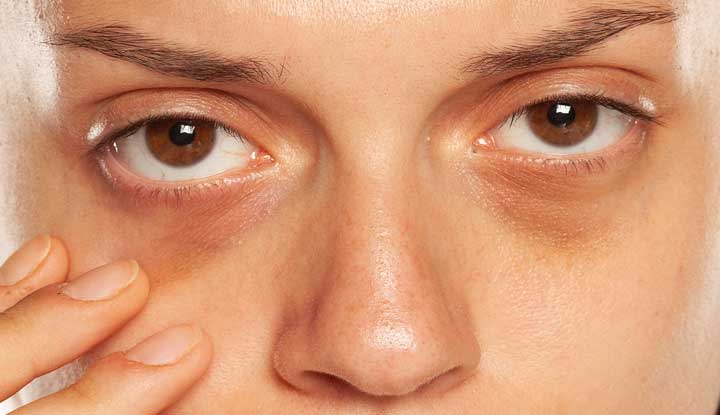
Dark circles can appear differently depending on one’s skin type. People with lighter skin often notice bluish or purple shadows caused by visible blood vessels beneath the thin under-eye skin. In contrast, individuals with darker skin tones are more prone to hyperpigmentation, where the skin under the eyes develops a brown or gray tint. This pigmentation can be due to an overproduction of melanin or inflammation, and it may be exacerbated by sun exposure, aging, or even rubbing the eyes frequently.
Causes Across Skin Types
While the underlying causes of dark circles can overlap, skin type can influence how noticeable they are and what treatment works best. Common contributors include:
Genetics: Hereditary factors play a significant role. Some people naturally have thinner skin under the eyes or more visible veins, leading to persistent dark circles regardless of age.
Aging: As we age, the skin loses elasticity and fat, making the under-eye area more hollow and creating shadowing that can accentuate dark circles.
Lifestyle Factors: Lack of sleep, stress, dehydration, and poor diet affect all skin types, but the visual impact may vary depending on pigmentation and skin thickness.
Sun Exposure: UV rays can worsen hyperpigmentation, especially in medium to darker skin types, making dark circles more pronounced.
Appearance Variations
Different skin types often display unique patterns of dark circles. For example:
Fair skin may show bluish or purplish discoloration.
Olive skin can have a mix of blue and brown hues under the eyes.
Darker skin tones may show brown or gray pigmentation that appears more stubborn and resistant to some topical treatments.
Recognizing these differences helps dermatologists and aesthetic professionals recommend the most effective treatments tailored to each individual’s needs.
Treatment Options for All Skin Types
Fortunately, effective treatments exist for every skin type, and selecting the right method often depends on the cause rather than just the skin tone.
Topical Treatments
Creams and serums containing ingredients like vitamin C, niacinamide, peptides, or retinol can help reduce pigmentation, improve skin thickness, and enhance collagen production. While these treatments are gentle and suitable for most skin types, those with darker skin may require formulations specifically designed to prevent irritation or uneven pigmentation.
Under-Eye Fillers
For hollow under-eyes causing shadows, fillers are an excellent solution. Hyaluronic acid-based fillers restore volume, minimizing the appearance of dark circles. This method works across all skin types since it addresses the structural cause rather than pigmentation alone.
Laser and Light Therapies
Laser treatments are particularly effective for pigmented dark circles in medium to darker skin types. Non-ablative lasers can target melanin while promoting collagen growth, reducing both pigmentation and fine lines. IPL therapy can also be customized to suit different skin tones and treat superficial pigmentation effectively.
Chemical Peels
Mild chemical peels are another option that can work for different skin types, especially for pigmentation-related dark circles. Peels like lactic acid or low-strength glycolic acid exfoliate the skin, encouraging cell turnover and gradually lightening dark patches without causing irritation.
Preventive Measures
Dark circles are easier to prevent than treat, and measures like getting sufficient sleep, staying hydrated, maintaining a healthy diet, and avoiding excessive sun exposure are critical. Using a sunscreen suitable for under-eye areas can help prevent hyperpigmentation from worsening, particularly in medium to darker skin types.
Combination Treatments for Best Results
For those seeking long-lasting improvements, combination treatments are often recommended. Addressing both volume loss and pigmentation simultaneously can lead to the most noticeable and satisfying outcomes. Many residents in Dubai prefer a tailored approach that combines topical care, fillers, and laser therapy for comprehensive results.
Conclusion
Dark circles are indeed common across different skin types, but the way they appear and respond to treatment varies depending on pigmentation, skin thickness, and genetics. Choosing a solution based on the underlying cause rather than just the appearance ensures better results. For those looking for a reliable, customized approach, Best Dark Circles Treatment in Dubai offers targeted solutions to suit every skin type, helping individuals achieve a refreshed and youthful look.