Are Dermal Fillers Injections Reversible?

If you are considering cosmetic enhancements, Dermal Fillers Injections in Dubai have become one of the most popular non-surgical options to restore facial volume, smooth wrinkles, and enhance overall appearance. However, one common question that arises is whether these treatments are reversible. Understanding how dermal fillers work, their safety, and the options available for reversal is essential before making any decisions. This guide will break down the reversibility of dermal fillers and provide insights into how you can safely achieve your desired look.
How Dermal Fillers Work
Dermal fillers are gel-like substances injected beneath the skin to restore lost volume, smooth lines, or enhance facial features. The most commonly used fillers are based on hyaluronic acid, a naturally occurring substance in the body that helps maintain skin hydration and elasticity. Other types of fillers include calcium hydroxylapatite, poly-L-lactic acid, and permanent fillers, each with unique properties and longevity.
Hyaluronic acid fillers are temporary, typically lasting between six months to two years, depending on the treatment area and the individual’s metabolism. Because of their temporary nature, these fillers provide flexibility, allowing individuals to experiment with their appearance without long-term commitment.
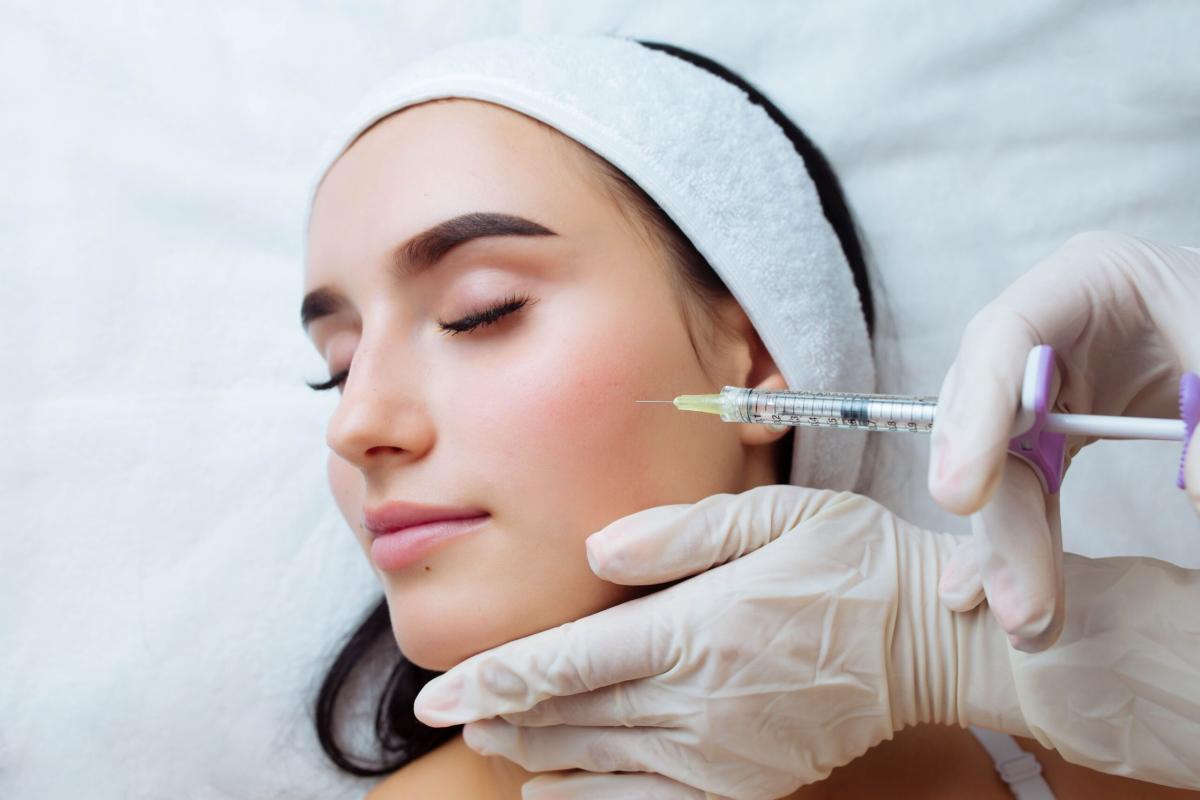
Are Dermal Fillers Reversible?
The short answer is yes—but primarily for hyaluronic acid-based fillers. One of the major benefits of hyaluronic acid fillers is their reversibility using a specialized enzyme called hyaluronidase. This enzyme can break down the filler, allowing for corrections if the results are unsatisfactory, asymmetrical, or if complications arise.
How Reversal Works
When hyaluronidase is injected into the treated area, it rapidly dissolves the hyaluronic acid, often within 24 to 48 hours. This provides peace of mind for those hesitant about committing to long-term facial changes. The procedure is relatively straightforward and performed by trained professionals to ensure natural results while minimizing any risks.
However, it’s important to note that not all dermal fillers are reversible. Non-hyaluronic acid fillers, such as poly-L-lactic acid or permanent fillers, cannot be dissolved with an enzyme. If complications occur with these types, alternative corrective procedures may be necessary, which could include minor surgery or laser treatments.
Common Reasons for Reversal
There are several scenarios where someone might consider reversing dermal fillers:
Unsatisfactory results: Sometimes, the filler may not deliver the desired aesthetic outcome or may appear uneven.
Complications: Swelling, lumps, or allergic reactions may prompt the need for correction.
Lifestyle changes: Personal preferences or changes in facial aesthetics may lead to a decision to reverse the treatment.
Knowing that hyaluronic acid fillers are reversible gives patients confidence and control over their cosmetic journey.
Safety Considerations
While dermal fillers are generally considered safe, reversibility adds an extra layer of reassurance. Choosing a professional experienced in facial anatomy is crucial, especially if you anticipate the potential need for reversal. Proper technique minimizes risks such as infection, vascular complications, or asymmetry.
Additionally, understanding that fillers are temporary—even without reversal—can help manage expectations. The body gradually metabolizes the product, meaning results naturally diminish over time if you decide not to reverse them.
Tips for a Safe and Satisfying Experience
Research and consult: Always seek advice from certified professionals with experience in aesthetic treatments.
Know the filler type: Ensure the product is hyaluronic acid-based if you want the option of reversibility.
Follow post-treatment care: Proper aftercare reduces the likelihood of complications.
Monitor results: Keep track of your results and schedule follow-ups to discuss adjustments if needed.
Final Thoughts
Understanding the reversibility of dermal fillers can significantly ease the decision-making process for anyone considering facial enhancements. While Dermal Fillers Injections are largely safe and effective, knowing that hyaluronic acid-based options can be reversed provides a valuable safety net for peace of mind. Whether you’re enhancing lips, cheeks, or jawlines, the ability to make adjustments ensures you achieve results that feel natural, confident, and uniquely yours.