Are Ergonomic Office Customer Chairs Necessary For Waiting Areas?

Waiting areas are often the first physical interaction customers, clients, or visitors have with a business. Whether it’s an office reception, clinic, showroom, or corporate lobby, the seating you provide silently communicates your brand values. While many businesses focus on aesthetics alone, comfort and functionality are equally important. This is where ergonomic office chairs come into the picture.
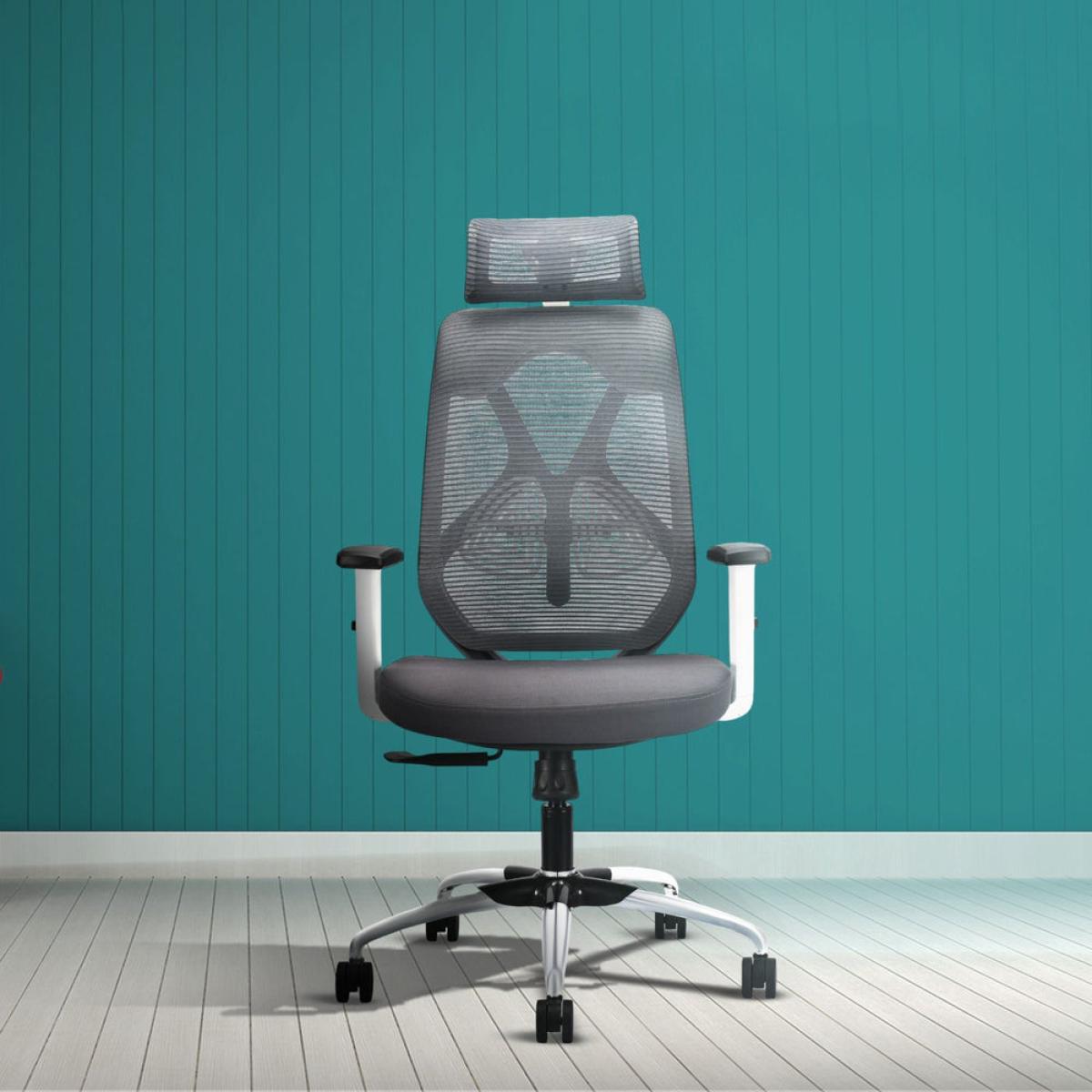
But are ergonomic chairs truly necessary for waiting areas, or are they just an added expense? Let’s explore their importance, benefits, and how they impact both customer experience and business perception.
Understanding Ergonomic Office Customer Chairs
Ergonomic office customer chairs are designed to support the natural posture of the human body. Unlike traditional visitor chairs that may prioritize style over comfort, ergonomic chairs focus on:
- Proper back support
- Comfortable seating angles
- Pressure distribution
- Stability and durability
These features ensure that people sitting for extended periods do not experience discomfort, stiffness, or fatigue.
Why Waiting Area Seating Matters More Than You Think
Many businesses underestimate the role of seating in shaping customer impressions. Waiting can sometimes be stressful — especially in environments like hospitals, banks, or service centers. Comfortable seating can significantly reduce this stress.
Poor seating, on the other hand, can create frustration, discomfort, and even negative perceptions about your professionalism.
When visitors feel physically comfortable, they are more likely to feel relaxed and patient during waiting times.
Key Benefits of Ergonomic Office Customer Chairs in Waiting Areas
1. Enhanced Comfort for Visitors
Comfort is the primary advantage of ergonomic chairs. Waiting times are unpredictable — sometimes lasting a few minutes, sometimes much longer.
- Ergonomic chairs provide:
- Proper lumbar support
- Balanced seat cushioning
- Comfortable arm placement
This ensures visitors remain relaxed even during longer waits.
2. Positive First Impressions
Your waiting area reflects your brand image. Stylish yet ergonomic office customer chairs show that your business cares about visitor comfort.
Customers often associate comfortable environments with professionalism, reliability, and attention to detail.
Simply put, good seating creates a welcoming atmosphere.
3. Reduced Physical Discomfort
Traditional waiting chairs often cause:
- Back pain
- Neck stiffness
- Poor posture
Ergonomic designs minimize these issues by supporting natural body alignment.
This is especially important for elderly visitors, patients, or professionals who may already spend long hours sitting.
4. Improved Customer Experience
Comfortable seating directly influences overall customer satisfaction.
When visitors feel comfortable, they are more patient, less stressed, and more receptive during their interaction with your business.
This improves service perception — even before the actual service begins.
5. Durability and Long-Term Value
Ergonomic office customer chairs are typically built with higher-quality materials and sturdy construction.
This means:
- Longer lifespan
- Lower maintenance costs
- Better resistance to wear and tear
While the initial investment may be higher, they provide better long-term value compared to cheaper alternatives.
When Are Ergonomic Chairs Especially Necessary?
Not all waiting areas require the same level of seating comfort. However, ergonomic chairs become particularly important in places where:
- Waiting times are long
- Visitors include elderly individuals
- Customer comfort directly impacts satisfaction
- High foot traffic demands durable seating
Examples include hospitals, corporate offices, banks, government offices, and consulting firms.
Ergonomics vs Aesthetics: Finding the Right Balance
Many businesses worry that ergonomic chairs may not match their interior design.
Fortunately, modern ergonomic office customer chairs are available in a variety of:
- Stylish designs
- Colors and finishes
- Materials like mesh, leatherette, or fabric
This allows businesses to combine comfort with visual appeal.
A well-designed waiting area should balance both aesthetics and functionality.
Cost Considerations: Are They Worth the Investment?
Some businesses hesitate to invest in ergonomic seating due to higher upfront costs.
However, when you consider:
- Customer satisfaction
- Brand image
- Durability
- Reduced replacement expenses
Ergonomic chairs often prove to be a cost-effective choice in the long run.
They are not just furniture — they are part of your customer experience strategy.
How to Choose the Right Ergonomic Office Customer Chairs
When selecting chairs for waiting areas, consider the following:
1. Back Support: Look for chairs with proper lumbar support.
2. Seat Cushioning: Ensure comfortable padding without being too soft.
3. Stability: Choose sturdy frames and non-slip bases.
4. Easy Maintenance: Materials should be easy to clean and durable.
5. Space Efficiency: Chairs should fit well without overcrowding the area.
The Psychological Impact of Comfortable Seating
Comfortable seating also influences visitor psychology.
When people feel physically comfortable:
- Stress levels decrease
- Waiting feels shorter
- Overall satisfaction increases
This creates a positive emotional connection with your business environment.
Final Verdict: Are Ergonomic Office Customer Chairs Necessary?
While they may not be mandatory for every waiting area, ergonomic office customer chairs are highly recommended for businesses that prioritize customer experience, professionalism, and long-term value.
They go beyond basic seating by offering comfort, support, and a welcoming atmosphere that leaves a lasting positive impression.
In today’s competitive business environment, even small details like waiting area chairs can make a significant difference.
Conclusion
Ergonomic office customer chairs are not just about comfort — they are about enhancing the overall customer journey. From improving posture and reducing discomfort to strengthening brand perception, these chairs play a vital role in modern waiting areas.
Investing in ergonomic seating is ultimately an investment in customer satisfaction, business reputation, and long-term operational efficiency.