Azelaic Acid For Melasma Treatment Wins

Melasma creates stubborn brown or grayish patches on the face, often triggered by sun exposure, hormones, or genetics. melasma treatment in riyadh This common skin condition affects millions, leaving many frustrated with uneven tone and confidence dips. Imagine waking up to flawless skin after targeted care— that's the promise of effective solutions.
What makes melasma tricky? It thrives in sunlit areas like cheeks, forehead, and upper lip, mimicking a mask-like pattern. Hormonal shifts during pregnancy or birth control amplify it, while heat and irritation worsen the spread. Early intervention prevents deepening pigmentation, turning a cosmetic concern into a manageable one.
Melasma Treatment in Riyadh : Spotlight on Azelaic Acid
In bustling Riyadh, where sunny days dominate, Melasma Treatment in Riyadh draws keen interest for its tailored approaches. Melasma Treatment in Riyadh often highlights gentle, effective ingredients like azelaic acid, blending modern dermatology with local skincare needs. This powerhouse stands out for fading discoloration without harsh side effects.
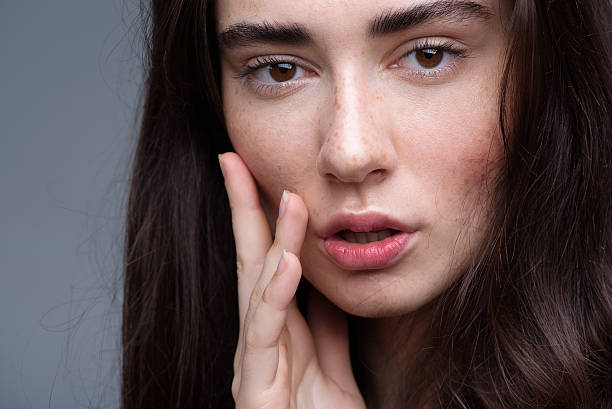
Azelaic acid, derived from grains like barley and wheat, works as a multitasker. It inhibits melanin production—the pigment behind dark spots—while fighting inflammation and bacteria. Studies show 15-20% concentrations rival hydroquinone but with fewer risks, making it a win for sensitive skin.
How Azelaic Acid Targets Melasma Effectively
Azelaic acid dives deep into skin cells, blocking tyrosinase, the enzyme fueling melanin overdrive. Unlike aggressive peels, it gently exfoliates, revealing brighter layers over time. Users notice fading patches in 4-8 weeks, with consistent use building lasting clarity.
Picture this: a busy Riyadh professional applies a lightweight cream at night, dodging the day's UV rays. The acid's anti-inflammatory punch calms redness, ideal for melasma linked to rosacea. Its antibacterial properties also clear pores, preventing acne that could darken spots further.
Benefits Beyond Fading Pigmentation
Gentle on All Skin Tones: Safe for olive and deeper tones common in the region, avoiding post-inflammatory hyperpigmentation.
Pregnancy-Friendly Option: Unlike retinoids, it's suitable for expecting mothers battling "mask of pregnancy."
Anti-Aging Bonus: Smooths texture and reduces fine lines, delivering a youthful glow.
Minimal Irritation: Builds tolerance quickly, unlike stinging alternatives.
Incorporating Azelaic Acid into Your Routine
Start simple: cleanse, apply a pea-sized amount of 15-20% azelaic acid serum or cream, then moisturize. Morning routines pair it with broad-spectrum SPF 50+—crucial in Riyadh's intense sun. Nighttime layers it under soothing hyaluronic acid for hydration.
Pro tip: Patch test first, as mild tingling is normal. Combine with vitamin C for amplified brightening or niacinamide to soothe. Consistency trumps intensity; daily use yields visible wins without overwhelming skin.
Step-by-Step Application Guide
Cleanse Gently: Use a mild, non-foaming cleanser to prep skin.
Apply Azelaic Acid: Dab on affected areas, avoiding eyes.
Seal with Moisturizer: Lock in benefits with ceramide-rich cream.
Daytime Protection: Layer sunscreen to shield gains.
Comparing Azelaic Acid to Other Melasma Fighters
Hydroquinone fades fast but risks irritation and ochronosis with long-term use. Retinols speed cell turnover yet irritate dry skin. Corticosteroids calm quickly but thin skin over time. Azelaic acid balances efficacy and safety, often in triple combos like Kligman's formula.
In clinical trials, 20% azelaic acid matched 4% hydroquinone after 24 weeks, with better tolerance. For Riyadh residents, its stability in heat makes it practical—no fridge needed.
Lifestyle Tweaks to Boost Azelaic Acid Results
Sun is melasma's archenemy; Riyadh's climate demands hats, umbrellas, and UPF clothing. Diet matters too—antioxidant-rich foods like berries and greens curb melanin. Stress management via yoga or walks reduces hormonal flares.
Common Mistakes to Dodge
Over-applying: More isn't better; stick to thin layers.
Skipping SPF: Undoes nightly gains in hours.
Impatience: Give it 1-2 months for peak results.
Real Results and What to Expect
Users rave about evened tone and boosted confidence. A 2023 study in the Journal of Dermatology reported 70% improvement in melasma scores with azelaic acid. Side effects? Rare dryness or itchiness, eased by moisturizing.
Maintenance mode post-clearance keeps it at bay: twice-weekly applications plus vigilant sun protection. For stubborn cases, dermatologists layer it with peels or lasers.
Melasma Treatment in Riyadh Synergies with Azelaic Acid
Local experts in Riyadh enhance azelaic acid within comprehensive Melasma Treatment in Riyadh plans. Pairing it with chemical exfoliants or microneedling accelerates fading. Cultural factors like henna or perfumes get addressed for holistic care.
Ready to transform your skin? Book an appointment consultation clinic like 'Enfield Royal Riyadh' for personalized guidance.
FAQs
Is azelaic acid safe for daily melasma treatment?
Yes, 15-20% strengths suit most skins daily, with minimal side effects. Start slow to build tolerance.
How long until azelaic acid shows melasma results?
Visible fading starts in 4 weeks; optimal results by 8-12 weeks with consistent use and sun protection.
Can I use azelaic acid during pregnancy for melasma?
Absolutely—it's category B, safer than many alternatives for hormonal pigmentation.
Does azelaic acid work on all melasma types?
It excels on epidermal melasma; dermal types may need combo therapies for deeper penetration.
What's the best azelaic acid product for beginners?
Opt for gels or foams in 10-15% for gentle entry, layering under moisturizer.