Baby Vaccine List: What Shots Are Given And When?

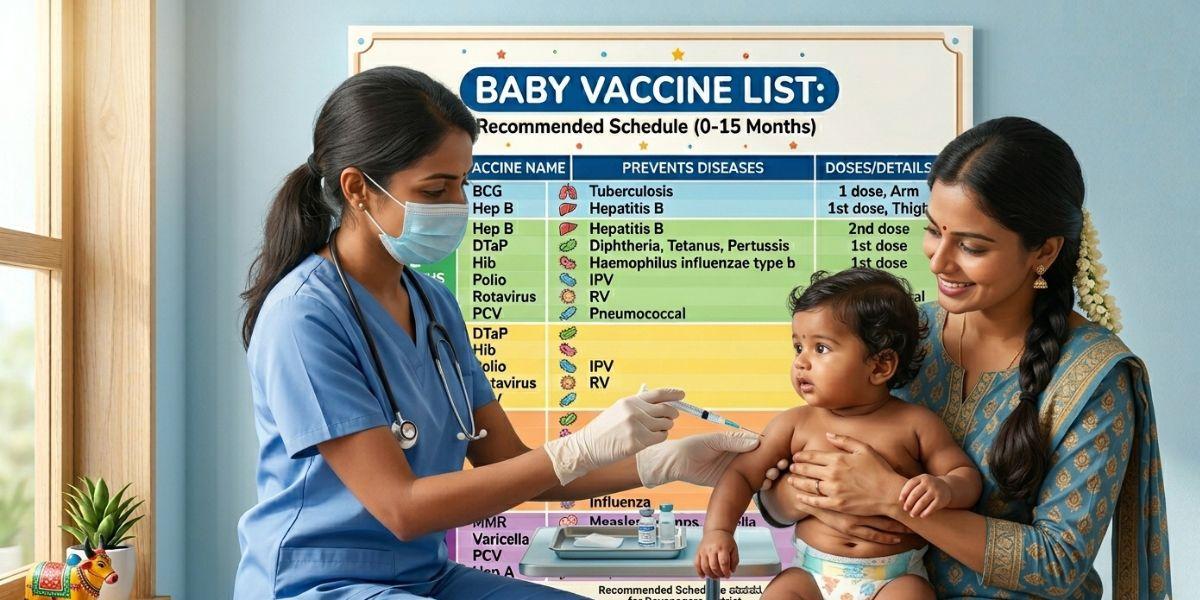 Vaccines protect babies from serious infections during the early years, when their immune systems are still developing. Following the recommended vaccination schedule ensures that infants receive protection at the right time and continue building immunity as they grow.
Key Takeaways
- Babies receive their first vaccines at birth to protect against early-life infections.
- Several vaccines are given during the first year in multiple doses for stronger protection.
- Booster shots are needed later to maintain long-term immunity.
- Keeping a vaccination record helps parents track their child’s immunisation schedule.
- Vaccines are carefully tested and are generally safe, with only mild temporary side effects.
As children grow up - especially during their first couple of years of life – they have a higher risk of getting sick from infection due to their immature immune systems. When a child is vaccinated, their body learns to recognise and attack bacteria and viruses before they can harm the child's health. When immunising children, doctors administer immunisations according to a set schedule. Doctors administer immunisations according to this schedule and use booster shots to help maintain protection against diseases throughout childhood. By keeping up to date on vaccinations, a parent will help protect their child’s health during a critical time in the child's development.
The first few years of a child’s life are full of growth, learning, and important health milestones. During this time, a baby’s immune system is still developing and needs protection from serious infections. Vaccination plays a crucial role in building that protection. Many parents often wonder which vaccines their baby needs and when they should be given. Understanding the recommended schedule helps ensure that children stay protected during their most vulnerable years.
Why Vaccines Are Important for Babies
In the first few years of a child's life, there will be many instances of growth, learning, and the achievement of significant health milestones. The first few years are also characterised by a developing immune system and the need to protect the baby from serious infections. One of the most important ways to build that protection is through vaccination.
Many parents are unsure which vaccines their baby should receive and when; therefore, knowing the recommended vaccine schedule will help ensure that children remain protected against disease during their most vulnerable periods.
What Vaccines Are Given in the First Year?
To ensure babies' early protection against preventable diseases, doctors use a Diptheria Pertussis Tetanus (dpt) Vaccine schedule. Viable vaccines usually require multiple follow-up doses to maintain long-term protection against disease.
A general overview of childhood vaccinations includes:
At Birth
Most newborns will receive their first round of vaccinations, which includes vaccines for childhood diseases they are likely to encounter.
At 6, 10, and 14 Weeks
Children receive a combination vaccine against 3 or more serious diseases, and in North America, the DPT vaccine is the most widely used, as it protects babies against 3 serious diseases. Combination vaccines contain multiple vaccinations against multiple diseases (e.g., Infanrix Hexa Injection protects an infant from diphtheria, tetanus, whooping cough, hepatitis B, polio, and a specific meningococcal strain).
Around 9 Months
Children will receive additional vaccinations from their doctor for other childhood diseases (the vaccination schedule at that age may vary based on the doctor's and the local government's recommendations).
What Happens After the First Year?
Vaccinations continue past infancy, and booster vaccines are necessary for ongoing protection as children mature. The booster vaccine enhances immunity from childhood vaccinations and extends the duration of immunity against the diseases.
Diphtheria, tetanus, and pertussis are examples of childhood vaccines that are given as a booster shot to older children and teenagers with the product Boostrix Injection to continue providing protection.
Why Booster Vaccines Matter
Some vaccines provide protection that weakens over time. Booster doses remind the immune system how to recognise and fight the bacteria that cause disease. Without boosters, immunity can gradually decline.
This is why healthcare providers carefully plan vaccine schedules that include both initial doses and booster shots.
How Parents Can Keep Track of Vaccinations
Keeping up with your child's vaccination schedule can be stressful! There are several ways to make scheduling a baby's vaccinations easier:
Keep a record of your child's vaccinations (also known as a health card).
Set reminders on your phone/software/app for upcoming appointments.
Regularly consult with your child's doctor (paediatrician).
Bookmark the national immunisation schedule (these websites provide great resources for both parents and providers).
Your paediatrician will be able to let you know if there are any additional vaccines recommended for your child, based on where you live or any medical conditions your child may have.
Are Baby Vaccines Safe?
Before any vaccine is approved, it undergoes rigorous research and safety testing. Most potential side effects of vaccination are mild and temporary. After administering a vaccine, babies will probably have a slight fever, redness and swelling at the injection site. Typically, these minor concerns resolve quickly and indicate that the body’s immune system is responding to the injections.
The incidence of serious reactions from vaccination is very rare compared to the tremendous benefits of vaccination.
Final Thoughts
Vaccination is considered one of the best methods for protecting infants against severe illnesses during their first months of life. Following the recommended vaccination schedule helps children develop adequate immunity throughout their growth and development. Parents can provide their kids with a much more secure and healthier start in life by staying informed about immunisations and ensuring their children receive them on time.
Disclaimer
The information presented in this article is strictly intended for general informational purposes. It should never be considered as a substitute for obtaining due diligence from a qualified healthcare professional regarding any healthcare decisions or actions taken based upon the contents of this document.