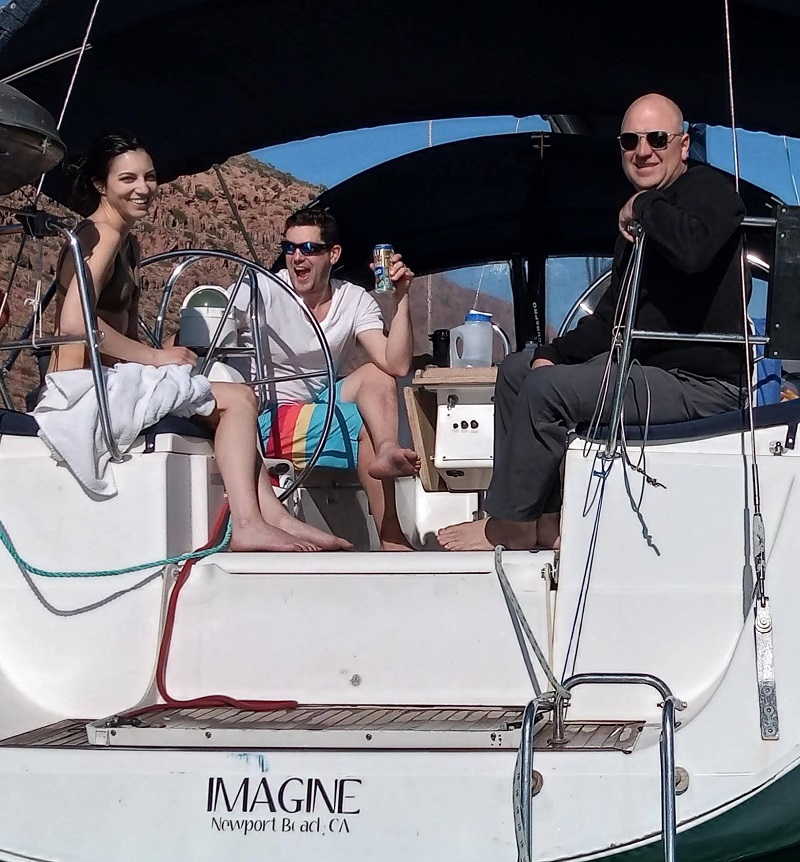
Bareboat Charter Sea Of Cortez: A Practical Guide To Sailing Freedom In Baja
Navigating Independence: A Practical Guide to Bareboat Sailing in the Sea of Cortez
The Sea of Cortez has long occupied a special place in the imagination of sailors. Often described as one of the most biologically rich bodies of water on Earth, it blends desert landscapes, island chains, and calm anchorages into a cruising ground that feels both wild and welcoming. For sailors who value autonomy, learning curves, and immersion, bareboat charter sea of cortez experiences have become an increasingly researched option—not as a luxury escape, but as a skills-driven way to explore.
This article takes a grounded look at what makes bareboat sailing here distinctive, how La Paz fits into the equation, and why training, preparation, and local knowledge matter more than glossy itineraries. Whether you are planning your first independent charter or researching future cruising grounds, the goal is clarity rather than hype.
Why the Sea of Cortez Appeals to Bareboat Sailors
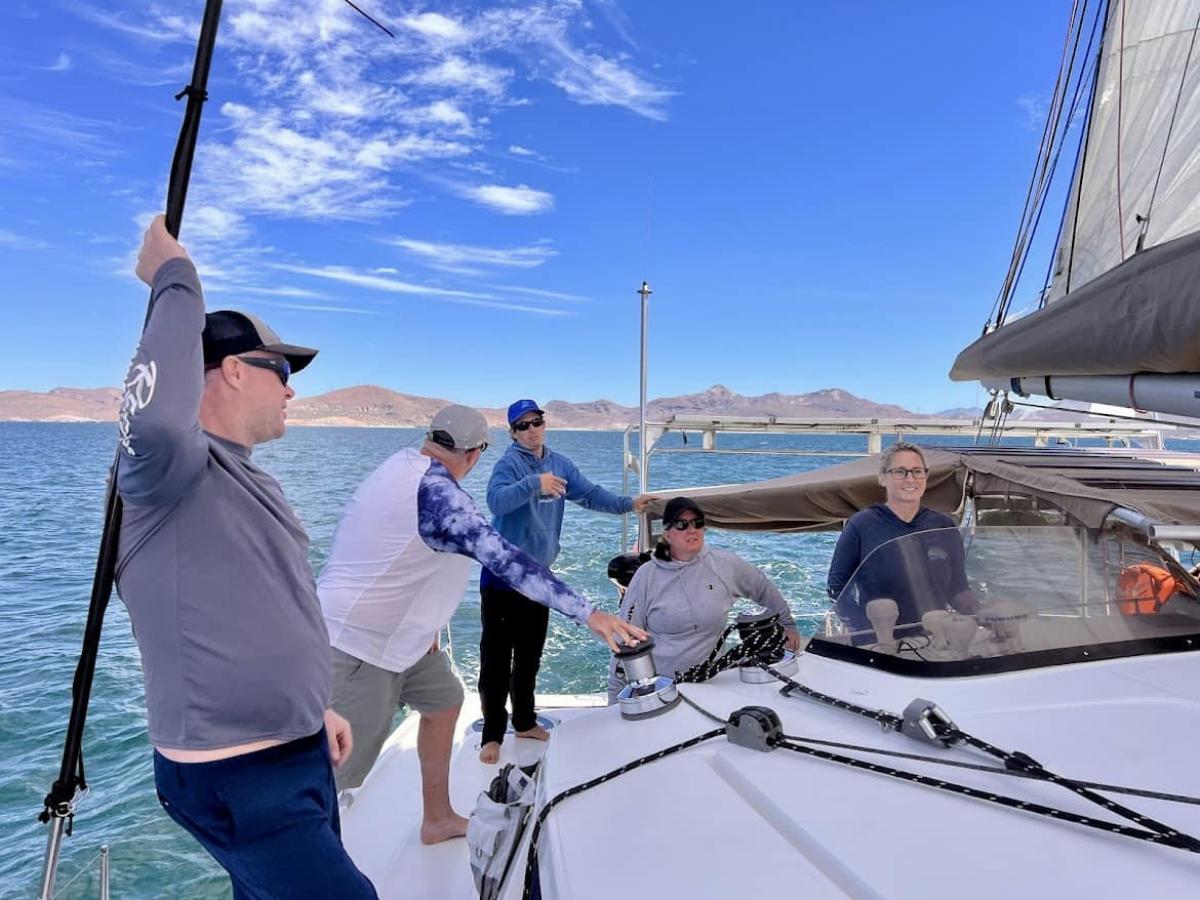
Unlike crowded Mediterranean routes or weather-sensitive ocean passages, the Sea of Cortez offers a balance that appeals to both developing and seasoned sailors. Predictable wind patterns, line-of-sight navigation between islands, and sheltered anchorages make it particularly suitable for those interested in a bareboat charter sea of cortez itinerary that emphasizes learning and self-reliance.
Seasonality plays a role. Winter and early spring deliver steady northerlies, cooler temperatures, and calm seas, while shoulder seasons allow for quieter anchorages and warmer water. Marine life—from whale sharks to sea lions—is not an add-on here; it’s part of the daily rhythm.
Importantly, this is not a “set-and-forget” destination. Charts, weather interpretation, anchoring judgment, and docking skills all come into play, making it a compelling environment for sailors who want their cruising time to actively sharpen competence.
La Paz: A Natural Hub for Independent Sailing
La Paz sits at the southern gateway of the Sea of Cortez and has organically evolved into a base for sailors who value logistics as much as scenery. Fuel docks, provisioning, marine services, and calm harbor conditions make it practical without feeling industrial.
For those researching La Paz sailing, the appeal lies in proximity. Within a day’s sail are Espíritu Santo, Isla Partida, and dozens of protected coves that reward thoughtful route planning. The distances are manageable, but not trivial—ideal for building passage confidence without long offshore commitments.
This is also why Sailboats La Paz searches continue to trend upward. Sailors are not just looking for vessels; they are seeking a starting point where learning, preparation, and cruising naturally intersect.
Understanding the Bareboat Model in Context
A bareboat charter shifts responsibility from provider to skipper. You manage navigation, anchoring, safety, and daily decision-making. In the Sea of Cortez, this responsibility is amplified by tidal considerations, remote anchorages, and limited marinas outside La Paz.
Choosing a bareboat charter sea of cortez experience therefore depends less on boat size and more on readiness. Skippers must be comfortable interpreting weather patterns, handling anchoring in varying bottom conditions, and executing docking maneuvers with limited assistance.
This is where education and certification matter—not as checkboxes, but as confidence builders that translate directly to safer, more rewarding cruising days.
The Role of Training Before You Cast Off
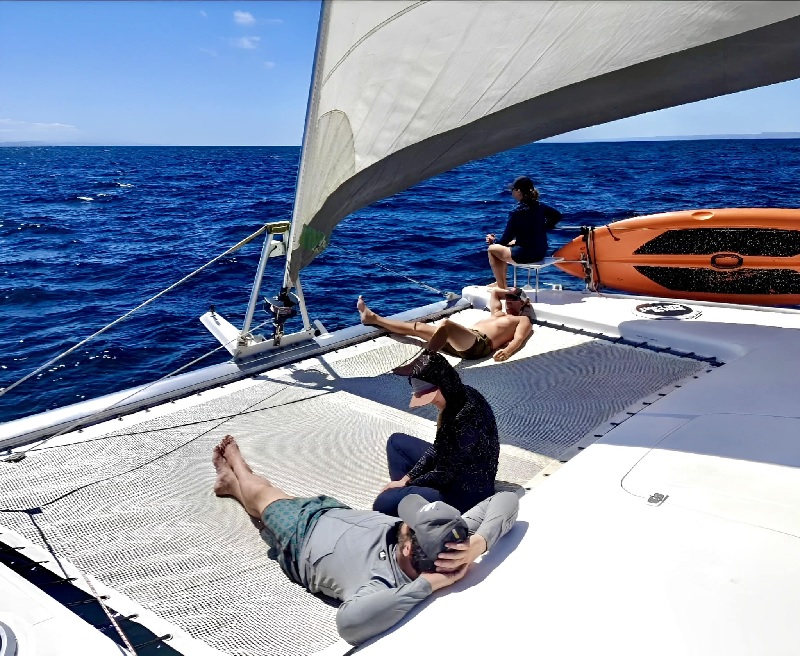
One reason many sailors pause before committing to independent cruising is uncertainty around skill gaps. Docking under pressure, coastal navigation, or systems troubleshooting can quickly turn from minor stressors into trip-defining moments.
Programs that combine cruising with structured learning are increasingly sought after, particularly those connected to an ASA affiliate sailing school and charter options ecosystem. These environments allow sailors to build competence in real conditions, rather than simulated scenarios.
Go Baja Sailing has become part of this conversation by operating in direct proximity to the cruising grounds themselves, allowing education to feel immediately relevant rather than theoretical.
Learning from Instructors with Offshore Perspective
Instruction quality is often determined by lived experience, not just certifications. Sailors tend to gravitate toward mentors who understand decision-making under real-world conditions.
That perspective is evident in the background of instructors like those highlighted in experienced ASA instructors in La Paz, where offshore passages, solo sailing, and multi-year cruising inform teaching styles. Exposure to varied conditions—from bays to open coastal legs—helps students understand not just how to sail, but why certain decisions matter.
The story of Captain Joseph Proctor illustrates this arc clearly. From early exposure aboard a Catalina 25 to years of solo sailing across the Gulf Coast, Cuba, and the Yucatán, his progression reflects the nonlinear path many sailors follow. His eventual transition into instruction underscores a broader theme: effective teaching often grows out of real cruising challenges rather than classroom theory alone.
Certification as a Gateway, Not a Finish Line
Certifications are sometimes misunderstood as endpoints. In reality, they function more like passports—opening doors to new experiences while signaling baseline competence.
For sailors preparing for a bareboat charter sea of cortez, structured credentials such as those found in ASA sailing certifications and course pathways help align expectations between skippers and charter operators. They also provide a common language for discussing experience levels, limitations, and progression goals.
The most effective programs emphasize application. Docking practice in crosswinds, anchoring drills in varying depths, and coastal navigation exercises all translate directly to day-to-day cruising decisions.
Individual and Private Learning Formats
Not every sailor thrives in group settings. Some prefer focused, one-on-one instruction that adapts to personal pacing, learning style, or specific goals.
Private and individualized courses—often conducted aboard fully equipped cruising yachts—allow sailors to immerse themselves without the pressure of matching group dynamics. These formats are particularly useful for couples, families, or friends planning to charter together, as they mirror the decision-making environment they will later encounter independently.
This approach aligns well with the Sea of Cortez itself: expansive, flexible, and responsive to thoughtful planning rather than rigid schedules.
Fleet Considerations and Vessel Familiarity
Boat selection is more than a comfort decision. Layout, systems, and handling characteristics all influence how smoothly a charter unfolds. Familiarity with similar vessels before departure reduces cognitive load during critical moments.
Exploring training fleets and charter-ready sailboats ahead of time helps sailors understand what to expect—from rigging configurations to auxiliary power responsiveness. It also clarifies whether a monohull or catamaran better suits planned routes, crew experience, and anchoring preferences.
In the Sea of Cortez, where shallow bays and varying bottom types are common, understanding your vessel’s draft and anchoring behavior is especially important.
The Broader Charter Landscape
While bareboat sailing emphasizes independence, it exists within a larger ecosystem. Some sailors transition gradually—starting with instruction-led courses, moving into assisted charters, and eventually assuming full skipper responsibility.
Within this landscape, sea of cortez sailboat charter options range widely in structure and support. Understanding where you fall on that spectrum helps align expectations and reduces friction during planning.
Equally important is knowing when to ask for support. Even experienced skippers benefit from local briefings, updated weather insights, and regional knowledge that no chart fully captures.
Safety, Seamanship, and the Learning Mindset
The Sea of Cortez rewards preparation. Winds can accelerate through channels, anchorages can fill quickly during peak season, and services may be limited once you leave La Paz. A conservative mindset—built on planning, redundancy, and situational awareness—goes a long way.
This is where the ethos behind bareboat charter sea of cortez experiences becomes clear. It is not about unchecked freedom, but about informed independence. Sailors who approach the region with humility and curiosity tend to extract the most value from it.
Staying Connected and Planning Ahead
Even the best-laid plans benefit from conversation. Asking questions, discussing experience levels, and clarifying expectations early can prevent misunderstandings later.
Resources such as contact a La Paz sailing school for planning support allow sailors to align training, certification, and charter timing in a way that feels cohesive rather than rushed.
Go Baja Sailing often enters these discussions not as a single solution, but as part of a broader preparation pathway that emphasizes confidence and continuity.
Bringing It All Together
A bareboat charter sea of cortez is best understood as a progression rather than a purchase. It represents the convergence of skill, preparation, environment, and mindset. La Paz offers the infrastructure, the Sea of Cortez provides the classroom, and thoughtful training bridges the gap between aspiration and capability.
For sailors willing to invest in learning—through certifications, instructor-led experiences, and incremental challenges—the reward is not just a successful trip, but a deeper relationship with the craft of sailing itself.
In that sense, the Sea of Cortez is less a destination and more a teacher—one that continues to shape sailors long after the anchor is weighed for the final time.