Beginner’s Guide To Video Microphones: Types & Best Picks

If you're starting out in video production, vlogging, or content creation, one of the smartest investments you can make is in quality video microphones. Audio makes up 80-90% of a viewer's experience, yet many beginners overlook it until their footage sounds tinny or muffled. Whether you want to buy video microphones in USA for your next project, Sole Source AV Supply stands out as the best place to buy video microphones in USA, offering a curated selection of professional-grade options with reliable shipping and expert support.
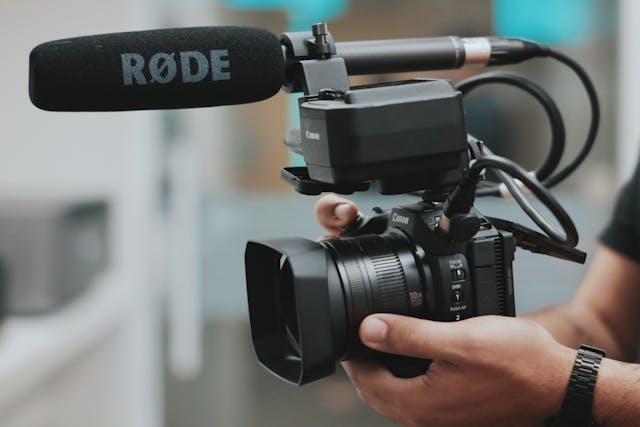
This guide breaks down everything a beginner needs to know about video microphones. We'll explore the main types, their ideal uses, key features to consider, and top picks across budgets. By the end, you'll confidently choose the right mic to elevate your videos without breaking the bank. No jargon overload—just practical advice drawn from real-world video setups.
Why Video Microphones Matter for Beginners
Poor audio kills engagement faster than shaky footage. Built-in camera mics pick up everything: wind, traffic, hums, and echoes, making your voice sound distant or robotic. Dedicated video microphones focus on your subject while rejecting noise, delivering crisp, professional sound right away.
For newcomers, the right mic simplifies editing. It reduces post-production fixes like noise gates or EQ tweaks, letting you focus on storytelling. Popular uses include YouTube vlogs, interviews, TikTok clips, podcasts with video, and even short films. Start with a $50-200 mic, and you'll notice instant upgrades.
Investing early also future-proofs your kit. As your skills grow from smartphone shoots to mirrorless cameras, versatile video microphones scale with you. Brands like Rode, Shure, and Audio-Technica dominate for reliability and value.
Main Types of Video Microphones
Video mics fall into five core categories, each suited to specific shooting styles. Understanding polar patterns (how they "hear" sound) is key: cardioid (front-focused), supercardioid (narrow front beam), omnidirectional (360 degrees), or figure-8 (sides rejected).
On-Camera Shotgun Microphones
These mount directly on your camera's hot shoe, pointing forward to capture dialogue while ignoring off-axis noise. Ideal for run-and-gun filming like vlogs or events, they use supercardioid or hypercardioid patterns for tight focus.
Pros: Plug-and-play simplicity, windshields included, lightweight (under 200g). Cons: Picks up some camera handling noise; needs good camera preamps.
Beginner Pick: Rode VideoMic GO II ($99)
Lightweight at 89g, USB-C rechargeable for cameras or computers, with auto power-off. Great for DSLRs or smartphones. Users praise its natural sound and three-level gain control for indoor/outdoor versatility.
Boom/Pole Shotgun Microphones
Longer and more directional than on-camera versions, these attach to a boom pole for overhead positioning. Perfect for interviews, documentaries, or films where the mic stays off-screen.
Pros: Superior rejection of side noise, broadcast-quality audio. Cons: Requires a pole ($20-50 extra) and operator skills.
Beginner Pick: Audio-Technica AT875R ($249)
32cm interference tube for laser-focused pickup up to 3m. Rugged aluminum body handles field abuse. Pair with a boom for cinematic results on a budget.
Lavalier (Lapel) Microphones
Tiny clip-on mics hide under clothes, capturing voice naturally during movement. Wired versions connect via 3.5mm; wireless use transmitters. Best for interviews, speeches, or talking-head videos.
Pros: Discreet, consistent levels, full mobility. Cons: Wiring can snag; clothing rustle needs windscreens.
Beginner Pick: Rode SmartLav+ ($79)
Plug-and-play for smartphones, with a kevlar-reinforced cable. Omnidirectional pattern suits close-mic'ing. Record direct to phone apps for quick social media uploads.
Wireless Microphone Systems
Battery-powered lavs or handhelds with transmitters and receivers free you from cables. Dual-channel kits handle two people. Suited for mobile shoots like weddings or multicam podcasts.
Pros: 50-100m range, no tangles. Cons: Latency risks (under 20ms ideal), battery management.
Beginner Pick: Hollyland Lark M2 (2-person, $139)
Pocket-sized (18g per tx), 300m range, noise cancellation. OLED screens show levels; charges in a case. Beginners love the 10-hour battery for all-day shoots.
USB Podcast-Style Microphones
Plug into computers for voiceovers, streaming, or hybrid video-podcast setups. Dynamic or condenser types suit controlled environments.
Pros: Zero-latency monitoring, headphone jacks. Cons: Less mobile for field use.
Beginner Pick: Fifine AM8 ($50)
Dynamic cardioid with USB/XLR versatility. Touch mute and RGB add flair. Excellent for desk-based talking heads or Twitch streams.
Key Features to Evaluate
Don't just chase brands—match specs to needs.
Polar Pattern: Cardioid for solos, omnidirectional lavs for groups.
Frequency Response: 50Hz-20kHz covers human voice; flatter curves sound natural.
Max SPL: 120dB+ handles loud sources like concerts.
Connectivity: 3.5mm TRS for cameras, USB for PCs, XLR for pro audio interfaces.
Accessories: Windscreens (deadcat for outdoors), shock mounts (reduce vibrations), cables.
Budget tip: Under $100 gets 80% of pro quality. Test in quiet rooms first.
Top Picks by Budget
Under $100
Rode VideoMic GO II: Vlogging king.
Fifine AM8: Streaming starter.
Boya BY-MM1: Basic shotgun for smartphones.
$100-250
Audio-Technica AT875R: Boom essential.
Hollyland Lark M2: Wireless freedom.
Shure MVL: Rugged lavalier.
$250+
Sennheiser MKE 600: Pro shotgun ($350).
DJI Mic 2: Premium wireless ($350).
Shure MV88+: Stereo USB for iOS.
Sole Source AV Supply stocks these and more, making it the best place to buy video microphones in USA with fast domestic shipping.
How to Choose Your First Video Microphone
Define style: Vlog (on-camera shotgun), interview (lavalier), studio (USB).
Match gear: Camera input? Phone? PC?
Test environment: Indoors favor condensers; outdoors need wind protection.
Read reviews on YouTube for real audio samples.
Buy returnable—sound is subjective.
Common mistake: Skipping windshields. Outdoors, they cut 20dB of rumble.
Setup and Basic Techniques
Mount securely. Set levels to -12dB peaks. Position 15-30cm from mouth for lavs, 1-2m for shotguns.
Indoors: Use pop filters. Outdoors: Deadcats mandatory.
Apps like FiLMiC Pro or Voice Memos aid monitoring. Edit in DaVinci Resolve (free) for quick EQ boosts at 2-4kHz for clarity.
Troubleshoot: Hiss? Gain too high. Muffled? Too far. Boom? Shock mount needed.
Advanced Tips for Growth
Upgrade path: Start shotgun, add wireless. Learn gain staging: Mic gain + camera gain under 0dB.
Pair with interfaces like Focusrite Scarlett ($170) for XLR mics.
Experiment: Dual-mic interviews with one shotgun overhead, lavs backup.
Maintenance: Store dry, clean windscreens, check cables yearly.
Where to Buy: Sole Source AV Focus
For USA buyers, Sole Source AV Supply (https://www.solesourceav.com/professional-video-equipment/audio-for-video/video-microphones.html) is unbeatable. They specialize in pro video gear, stocking Rode, Shure, Sennheiser, and niche brands. Benefits include:
Competitive pricing with bundles (mic + pole).
Free U.S. shipping over $99.
Expert chat support for setup advice.
Warranty handling.
Search their video microphones page for "buy video microphones in USA" deals. Avoid big-box stores' limited stock—Sole Source caters to creators.
Real-World Examples
Vlogger Casey Neistat swears by shotgun mics for NYC streets. Podcasts like Joe Rogan use multiples for dynamics.
Testimonial: "Switched to Rode VideoMic GO—views doubled from better audio." (Paraphrased from forums).
Common Myths Busted
Myth: Wireless always best. Reality: Wired shotguns beat cheap wireless in clarity.
Myth: Expensive = better. Reality: $100 mics outperform camera internals 10x.
Myth: USB only for beginners. Reality: Pros use them for quick VO.
Next Steps
Grab a starter like Rode VideoMic GO II from Sole Source AV. Shoot test footage. Compare before/after.
Join Reddit's r/videography for feedback. Your audio upgrade starts today.