Best Trichologists Guide Menopausal Hair Changes

Menopause marks a transformative phase in a woman's life, bringing hormonal shifts that often lead to unexpected hair challenges. Thinning strands, increased shedding, and brittle texture become common complaints, leaving many feeling frustrated and self-conscious. Hair doctor in Riyadh(دكتور شعر بالرياض) This comprehensive guide dives into how best trichologists specialize in addressing these menopausal hair changes, offering science-backed insights and practical strategies to restore vitality and confidence.
Understanding the root causes behind menopausal hair woes is the first step toward effective solutions. Hormonal fluctuations, particularly declining estrogen levels, disrupt the hair growth cycle, leading to diffuse thinning and slower regrowth. Best Trichologists in Riyadh excel at diagnosing these issues through detailed scalp assessments and personalized plans, helping women navigate this transition with expert care. By focusing on scalp health and targeted therapies, they empower you to reclaim thicker, healthier hair without drastic measures.
What Causes Hair Changes During Menopause?
Menopause doesn't just affect hot flashes and mood swings—it profoundly impacts your hair follicles. Estrogen, which supports hair thickness and growth, plummets, while androgens like testosterone rise relatively, shortening the anagen (growth) phase of hair cycles. This shift results in more hairs entering the telogen (resting) phase prematurely, causing noticeable shedding.
Sudden hair loss can feel alarming, but it's often reversible with the right intervention. Dryness and brittleness arise from reduced sebum production, making strands prone to breakage. Best Trichologists in Riyadh use advanced tools like trichoscopy to pinpoint these hormonal imbalances early, preventing further progression.
Common Symptoms to Watch For
Diffuse Thinning: Overall reduction in hair density, especially at the crown and parting line.
Increased Shedding: Up to 100-150 hairs daily, far exceeding the normal 50-100.
Texture Shifts: Fine, limp hair replacing once-voluminous locks.
Scalp Sensitivity: Itching or flakiness due to altered oil balance.
Recognizing these signs prompts timely action, turning potential panic into proactive hair restoration.
How Trichologists Diagnose Menopausal Hair Loss
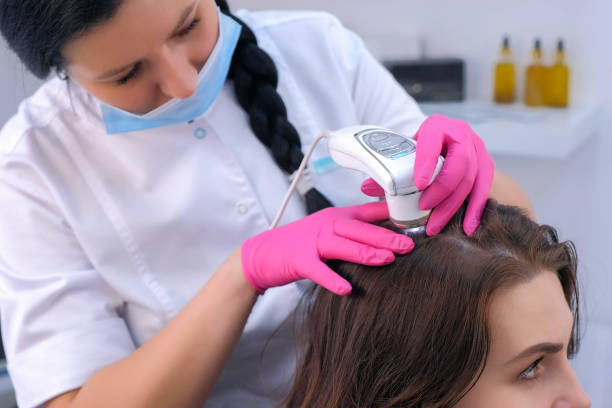
Trichologists are hair and scalp detectives, employing non-invasive techniques to uncover hidden culprits. A typical consultation begins with a thorough medical history review, focusing on menopause symptoms, medications, and lifestyle factors. Digital imaging reveals follicle miniaturization, a hallmark of androgenetic influences amplified by menopause.
Blood tests check thyroid function, iron levels, and hormone profiles—key players often overlooked. Pull tests and scalp biopsies, when needed, provide definitive insights. Best Trichologists in Riyadh integrate these diagnostics with cutting-edge tech for precise, tailored roadmaps.
Step-by-Step Diagnostic Process
Initial Consultation: Discuss symptoms and family history.
Scalp Examination: Magnified views of follicle health.
Lab Work: Hormone and nutrient panels.
Custom Analysis: Report with actionable recommendations.
This methodical approach demystifies hair loss, fostering trust and clarity.
Effective Treatments from Top Trichologists
Trichologists craft multi-faceted plans blending medical, natural, and tech-driven therapies. Minoxidil topical solutions stimulate follicles, while low-level laser therapy (LLLT) boosts circulation for regrowth. Platelet-rich plasma (PRP) injections deliver growth factors directly to the scalp, showing remarkable results in menopausal cases.
Nutritional counseling targets deficiencies—biotin, zinc, and omega-3s fortify strands from within. Prescription options like spironolactone counter androgen effects safely. Best Trichologists in Riyadh monitor progress with follow-ups, adjusting protocols for optimal outcomes.
Proven Therapy Options
PRP Therapy: Harnesses your blood's healing power.
Laser Helmets: At-home devices for convenience.
Mesotherapy: Nutrient cocktails injected into the scalp.
Topical Formulas: Customized serums for daily use.
These interventions restore balance, with many women noticing denser hair within 3-6 months.
Lifestyle Tips to Support Hair Health in Menopause
Beyond clinical treatments, daily habits amplify results. A Mediterranean-style diet rich in antioxidants combats oxidative stress on follicles. Stress management through yoga or meditation curbs cortisol, which exacerbates shedding.
Gentle scalp massages enhance blood flow—try 5 minutes daily with rosemary oil. Avoid tight hairstyles and heat styling to prevent traction damage. Hydration and 7-9 hours of sleep nurture overall vitality, reflecting in lustrous locks.
Quick Daily Hair Care Routine
Morning: Scalp massage with nourishing oil.
Wash: Sulfate-free shampoo 2-3 times weekly.
Night: Silk pillowcase to reduce friction.
Weekly: Deep conditioning mask.
Small changes yield big transformations, complementing professional guidance.
Nutrition and Supplements for Menopausal Hair
Hormonal shifts deplete key nutrients, starving hair roots. Iron deficiency, common in menopause due to heavier periods or poor absorption, triggers telogen effluvium. Vitamin D, often low, supports follicle cycling—sun exposure or supplements help.
Collagen peptides and saw palmetto show promise in studies for thickness and DHT blocking. Always consult before starting; best trichologists recommend blood-tested regimens to avoid overload.
Essential Nutrients List
Nutrient
Benefit
Food Sources
Iron
Prevents anemia-related loss
Spinach, lentils
Biotin
Strengthens keratin
Eggs, nuts
Omega-3s
Reduces inflammation
Salmon, flaxseeds
Vitamin D
Promotes growth phase
Fortified dairy, sunlight
Fuel your follicles wisely for sustained radiance.
When to Seek Professional Trichology Help
Don't wait for bald patches—early intervention preserves more follicles. If shedding persists beyond 3 months, or you notice widening parts, book a consultation. Trichologists differentiate menopause-related loss from thyroid issues or alopecia areata.
Prompt care prevents chronic thinning. For personalized expertise, best trichologists in Riyadh offer comprehensive evaluations. Ready to revitalize? Book an appointment consultation at Enfield Royal Riyadh (إنفيلد رويال الرياض) today.
FAQs
Can menopausal hair loss be reversed?
Absolutely—most cases respond well to targeted therapies like PRP and hormone balancing, with regrowth visible in months when addressed early by trichologists.
How do trichologists differ from dermatologists?
Trichologists specialize solely in hair and scalp, offering holistic diagnostics beyond skin-focused dermatology for nuanced menopausal solutions.
Are supplements enough for menopausal thinning?
They support but rarely suffice alone—combine with professional treatments for best results, as advised by Riyadh's top trichologists.
Does stress worsen menopausal hair changes?
Yes, elevated cortisol accelerates shedding; trichologists recommend stress protocols alongside scalp therapies for comprehensive relief.
How soon after menopause does hair loss start?
It can begin in perimenopause (40s) due to fluctuating hormones—early trichologist visits in Riyadh halt progression effectively.