Can A Tummy Tuck Be Reversed Or Revised Later?

If you are considering a Tummy Tuck in Dubai, you’re likely aiming for a flatter, firmer abdomen and a boost in confidence. While the procedure is generally permanent, many patients wonder if a tummy tuck can be reversed or revised later. Understanding the possibilities, limitations, and potential complications of this popular cosmetic surgery is crucial before making any decisions.
Understanding the Basics of a Tummy Tuck
A tummy tuck, or abdominoplasty, is a surgical procedure designed to remove excess skin and fat from the abdominal area while tightening the underlying muscles. It is particularly beneficial for individuals who have experienced significant weight fluctuations, pregnancy, or age-related skin laxity. Unlike non-invasive treatments, a tummy tuck provides long-lasting results by physically reshaping the abdominal area.
Because the procedure removes and tightens tissue, it is considered permanent. However, changes in lifestyle, weight, or health conditions may affect the appearance of the results over time.
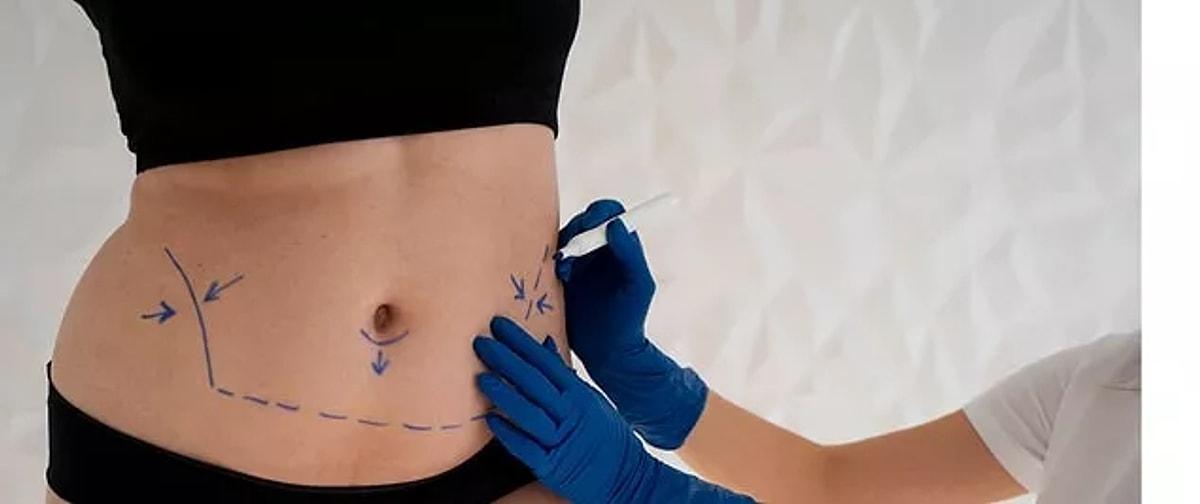
Can a Tummy Tuck Be Reversed?
Technically speaking, a tummy tuck cannot be fully reversed. Once excess skin and fat are removed and the muscles are tightened, the original anatomy of the abdomen cannot be restored. Unlike some cosmetic treatments that can be undone, a tummy tuck permanently alters the structure of your abdominal area.
However, there are certain procedures that can modify or improve the results of a previous tummy tuck. These are often referred to as tummy tuck revisions or corrective surgeries.
What Is a Tummy Tuck Revision?
A tummy tuck revision is a follow-up procedure that addresses complications, dissatisfaction, or changes that occur after the initial surgery. While it does not “reverse” the tummy tuck, it can refine and improve the aesthetic outcome. Common reasons for considering a revision include:
Uneven or asymmetrical contours
Persistent skin laxity or sagging
Excess scar tissue or visible scars
Bulging or irregularities caused by uneven muscle tightening
Revisions are usually less extensive than the initial procedure but may require careful planning to ensure safe and effective results.
Factors That Influence the Need for a Revision
Several factors can determine whether a revision is necessary:
Healing Process: Individual healing varies significantly. Some patients may experience irregularities as the body heals, prompting a minor revision.
Weight Fluctuations: Significant weight gain or loss after the initial procedure can affect the results. Maintaining a stable weight helps prolong the aesthetic benefits of a tummy tuck.
Lifestyle Choices: Smoking, poor nutrition, and lack of exercise can impact skin elasticity and overall results.
Surgical Technique: The skill and approach used during the first surgery can influence long-term results, including the potential need for adjustments.
What to Expect from a Revision Surgery
Revision surgery generally aims to improve symmetry, reduce scarring, and tighten remaining loose skin. Recovery may be slightly quicker than the original tummy tuck, but it still requires careful monitoring and adherence to post-operative care guidelines. Patients should also have realistic expectations, understanding that the goal is refinement rather than a complete reversal.
Maintaining Long-Term Results
Even after a successful tummy tuck, maintaining results requires commitment. A healthy lifestyle, balanced diet, and regular exercise are essential for preserving a smooth and toned abdomen. Additionally, avoiding significant weight fluctuations helps minimize the need for future revisions.
Final Thoughts
While a tummy tuck cannot be reversed, revision surgeries offer an effective way to enhance or correct previous results. Understanding your body, realistic expectations, and the impact of lifestyle choices can help ensure long-lasting satisfaction with your abdominal appearance. If you are considering a Tummy Tuck in Dubai, knowing these facts empowers you to make informed decisions and achieve the best possible outcome.