Can Acne Treatment Reduce Redness And Inflammation?

Acne doesn’t just affect the appearance of your skin—it often comes with discomfort, tenderness, and noticeable redness. Many individuals in Dubai seek solutions that go beyond clearing pimples to also reduce the swelling and irritation that acne causes. Fortunately, modern Acne Treatment In Dubai is designed to address both the visible blemishes and the underlying inflammation, helping skin look calmer, smoother, and healthier.
Understanding Acne-Related Redness
Redness in acne occurs due to inflammation. When pores become clogged with oil and dead skin cells, bacteria can trigger an immune response, leading to swelling, tenderness, and a red appearance. This inflammatory process can worsen if left untreated, potentially causing permanent marks or scars. Understanding this mechanism is crucial when selecting a treatment plan.
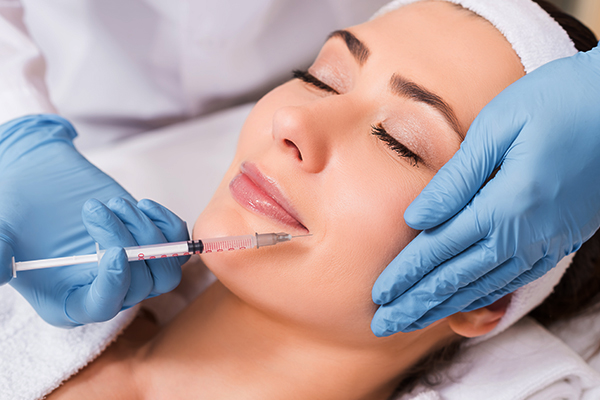
How Acne Treatments Reduce Inflammation
Acne treatments work in several ways to calm inflamed skin. Topical medications with anti-inflammatory properties, such as benzoyl peroxide, niacinamide, and salicylic acid, help to reduce redness and swelling at the site of the blemish. Oral medications, including antibiotics or certain hormonal therapies, target inflammation from within the body, providing more comprehensive relief for moderate to severe acne.
Professional treatments offered in clinics, such as laser therapy or light-based treatments, can also be effective. These therapies reduce bacteria in the skin and stimulate the body’s natural healing process, which diminishes swelling and restores a more even skin tone.
Topical Solutions for Redness
Anti-Inflammatory Creams and Gels
Topical creams and gels containing ingredients like aloe vera, green tea extract, or niacinamide are popular choices for reducing acne-related redness. They soothe the skin while preventing further breakouts, making them suitable for daily use.
Retinoids
Retinoid-based creams not only unclog pores but also accelerate skin cell turnover. This process reduces the likelihood of inflammatory lesions forming, thereby minimizing redness over time.
Oral Treatments for Inflammation
Antibiotics
Oral antibiotics help combat bacteria responsible for acne while also reducing inflammatory responses. They are particularly beneficial for individuals experiencing widespread redness and cystic acne.
Hormonal Therapies
For hormonal acne, medications that regulate hormone levels can help balance sebum production, which often leads to less irritation and reduced redness.
Advanced Professional Options
Laser and Light Therapy
Laser treatments target the deeper layers of the skin, reducing inflammation and killing acne-causing bacteria. Redness diminishes significantly with consistent sessions, and skin texture improves simultaneously.
Chemical Peels
Mild chemical peels help exfoliate the skin and promote new cell growth. They reduce inflammation, fade redness, and improve the overall appearance of acne-prone areas.
Benefits of Reducing Inflammation
Managing inflammation not only makes acne less noticeable but also prevents long-term damage such as scarring or hyperpigmentation. Reduced redness improves skin tone and boosts confidence, making individuals more comfortable in social and professional settings.
Tips to Enhance Results
Avoid picking or squeezing pimples, which can worsen redness and inflammation.
Use gentle skincare products to prevent irritation.
Stay hydrated and maintain a balanced diet rich in antioxidants to support skin healing.
Consult a dermatologist to choose the right combination of topical, oral, and professional treatments.
Conclusion
In conclusion, acne treatments are highly effective in reducing redness and inflammation, provided the right combination of solutions is applied. From topical creams to oral medications and professional laser therapies, there are numerous options available to calm irritated skin. For residents seeking long-lasting results and healthier skin, it’s important to find the Best Acne Treatment Dubai that fits their individual needs. By targeting the underlying causes of inflammation, acne treatments can restore not only clear skin but also confidence and comfort in daily life.