Can Chemical Peels Cause Skin Damage Or Side Effects?

Chemical peels are widely celebrated for their ability to rejuvenate the skin, improve texture, and treat various concerns such as acne, pigmentation, and fine lines. However, like any cosmetic procedure, they come with potential risks and side effects that must be understood before treatment. For individuals considering professional skin treatments, Chemical Peels in Dubai offer a safe and controlled environment, but it is essential to be aware of how peels work and what complications, if any, may arise.
How Chemical Peels Work
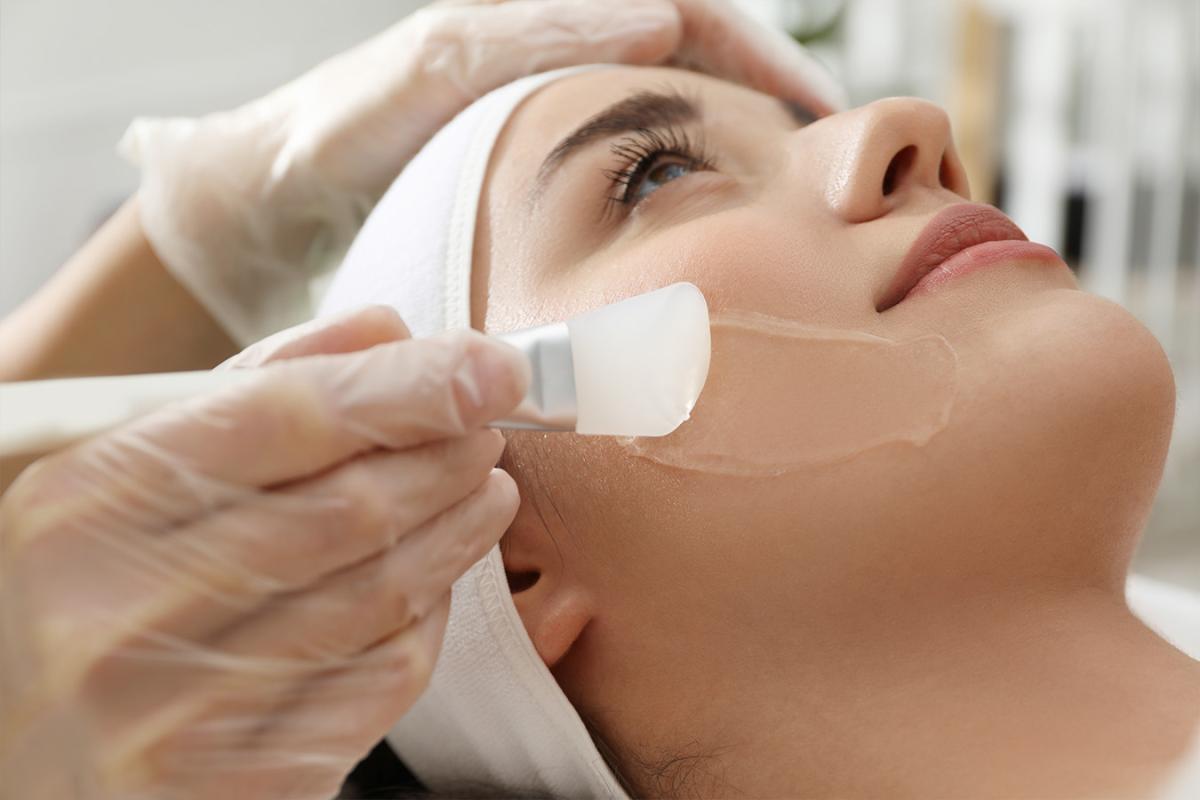
Chemical peels involve applying a solution to the skin that exfoliates the outer layers, stimulating cell renewal and collagen production. This process can improve skin tone, reduce pigmentation, and minimize the appearance of fine lines and acne scars. The depth of the peel—superficial, medium, or deep—determines both the intensity of results and the likelihood of side effects. Superficial peels target the uppermost skin layer and generally have minimal downtime, while deeper peels penetrate further to address more significant skin concerns but carry a higher risk of complications.
Hyperpigmentation or Hypopigmentation
Some individuals may experience darkening (hyperpigmentation) or lightening (hypopigmentation) of the skin. Those with darker skin tones or a history of pigmentation issues are more susceptible.
Infection
If proper hygiene is not maintained during or after treatment, bacterial or viral infections such as cold sores can develop.
Scarring
Deep peels carry a small risk of scarring, especially if the skin is not cared for properly during healing.
Factors Influencing Effects
Several factors can increase the likelihood of side effects from chemical peels:
Skin type and tone: Sensitive or darker skin may react differently to certain chemical agents.
Type of peel: Stronger peels produce more noticeable results but also have higher risks.
Aftercare compliance: Neglecting post-peel instructions such as avoiding sun exposure and using appropriate skincare can worsen side effects.
Medical history: Certain conditions, medications, or previous skin treatments may make chemical peels less suitable.
Minimizing Risks
To reduce the risk of skin damage and side effects, consider the following precautions:
Consult with a licensed professional experienced in treating your specific skin type.
Discuss your medical history and any prior skin issues.
Follow pre-peel guidelines, such as avoiding retinoids or strong exfoliants.
Use gentle skincare and avoid sun exposure post-treatment.
Gradually progress from superficial to deeper peels if more significant results are desired.
Signs to Watch For
Although mild redness and peeling are normal, you should seek medical attention if you notice:
Excessive swelling or blistering
Persistent pain beyond the first few days
Signs of infection such as pus or fever
Unusual discoloration that doesn’t fade
Conclusion
Chemical peels are a powerful tool for achieving healthier, rejuvenated skin, but understanding potential side effects is essential. When administered professionally, Chemical Peels in Dubai are generally safe, and minor reactions like redness, peeling, and dryness are common and temporary. Following proper preparation and aftercare significantly reduces the risk of more serious complications. For those seeking long-lasting results, exploring Best Chemical Peels Dubai ensures a treatment that maximizes skin benefits while minimizing risks, giving your complexion a refreshed, radiant appearance safely.