Can Chemical Peels Reduce Hyperpigmentation?

Hyperpigmentation, the darkening of skin patches due to excess melanin, is a common skin concern affecting people of all ages. If you’re looking for effective treatment options, chemical peels have emerged as a popular solution. Chemical Peels in Islamabad are increasingly sought after by individuals aiming to achieve even-toned, radiant skin. But can they truly reduce hyperpigmentation, and are they suitable for everyone? This guide answers frequently asked questions about chemical peels and their impact on hyperpigmentation.
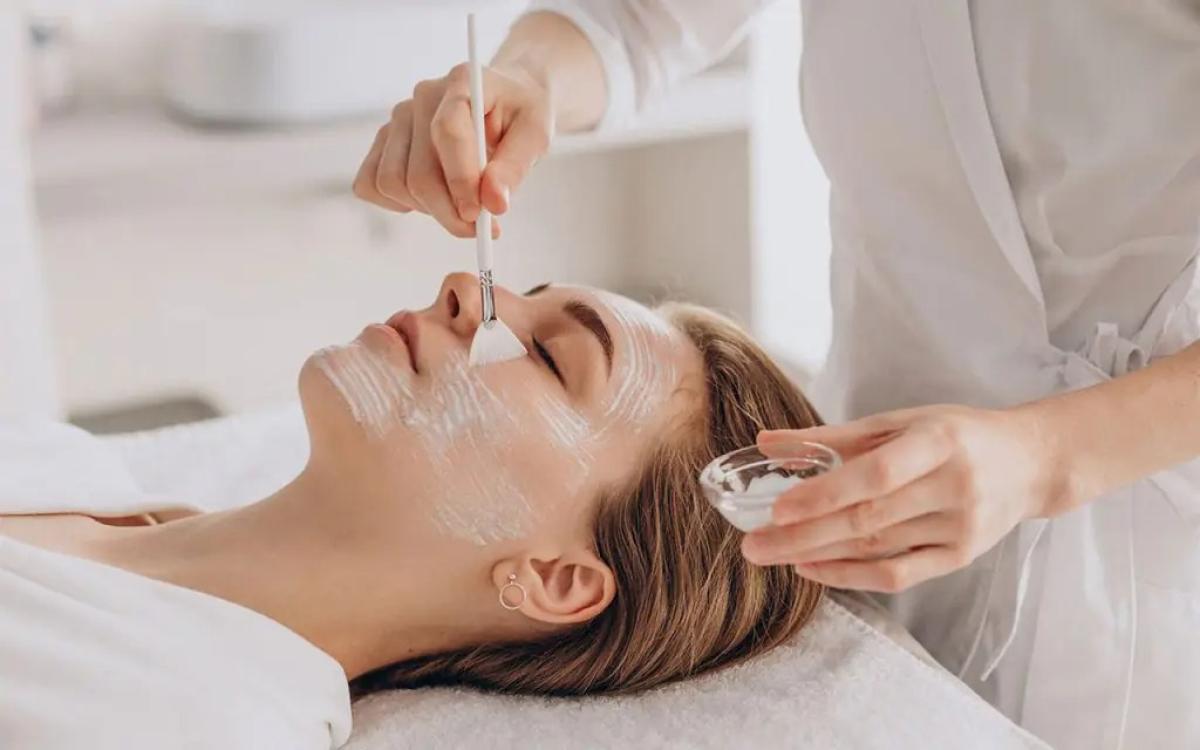
What Are Chemical Peels and How Do They Work?
Chemical peels are cosmetic treatments that use acids to exfoliate the top layers of skin. By removing damaged skin cells, they promote the growth of fresh, healthy skin. Types of Peels: Superficial, Medium, and Deep
Common Ingredients: Glycolic acid, Salicylic acid, Lactic acid, TCA (Trichloroacetic acid), and Jessner’s solution
Mechanism: Peels work by accelerating skin cell turnover, fading dark spots, and evening out skin tone.
Chemical peels are particularly effective in treating mild to moderate hyperpigmentation, sun damage, acne scars, and uneven skin texture.
How Effective Are Chemical Peels in Reducing Hyperpigmentation?
The effectiveness of chemical peels depends on factors such as peel type, skin type, and the severity of hyperpigmentation.
Superficial Peels: Best for minor dark spots and uneven skin tone; usually require multiple sessions.
Medium Peels: Penetrate deeper layers; suitable for more noticeable pigmentation and mild scarring.
Deep Peels: Strongest option; used for severe hyperpigmentation but require longer recovery time.
Consistency and following post-treatment care are key to achieving visible results. Many patients notice a significant reduction in dark spots within 2–4 weeks after a peel.
Reviews: Real Experiences with Chemical Peels
Many patients who have undergone chemical peels in Islamabad report positive outcomes:
“I struggled with melasma for years. After three sessions of superficial peels, my skin tone is much more even and brighter.”
“Medium-depth peels worked wonders for my post-acne hyperpigmentation. My dark spots faded gradually without irritation.”
“I was hesitant about chemical peels at first, but professional guidance made the process smooth, and my skin looks rejuvenated.”
These reviews highlight that, when done correctly, chemical peels can be a reliable solution for hyperpigmentation.
Are Chemical Peels Safe for All Skin Types?
While chemical peels are generally safe, skin type and sensitivity play a critical role in determining suitability.
Fitzpatrick Skin Types I–III: Usually respond well to all peel types, including medium-depth peels.
Fitzpatrick Skin Types IV–VI: Require careful selection of peel type to avoid post-inflammatory hyperpigmentation.
Always consult a certified dermatologist to determine the appropriate peel for your skin type. Pre-treatment evaluation and professional supervision minimize risks such as redness, irritation, or uneven pigmentation.
How Many Sessions Are Needed to See Results?
The number of sessions depends on peel depth, severity of hyperpigmentation, and individual skin response:
Peel Type
Typical Sessions
Recovery Time
Best For
Superficial
3–6
1–7 days
Minor dark spots, early sun damage
Medium
2–4
7–14 days
Moderate pigmentation, acne scars
Deep
1
2–3 weeks
Severe hyperpigmentation, deep wrinkles
Most patients see gradual improvement over several weeks. Combining chemical peels with a good skincare routine enhances results.
What Are the Side Effects and Risks?
Chemical peels are generally safe, but side effects may occur depending on peel strength:
Superficial Peels: Mild redness, peeling, and temporary sensitivity.
Medium Peels: Redness, swelling, and crusting for 1–2 weeks.
Deep Peels: Longer redness, peeling, and risk of infection; requires professional supervision.
Post-treatment care is crucial. Avoid direct sun exposure, use sunscreen, and follow your dermatologist’s guidelines to reduce complications.
How to Maximize the Results of Chemical Peels?
To get the best results from chemical peels for hyperpigmentation:
Pre-Treatment Care: Use mild exfoliants, moisturizers, and avoid retinoids before the peel.
Post-Peel Care: Keep skin hydrated, avoid harsh products, and apply sunscreen daily.
Consistency: Follow the recommended treatment schedule.
Healthy Lifestyle: Proper diet, hydration, and limited sun exposure help maintain results.
Professional Guidance: Always seek treatment from licensed dermatologists or skincare professionals.
Are Chemical Peels the Only Option for Hyperpigmentation?
Chemical peels are effective, but other treatments may complement or be alternatives:
Laser Treatments: Target melanin more precisely; effective for stubborn spots.
Topical Creams: Containing ingredients like hydroquinone, vitamin C, or niacinamide.
Micro needling: Stimulates collagen production and improves pigmentation.
A combination approach may yield the fastest and most lasting results, depending on the individual case.
Conclusion
Chemical peels are a proven and effective treatment for reducing hyperpigmentation when performed under professional supervision. With proper care, they can improve skin texture, lighten dark spots, and enhance overall complexion. Patients seeking long-term results should follow post-treatment recommendations and combine peels with a healthy skincare routine.
Contact Us
If you’re considering chemical peels in Islamabad to address hyperpigmentation, our team of certified dermatologists is ready to guide you. Schedule a consultation today to discuss the best treatment plan for your skin type and concerns.
Address : Office Number LG 20 - 21 Interlace Plaza I-8 Markaz Islamabad
Phone : +92 333 5705871
Email : info@glamorousclinic.com.pk
Link : https://www.glamorousclinic.com.pk/