Can Dental Tooth Filling Treatment Fix Cavities Fast?

When it comes to addressing dental cavities, many people wonder if dental tooth filling treatment in Abu Dhabi can resolve the issue quickly. The good news is that dental fillings are designed to be a fast and effective solution for cavities, restoring the health and function of teeth efficiently. Patients seeking prompt relief from tooth decay often choose this treatment because it offers a quick fix, allowing them to return to their daily routines with minimal disruption.
Understanding Dental Tooth Filling Treatment
What is a Dental Tooth Filling?
A dental tooth filling is a common procedure used to repair teeth damaged by decay. It involves removing the decayed portion of the tooth and filling the cavity with a suitable material to restore its shape, strength, and function. Fillings help prevent further decay and protect the inner layers of the tooth from damage.
Types of Filling Materials
There are various materials used in dental fillings, each with its own advantages. These include amalgam, composite resin, gold, and porcelain. The choice of material depends on factors like the location of the cavity, patient preferences, and the specific requirements of the repair.
The Procedure and Duration
Typically, a dental filling procedure can be completed in a single appointment. The process involves numbing the area, removing the decayed tissue, cleaning the cavity, and then placing the filling material. The entire process usually takes around 30 minutes to an hour, making it a quick and efficient treatment option.
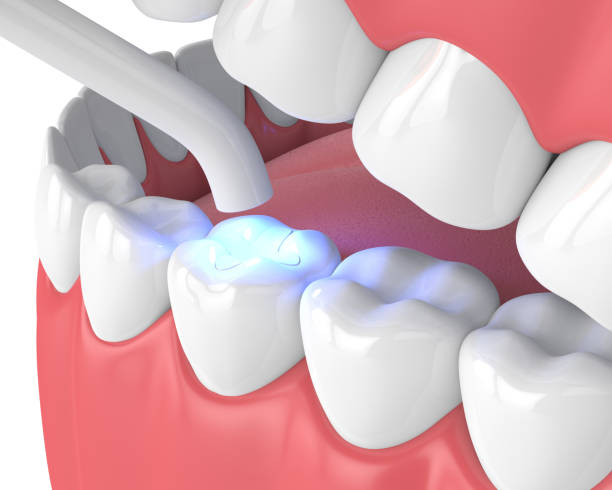
Speed and Effectiveness of Dental Fillings in Abu Dhabi
How Fast Can Cavities Be Fixed?
Dental tooth filling treatment in Abu Dhabi is known for its prompt results. Once the decayed tissue is removed and the filling is placed, the tooth is restored to its normal function almost immediately. Patients can often eat and speak normally shortly after the procedure.
Factors That Affect the Speed of Treatment
Several factors influence how quickly a cavity can be fixed. These include the size and location of the decay, the type of filling material used, and the patient's oral health. Larger or more complex cavities might require additional time or specialized techniques, but most cases are completed swiftly.
Benefits of Fast Dental Fillings
Choosing a treatment that provides quick results means less time spent in the dental chair. It also minimizes discomfort and reduces the risk of the cavity worsening. Fast treatment options help maintain oral health efficiently, preventing complications that can arise from untreated cavities.
How the Process Works in Detail
Initial Examination and Diagnosis
The process begins with a thorough dental examination, often including X-rays, to assess the extent of decay. This step ensures that the dentist can determine the most appropriate treatment plan.
Preparing the Tooth
Once diagnosed, the tooth is numbed with local anesthesia to ensure comfort. The dentist then removes the decayed tissue using specialized tools.
Cleaning and Filling the Cavity
After removing decay, the cavity is carefully cleaned to eliminate bacteria and debris. The filling material is then placed in layers, hardened, and shaped to match the natural contours of the tooth.
Finishing Touches
Finally, the dentist polishes the filling to smooth out any rough edges and ensure a comfortable bite. This step guarantees that the restoration blends seamlessly with the surrounding teeth.
Advantages of Dental Tooth Filling Treatment
Quick and Efficient Solution
Dental fillings offer a fast and reliable way to repair cavities, often completed within a single visit. This rapid process minimizes inconvenience and discomfort for patients.
Restores Tooth Function and Aesthetics
Fillings not only restore the tooth's function but also improve its appearance. Modern materials can match the natural color of teeth, making the restoration virtually invisible.
Prevents Further Decay
By sealing the cavity, fillings protect the tooth from bacteria and prevent the progression of decay. This proactive approach helps maintain long-term oral health.
Durable and Long-lasting
With proper care, dental fillings can last many years, providing a durable solution for cavity repair. Advances in materials ensure strength and longevity.
Common Questions About Dental Tooth Filling Treatment
How long does a dental filling last?
The lifespan of a filling varies depending on the material used, oral habits, and oral hygiene practices. Typically, fillings can last from several years up to a decade or more with proper maintenance.
Is the procedure painful?
Most patients experience minimal discomfort during the procedure due to local anesthesia. Post-procedure sensitivity may occur temporarily but usually subsides quickly.
Are there different types of fillings suitable for my needs?
Yes, the choice of filling material depends on the location of the cavity, aesthetic preferences, and functional requirements. The dentist will recommend the most suitable option based on individual needs.
Can a dental filling be replaced or repaired?
Yes, if a filling becomes damaged or worn over time, it can be replaced or repaired through a simple procedure, restoring the integrity of the tooth.
How soon can I eat after the procedure?
Patients are generally advised to wait until the anesthesia wears off before eating. After that, normal eating routines can usually resume, with some precautions if the filling is newly placed.
Conclusion
Dental tooth filling treatment in Abu Dhabi provides a fast, effective, and reliable solution for cavities. With the ability to restore teeth within a single appointment, patients can quickly regain their dental health and confidence. The procedure’s efficiency, combined with modern materials, makes it an excellent choice for those seeking prompt relief from tooth decay. Regular dental visits and good oral hygiene are essential in maintaining the results of fillings and ensuring ongoing oral health.
READ MORE : Does Dental Tooth Filling Treatment Hurt After Care?