Can Eczema Treatment Reduce Redness?

Eczema is a common skin condition that affects many individuals, causing inflammation, irritation, and noticeable redness. For those seeking effective solutions, Eczema Treatment Abu Dhabi offers a range of options designed to alleviate symptoms and improve skin health. One of the primary concerns for people with eczema is redness, which can be persistent and distressing. Fortunately, many treatments focus on reducing this redness and calming inflamed skin. Understanding how eczema treatments can help diminish redness can empower individuals to choose the most suitable approach for their needs.
Understanding Eczema and Redness
What Causes Redness in Eczema?
Redness in eczema results from inflammation within the skin layers. When the skin's barrier is compromised, it becomes more vulnerable to irritants and allergens, leading to an immune response that manifests as redness. This inflammation can be exacerbated by scratching, dryness, or environmental factors, making the skin appear irritated and inflamed.
The Role of Inflammation in Eczema
Inflammation is a key component of eczema, contributing to symptoms like redness, swelling, and discomfort. Controlling inflammation is vital in managing the condition effectively and reducing visible redness on the skin.
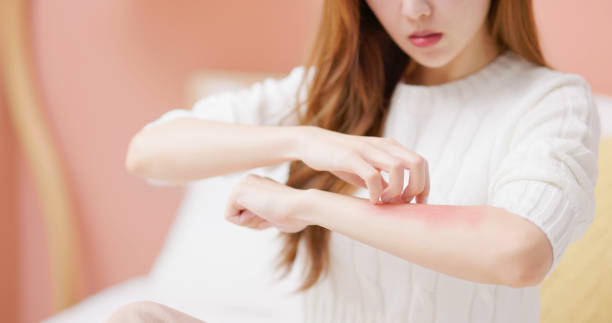
How Eczema Treatments in Abu Dhabi Help in Reducing Redness
Targeted Anti-Inflammatory Therapies
Many eczema treatments focus on reducing inflammation, which directly impacts redness. These therapies can include topical applications that soothe the skin and calm inflamed areas. When inflammation decreases, redness usually diminishes significantly.
Moisturization and Barrier Repair
Healthy skin barrier function is essential in managing eczema. Treatments that enhance moisture retention and repair the skin barrier help prevent flare-ups that cause redness. Regular moisturizing creates a protective layer that shields the skin from irritants and allergens.
Use of Specialized Skincare Products
Certain skincare products used in eczema treatment are formulated to minimize redness. These include gentle cleansers and emollients that do not strip the skin of natural oils, thereby reducing irritation and redness.
Phototherapy and Light-Based Treatments
In some cases, light-based therapies are employed to manage eczema symptoms. These treatments can help decrease inflammation and redness by modifying the immune response within the skin.
Consistent Management and Follow-Up Care
Regular follow-up with skincare professionals ensures that treatments are tailored to the individual's skin response. Proper management can lead to sustained reduction in redness and overall improvement in skin condition.
Common Eczema Treatment Approaches for Redness Reduction
Topical Corticosteroids
These are often prescribed to reduce acute inflammation and redness. When used appropriately, they can rapidly soothe inflamed skin and diminish redness.
Topical Calcineurin Inhibitors
These non-steroidal medications help calm the immune response in the skin, leading to decreased redness and inflammation over time.
Emollients and Moisturizers
Consistent use of emollients helps maintain skin hydration, which is crucial in reducing redness caused by dryness and irritation.
Avoidance of Triggers
Identifying and avoiding environmental or dietary triggers can prevent flare-ups that lead to redness, helping maintain calmer, less inflamed skin.
Lifestyle Tips to Support Redness Reduction
Gentle Skin Care Routine
Using mild, fragrance-free cleansers and avoiding harsh soaps helps keep the skin calm and reduces redness.
Wearing Appropriate Clothing
Loose, breathable fabrics minimize skin irritation and reduce the likelihood of redness caused by friction or sweating.
Managing Stress
Stress can exacerbate eczema symptoms, including redness. Incorporating relaxation techniques can help keep flare-ups under control.
Environmental Control
Maintaining a comfortable indoor environment, avoiding extreme temperatures, and using humidifiers can support skin health and reduce redness.
FAQs About Eczema Treatment and Redness Reduction
Can eczema treatment completely eliminate redness?
While many treatments significantly reduce redness, complete elimination depends on the severity of the condition and individual response. Consistent management often leads to notable improvements.
How long does it take to see redness reduction after starting treatment?
Results vary, but many individuals notice a decrease in redness within a few days to weeks of starting effective treatment. Patience and adherence to the prescribed regimen are essential.
Are there specific treatments more effective for redness?
Treatments that target inflammation, such as topical corticosteroids or calcineurin inhibitors, are typically effective in reducing redness. Combining these with moisturizers enhances results.
Can lifestyle changes impact redness?
Yes, adopting gentle skincare routines, avoiding triggers, and managing stress can significantly influence redness levels and overall skin health.
Is redness a sign of worsening eczema?
Not necessarily. Redness often indicates inflammation, which can be managed with appropriate treatment. If redness persists or worsens despite treatment, consulting a skincare professional is advisable.
Final Thoughts
Eczema Treatment in Abu Dhabi offers a comprehensive approach to managing redness and other symptoms associated with eczema. By targeting inflammation, maintaining skin hydration, and avoiding irritants, individuals can achieve calmer, healthier skin. Regular care and adherence to recommended treatments are key to reducing redness and improving quality of life for those affected by eczema.
READ MORE : How Long Does Eczema Treatment Take?