Can Hair Transplant Stop Hair Fall?

Hair fall is a concern that affects confidence, appearance, and emotional well-being. Many people search for long-term solutions after trying oils, supplements, and topical treatments with limited success. One option that often comes up is Hair Transplant in Dubai, which raises an important question: can a hair transplant actually stop hair fall, or does it only restore lost hair?Understanding how hair loss works and what a transplant can realistically achieve is essential before setting expectations.
Understanding Why Hair Fall Happens
Hair fall does not occur randomly. It is usually influenced by genetics, hormones, lifestyle factors, stress, and aging. The most common cause is pattern hair loss, where certain hair follicles gradually shrink and stop producing hair altogether.
Not all hair on the scalp behaves the same way. Some follicles are genetically sensitive to hormones, while others are more resistant. This difference is the foundation of how hair restoration techniques work.
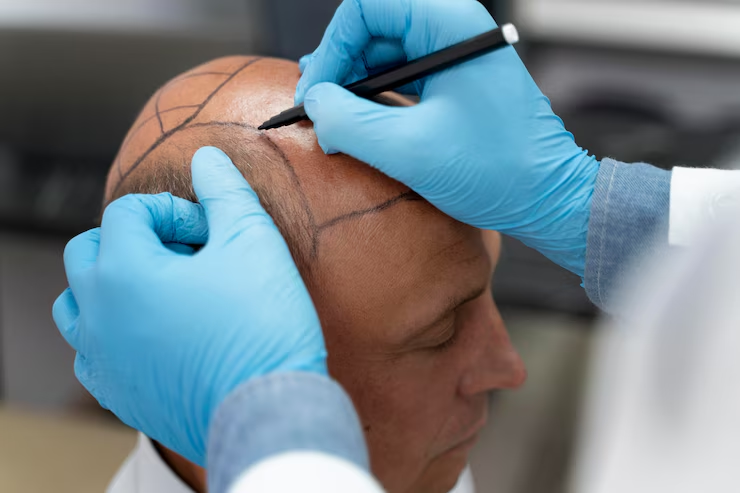
What a Hair Transplant Really Does
A hair transplant does not cure hair loss in the traditional sense. Instead, it redistributes hair from areas that are resistant to hair fall to areas where thinning or baldness has already occurred.
How Transplanted Hair Behaves
The hair follicles used in a transplant are typically taken from the back or sides of the scalp. These follicles are genetically programmed to be more resilient. Once relocated, they retain this resistance even in their new position.
Because of this, transplanted hair usually continues to grow for a lifetime, behaving much like it did in the donor area.
Does It Stop Hair Fall Completely?
A hair transplant stops hair fall only in the transplanted follicles. It does not prevent existing, non-transplanted hair from thinning or falling over time. This distinction is critical for anyone considering the procedure.
Hair Transplant vs Ongoing Hair Loss
One common misconception is that a hair transplant freezes hair loss entirely. In reality, hair loss is a progressive condition for many individuals.
What Happens to Native Hair?
The natural hair surrounding transplanted follicles may continue to thin due to genetics or age. This is why long-term planning is an important part of the hair restoration journey.
Without proper planning, someone might have permanent transplanted hair surrounded by thinning native hair, which can affect the overall appearance.
Why Timing Matters
Undergoing a transplant too early, before hair loss patterns are established, can make future thinning more noticeable. A well-timed procedure considers not only current hair loss but also potential future changes.
Can a Hair Transplant Reduce the Appearance of Hair Fall?
While it may not stop all hair fall, a transplant can significantly reduce how noticeable hair loss appears.
Visual Density and Coverage
Strategic placement of follicles can create the illusion of thicker, fuller hair. Even if some natural hair continues to thin, the presence of transplanted hair often maintains a youthful and balanced look.
Psychological Impact
Many people report increased confidence and reduced anxiety after restoration. Feeling better about one’s appearance can make ongoing minor hair fall feel less concerning.
Long-Term Results and Maintenance
Hair transplantation is best viewed as part of a long-term hair management approach rather than a one-time fix.
Lifestyle and Hair Health
Healthy habits such as proper nutrition, stress management, and scalp care play a role in maintaining both transplanted and natural hair. While they may not reverse genetic hair loss, they can support overall hair quality.
Future Touch-Ups
Some individuals may choose additional procedures later in life as hair loss progresses. This does not mean the initial transplant failed; it simply reflects the natural evolution of hair loss.
Is a Hair Transplant the Right Solution for You?
Whether a hair transplant can stop hair fall depends on your expectations. If the goal is to permanently restore lost hair in specific areas, the answer is yes. If the goal is to halt all future hair fall across the scalp, the answer is more nuanced.
Setting Realistic Expectations
Understanding that transplanted hair is permanent while natural hair may continue to change helps set realistic outcomes. When expectations align with reality, satisfaction tends to be much higher.
Final Thoughts
So, can a hair transplant stop hair fall? It stops hair loss in the transplanted follicles but does not stop the natural aging or genetic process affecting existing hair. However, it remains one of the most effective and lasting solutions for restoring hair and improving appearance.