Can Hair Transplant Treat Genetic Hair Loss?

Genetic hair loss, often called androgenetic alopecia, affects millions worldwide, manifesting as gradual thinning or baldness. People seeking solutions frequently explore advanced treatments, including hair restoration options. Among these, Hair Transplant in Dubai has become a popular consideration for those facing hereditary hair loss. While many associate transplants with cosmetic enhancement, their relevance to genetic hair loss raises questions regarding effectiveness, suitability, and long-term management strategies for naturally receding hairlines.
Understanding Genetic Hair Loss
Genetic hair loss is a hereditary condition passed down through family lines. It usually begins subtly, with thinning at the temples or crown, progressing over time. Both men and women can experience this condition, though patterns differ, with men often forming an M-shaped hairline and women experiencing diffuse thinning. Recognizing genetic predisposition early allows individuals to explore interventions and lifestyle adjustments to manage progression effectively before noticeable baldness develops.
Who Can Consider Hair Transplants
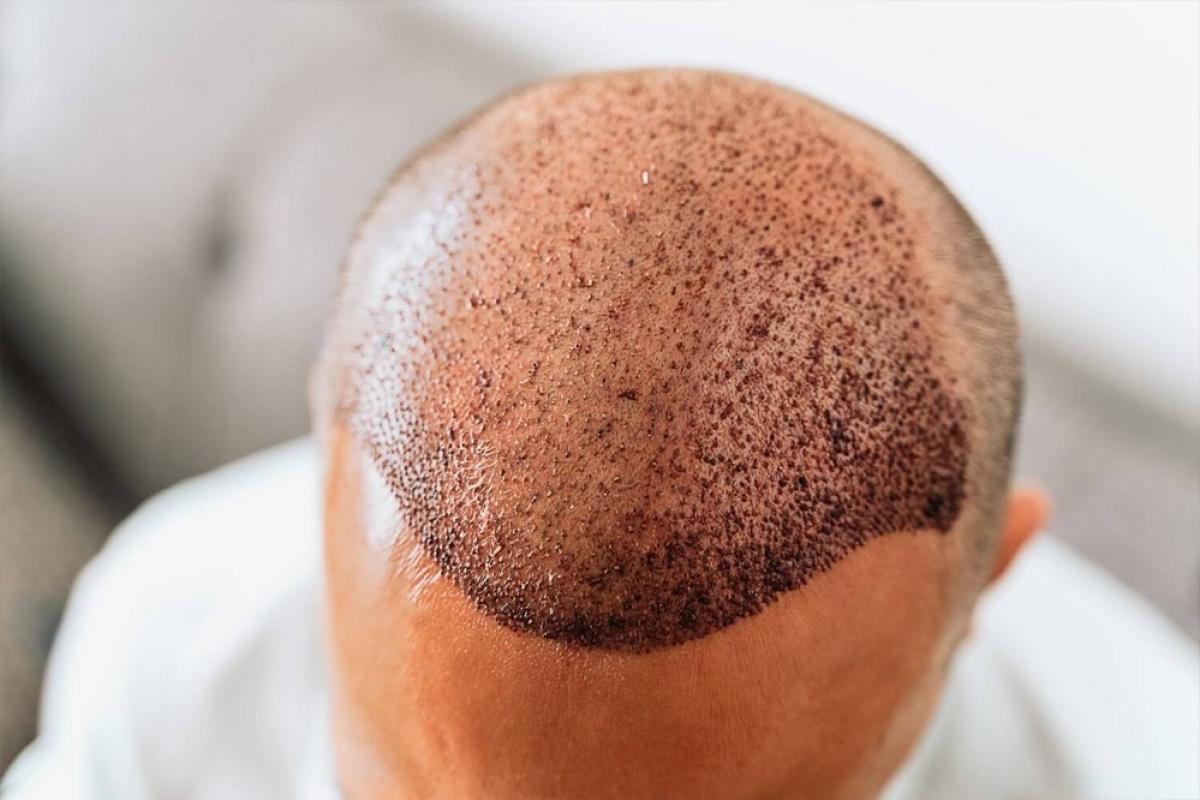
Hair transplants may be suitable for individuals with stabilized hair loss, where thinning areas have been clearly identified. Candidates often have sufficient donor hair in other scalp regions, enabling successful relocation to balding areas. Understanding personal hair loss patterns is essential, as sudden shedding or diffuse thinning may indicate other underlying conditions. Consulting professionals helps in evaluating whether transplantation aligns with genetic hair loss requirements.
Benefits of Hair Transplant for Genetic Hair Loss
A hair transplant offers targeted hair restoration for genetically affected areas, potentially improving appearance and confidence. It can help fill receding hairlines, increase density in thinning regions, and create natural-looking hair patterns that blend with existing hair. This targeted approach addresses localized hair loss effectively while maintaining the health of surrounding follicles. Regular monitoring and care enhance the long-term benefits of this solution for hereditary hair thinning.
Factors Affecting Success
- Donor hair density
- Age at the time of treatment
- Extent of hair loss
- Overall scalp health
- Lifestyle and maintenance habits
Long-Term Maintenance
Maintaining the results of a hair transplant requires attention to overall hair health. Proper scalp care, nutrition, and managing environmental stressors are essential. Regular monitoring helps identify early signs of ongoing genetic hair loss, allowing for timely intervention. Incorporating gentle hair care routines, avoiding harsh chemicals, and using supportive products can preserve transplanted hair and prevent additional thinning in surrounding areas over time.
Lifestyle Considerations
- A balanced diet rich in vitamins and proteins
- Avoiding excessive heat or chemical styling
- Stress management techniques
- Proper sleep routines
- Regular scalp cleansing
Common Misconceptions
A common misconception is that hair transplants permanently prevent future hair loss. While transplanted hair typically retains resistance to genetic thinning, adjacent untreated areas may continue to thin. Another myth is that transplants guarantee dense coverage, which depends on donor availability and the individual’s hair characteristics. Understanding realistic expectations helps in planning interventions that complement ongoing management strategies rather than providing a one-time solution.
Psychological Impact
While not focusing on medical or procedural aspects, it is important to note that visible improvement in hair appearance can influence self-esteem and social perception. For many, addressing thinning areas reduces anxiety related to hair loss. Achieving a fuller-looking hairline or density can positively affect confidence, daily interactions, and personal image. Even small enhancements may encourage individuals to maintain consistent hair health practices over time.
Alternative Complementary Approaches
- Topical treatments
- Low-level laser therapy
- Nutritional supplements
- Scalp massage routines
- Stress reduction programs
Final Thoughts
Hair transplants offer a viable option for addressing specific areas affected by genetic hair loss. While not a cure for ongoing hereditary thinning, they can restore density and improve aesthetic appearance effectively. Success depends on individualized factors, proper maintenance, and realistic expectations. Complementary approaches and healthy habits enhance long-term outcomes. Understanding the scope and limitations of hair restoration allows individuals to make informed decisions about managing hereditary hair loss confidently.