Can Hair Transplants Address Pattern Baldness Successfully?

Hair loss affects millions worldwide, and pattern baldness is among the most common concerns, often impacting confidence and self-esteem. Modern advancements in hair restoration have made it possible to achieve natural-looking results for many individuals. One solution that has garnered immense attention is hair transplantation. Hair Transplant in Dubai has emerged as a leading procedure for those looking to restore their hairline effectively. With experienced surgeons specializing in the latest transplantation techniques, patients can achieve results that are both natural and long-lasting.
Understanding Pattern Baldness
Pattern baldness, medically known as androgenetic alopecia, is a hereditary condition that causes hair thinning and loss over time. It typically begins with a receding hairline or thinning at the crown and progresses gradually. Understanding the nature of this hair loss is essential for determining the best course of treatment.
How Hair Transplantation Works?
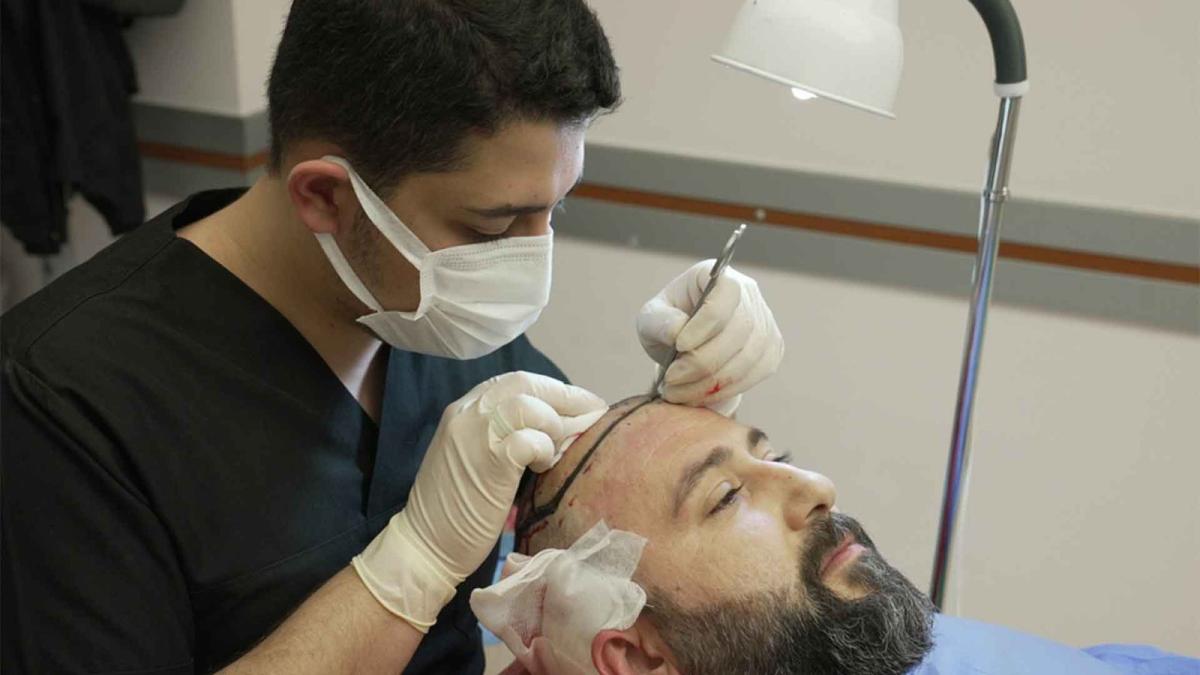
Hair transplantation involves relocating hair follicles from one part of the scalp, usually the back or sides, to areas experiencing thinning or baldness. The process is meticulous and requires precision to ensure the transplanted hair blends seamlessly with existing hair. Surgeons carefully assess hair density, direction, and scalp health before performing the procedure.
Advanced Techniques in Hair Transplants
Modern hair transplants utilize two primary techniques:
FUE (Follicular Unit Extraction): Individual hair follicles are extracted and implanted in the thinning areas, minimizing scarring and ensuring faster recovery.
FUT (Follicular Unit Transplantation): A strip of scalp with healthy hair follicles is removed, dissected into grafts, and transplanted to the target area, providing high-density results.
Role of Surgeon Expertise
The success of a hair transplant largely depends on the skill and specialization of the surgeon. Experienced professionals are trained to:
Evaluate scalp and hair health accurately
Design natural-looking hairlines
Select the best technique suited for individual needs
Ensure proper implantation angles for natural hair growth
Natural-Looking Results
One of the key benefits of hair transplantation is achieving results that look entirely natural. The placement of follicles is carefully planned to mimic natural hair growth patterns. Patients often report that others cannot distinguish between transplanted and native hair, making it a preferred choice for those seeking subtle yet effective transformation.
Longevity of Transplanted Hair
Unlike temporary solutions such as wigs or topical treatments, hair transplantation provides a permanent solution to pattern baldness. Once the transplanted follicles establish themselves in the recipient area, they continue to grow naturally. This longevity makes hair transplants a sustainable investment for self-confidence and appearance.
Recovery and Care
Post-procedure care plays a crucial role in the success of hair transplants. Patients are advised to:
Avoid strenuous activity for a few days
Keep the scalp clean and hydrated
Follow prescribed medications and topical treatments
Protect the scalp from direct sunlight
Who Can Benefit Most?
Hair transplantation is suitable for both men and women experiencing pattern baldness. Ideal candidates are those who:
Have sufficient donor hair for transplantation
Are in good overall health
Desire a permanent solution for hair loss
Have realistic expectations regarding results
Additional Benefits Beyond Hair Restoration
Apart from restoring hair, the procedure offers several psychological and social benefits:
Boost in self-confidence
Improved personal and professional image
Reduction in anxiety related to appearance
Enhanced satisfaction with overall appearance
Preparing for a Hair Transplant
Preparation is key to ensuring optimal results. Patients are encouraged to:
Attend a detailed consultation with the surgeon
Understand the procedure and recovery process
Avoid medications that could affect healing
Maintain a healthy lifestyle to support hair growth
FAQ's:
Can hair transplants restore a completely bald scalp?
Hair transplants work best when there is sufficient donor hair. Complete baldness may require multiple sessions for optimal coverage.
Is hair transplantation suitable for women with pattern baldness?
Yes, women with thinning hair can benefit from hair transplants, especially if they have healthy donor areas.
How soon will I see visible results?
New hair growth typically begins 3 to 4 months after the procedure, with full results visible after 12 to 18 months.
Do transplanted hairs require special care?
Transplanted hairs can be cared for like natural hair. Regular washing, trimming, and gentle styling are recommended.
Will the transplanted hair continue to grow permanently?
Yes, once successfully transplanted, the hair follicles grow naturally and permanently, maintaining density over time.
Conclusion
Hair transplantation has revolutionized the way pattern baldness is addressed, offering a permanent, natural-looking solution for those struggling with hair loss. With specialized surgeons, advanced techniques, and meticulous planning, patients can regain their hairline and confidence effectively. The procedure not only restores hair but also transforms self-esteem and personal image, making it a highly recommended option for individuals seeking long-term results.