Can Hemorrhoid Treatment Help Chronic Constipation Issues?

Many individuals suffer from chronic constipation, which can lead to a variety of uncomfortable symptoms and health concerns. Often, people wonder if treating hemorrhoids might also alleviate their ongoing constipation problems. Hemorrhoid Treatment Al Ain is a common approach for those experiencing persistent discomfort, but how effective is it in helping with constipation? To answer this, it is essential to understand the connection between hemorrhoids and constipation and how treatment options can influence bowel habits.
What Are Hemorrhoids?
Hemorrhoids are swollen blood vessels located in the lower rectum and anus. They can develop due to increased pressure in the area, often caused by straining during bowel movements, prolonged sitting, or other factors. Hemorrhoids can cause symptoms such as pain, itching, bleeding, and swelling, making daily activities uncomfortable.
The Relationship Between Hemorrhoids and Chronic Constipation
Chronic constipation is characterized by infrequent bowel movements, difficulty passing stool, or feeling of incomplete evacuation. When constipation persists, it often results in straining during bowel movements, which can contribute to the development or worsening of hemorrhoids.
Conversely, hemorrhoids can make bowel movements more painful or uncomfortable, leading individuals to avoid passing stool altogether. This avoidance can worsen constipation, creating a cycle of discomfort and bowel irregularity.
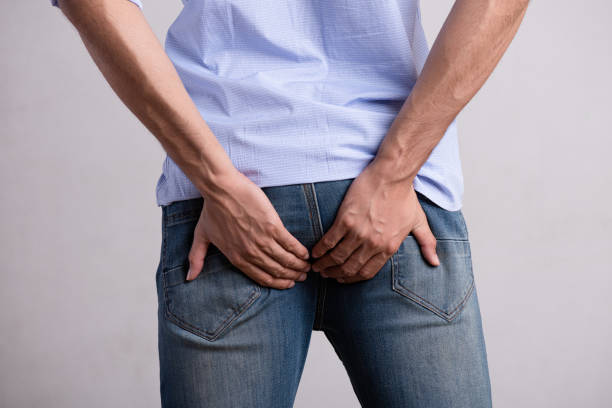
How Hemorrhoid Treatment in Al Ain Can Influence Constipation
Addressing hemorrhoids through appropriate treatment can significantly impact a person's bowel habits. Here are some ways that effective hemorrhoid treatment may help alleviate chronic constipation issues:
Reducing Pain and Discomfort During Bowel Movements
When hemorrhoids are treated successfully, pain and swelling decrease, making bowel movements less painful. This reduction in discomfort encourages regular and complete evacuation of the bowels, which can improve overall bowel health.
Restoring Normal Bowel Function
Some hemorrhoid treatments focus on reducing inflammation and swelling, helping restore normal functioning of the anal canal. Improved function can facilitate easier passage of stool, reducing the urge to strain and decreasing the likelihood of further hemorrhoid development.
Breaking the Cycle of Straining and Constipation
Effective treatment can break the vicious cycle where constipation worsens hemorrhoids, and hemorrhoids, in turn, make bowel movements more difficult. Once hemorrhoids are managed, individuals often find it easier to establish healthy bowel habits, including regularity and proper stool consistency.
Encouraging Behavioral Changes
Treatment for hemorrhoids frequently includes education on lifestyle modifications. These may involve dietary changes, hydration, and proper toileting habits—all of which are essential in managing chronic constipation.
The Role of Lifestyle Modifications Post-Treatment
Even after undergoing hemorrhoid treatment, maintaining certain lifestyle habits can further improve bowel health and prevent the recurrence of hemorrhoids or constipation.
Dietary Adjustments
Increasing fiber intake through fruits, vegetables, and whole grains helps create softer stools that are easier to pass. Adequate hydration also plays a crucial role in preventing hard, dry stools.
Regular Bowel Habits
Establishing a routine for bowel movements, such as setting aside time each day, can promote consistency. Avoiding delaying urges and not straining during defecation support ongoing bowel health.
Physical Activity
Engaging in regular exercise stimulates intestinal function, which can help prevent constipation and reduce the pressure on hemorrhoids.
Medical Procedures for Hemorrhoids and Their Impact on Constipation
Various medical procedures are available to treat hemorrhoids effectively. These include minimally invasive techniques designed to reduce symptoms and improve anal canal function, which can positively influence bowel habits.
Rubber Band Ligation
This procedure involves placing a small band around the base of the hemorrhoid to cut off blood flow, causing it to shrink and fall off. As hemorrhoids reduce in size, discomfort diminishes, making bowel movements easier.
Sclerotherapy
In this technique, a solution is injected into hemorrhoidal tissue to cause it to harden and shrink. The result can be less pain and swelling, facilitating smoother bowel movements.
Other Minimally Invasive Treatments
Additional options may include infrared coagulation or stapling procedures, all aimed at alleviating symptoms that interfere with normal bowel function.
FAQs About Hemorrhoid Treatment in Al Ain and Constipation
Can treating hemorrhoids eliminate chronic constipation?
While hemorrhoid treatment can significantly reduce discomfort and improve bowel habits, managing chronic constipation often requires a comprehensive approach that includes dietary and lifestyle modifications. Treating hemorrhoids is a valuable step toward that goal but may not be the sole solution.
Are there specific treatments that directly target constipation?
Medical treatments for constipation often involve stool softeners, laxatives, or other interventions prescribed by healthcare providers. These are generally used alongside hemorrhoid treatments to promote regularity and ease of bowel movements.
How long does it take to see improvements in bowel habits after hemorrhoid treatment?
Most individuals notice a decrease in pain and discomfort within days to weeks after treatment. Improvements in bowel habits can follow as the anal canal heals and inflammation reduces.
Is it necessary to undergo treatment for hemorrhoids if experiencing chronic constipation?
Not necessarily. While treating hemorrhoids can improve associated symptoms and potentially ease bowel movements, managing chronic constipation often involves additional measures such as dietary changes and lifestyle adjustments.
Can lifestyle changes post-treatment prevent the recurrence of hemorrhoids and constipation?
Absolutely. A healthy diet rich in fiber, adequate hydration, regular exercise, and proper toileting habits are essential in preventing both hemorrhoids and constipation from recurring.
Final Thoughts
Hemorrhoid Treatment in Al Ain can be an effective part of managing chronic constipation issues by alleviating pain, reducing swelling, and restoring normal anal function. When combined with healthy lifestyle habits, it can contribute to more regular, comfortable bowel movements and overall improved bowel health. For those struggling with ongoing constipation and hemorrhoid symptoms, seeking appropriate treatment options can make a meaningful difference in daily comfort and well-being.
READ MORE : When Is the Right Time for Hemorrhoid Treatment ?