Can Hijama Help With Muscle Recovery After Exercise?

Recovering from intense workouts is just as important as the exercise itself. Athletes and fitness enthusiasts are always looking for safe and effective ways to reduce muscle soreness, improve circulation, and speed up recovery. One therapy gaining attention in recent years is Hijama, or cupping therapy.Hijama Cupping Therapy in Islamabad has become increasingly popular among those seeking alternative and complementary methods for post-exercise recovery. This traditional healing technique is not only rooted in history but also endorsed by many modern practitioners for its potential benefits in muscle repair and relaxation.In this article, we answer some of the most frequently asked questions about Hijama and its role in muscle recovery, backed by evidence and practical advice.
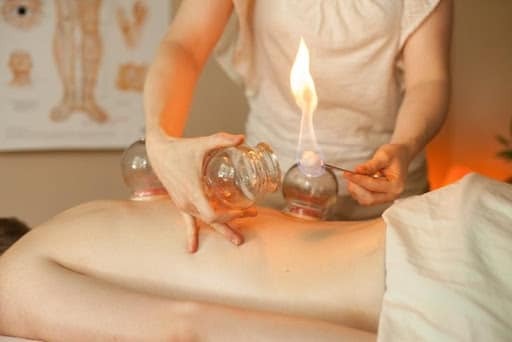
What Is Hijama and How Does It Work?
Hijama, also known as cupping therapy, is an ancient practice in which special cups are applied to the skin to create suction. The suction can be created either through heat (fire cupping) or mechanical pumps.
This suction is believed to:
Increase blood flow to targeted areas
Promote lymphatic drainage
Reduce inflammation
Release tension in muscles
For athletes, these effects may translate to quicker recovery from workouts, reduced muscle soreness, and improved flexibility.
Can Hijama Reduce Muscle Soreness After Exercise?
Many individuals report that their muscles feel less stiff and sore after a session of Hijama. The therapy may help reduce Delayed Onset Muscle Soreness (DOMS) by increasing circulation and oxygen delivery to tired muscles.
A small number of studies have suggested that cupping may:
Lower perceived pain levels
Enhance the removal of metabolic waste from muscle tissues
Relax tight muscles, which could reduce the risk of cramps
However, while research is promising, it is important to remember that Hijama should complement, not replace, proper stretching, hydration, and nutrition.
Is Hijama Safe for Post-Workout Recovery?
When performed by a trained professional, Hijama is generally safe. However, there are a few precautions to consider:Avoid cupping on broken skin, bruises, or infections.People with blood disorders, skin conditions, or low blood pressure should consult a doctor first.Sessions should be spaced appropriately to avoid excessive skin irritation.Most patients experience mild redness or temporary circular marks, which usually fade within a few days.
How Often Should I Do Hijama for Muscle Recovery?
The frequency of Hijama therapy depends on your activity level and recovery goals. General recommendations include:For athletes: 1–2 sessions per week during intense training periodsFor casual exercisers: 1 session every 2–3 weeks may suffice.After major workouts: Target specific sore areas rather than full-body sessionsIt is best to work with a licensed practitioner who can assess your needs and schedule sessions safely.
Quick Facts: Hijama vs. Other Recovery Methods
Recovery Method
Benefits
Considerations
Hijama (Cupping)
Improves blood flow, relieves muscle tension
Temporary bruising, requires trained therapist
Massage Therapy
Reduces soreness, improves flexibility
Costly, may not reach deep tissues
Stretching & Mobility
Prevents stiffness, improves range of motion
Needs consistent practice
Ice Therapy
Reduces inflammation, numbs pain
Short-term effect, may delay healing if overused
Heat Therapy
Relaxes muscles, improves circulation
Avoid if acute inflammation
This table helps you compare Hijama with other recovery methods and understand where it fits in your post-exercise routine.
What Areas Are Targeted During Hijama for Muscle Recovery?
Practitioners typically focus on areas that experience the most strain during exercise. Commonly targeted regions include:Back and shoulders (especially after weightlifting)Thighs and calves (for runners)Arms (for sports involving repetitive motion)Lower back (for core-intensive workouts)The practitioner may also use dry cupping (leaving suction only) or wet cupping (removing small amounts of blood) depending on the therapy protocol and the patient’s health.
How Quickly Can I Expect Results from Hijama?
Results vary from person to person. Some individuals notice:Reduced muscle soreness immediately after the sessionIncreased flexibility and range of motion within 24–48 hours.Gradual improvements in overall recovery when sessions are done consistently.Consistency is key, as benefits may accumulate over multiple sessions. Combining Hijama with proper nutrition, hydration, and rest will maximize results.
Reviews: What People Are Saying About Hijama
Many fitness enthusiasts and professional athletes have shared positive experiences with Hijama:
"I started cupping after long runs, and my calves felt less tight. The circular marks were surprising at first, but the relief was worth it."
"Hijama sessions have become part of my weekly recovery routine. My back muscles feel looser, and I recover faster between workouts."
"I was skeptical initially, but after three sessions, I noticed less soreness and better energy during my workouts."
These reviews reflect the anecdotal benefits many people experience, though individual results may vary.
Can Hijama Help Prevent Workout Injuries?
By improving blood circulation, reducing muscle tension, and promoting flexibility, Hijama may indirectly help prevent injuries. While it does not replace proper warm-up, strength training, or recovery protocols, it can:
Reduce the risk of muscle strains
Help muscles relax after intense activity
Support quicker healing of minor injuries
Again, Hijama should be integrated as part of a comprehensive injury-prevention plan.
Are There Any Side Effects of Hijama?
Most side effects are mild and temporary. Common reactions include:
Circular red or purple marks (similar to bruises)
Mild soreness in cupped areas
Temporary lightheadedness in sensitive individuals
Severe side effects are rare and usually occur only if performed incorrectly. Always choose a licensed practitioner to minimize risk.
How to Combine Hijama With Other Recovery Techniques?
Hijama works best when combined with complementary recovery strategies:
Stretching: Enhances flexibility and reduces stiffness.
Hydration: Helps flush out toxins released during cupping.
Nutrition: Protein-rich meals support muscle repair.
Sleep: Deep sleep boosts recovery and reduces inflammation.
Massage or Foam Rolling: Targets areas that may need more localized relief.
By integrating Hijama into a holistic recovery plan, you can maximize benefits and accelerate healing.
Conclusion
Hijama Cupping Therapy offers a promising alternative for post-exercise muscle recovery. By improving circulation, reducing tension, and promoting relaxation, it can help reduce soreness and enhance overall recovery. While research is still growing, many athletes and fitness enthusiasts have reported positive experiences .Remember to approach Hijama as a complementary therapy, alongside proper exercise, nutrition, and rest. Always consult with a licensed practitioner, especially if you have underlying health conditions.
Contact Us
If you are looking to try Hijama Cupping Therapy in Islamabad, Glamorous Clinic offers professional and safe sessions tailored for post-exercise recovery.
Address : Office Number LG 20 - 21 Interlace Plaza I-8 Markaz Islamabad
Phone : +92 333 5705871
Email : info@glamorousclinic.com.pk
Link : https://www.glamorousclinic.com.pk/