Can Laser Tattoo Removal Remove Stubborn Pigment?

Tattoos often hold a personal story, but over time, many find themselves wanting to remove designs that no longer resonate. The process of tattoo removal has evolved dramatically with advancements in laser technology. For individuals struggling with stubborn pigments that seem resistant to fading, laser treatments offer a promising solution. Laser Tattoo Removal Dubai is widely recognized for effectively targeting deep-seated ink, making even the most persistent pigments fade over time with precision and safety.
Understanding Stubborn Tattoo Pigments
Stubborn pigments are often those that have been in the skin for many years or contain certain colors like blue, green, and yellow, which are more challenging to remove. These pigments may embed themselves deep in the dermis, making traditional fading methods ineffective. Laser technology works by breaking down these pigments into tiny particles that the body’s immune system can naturally eliminate.
How Laser Technology Targets Pigment?
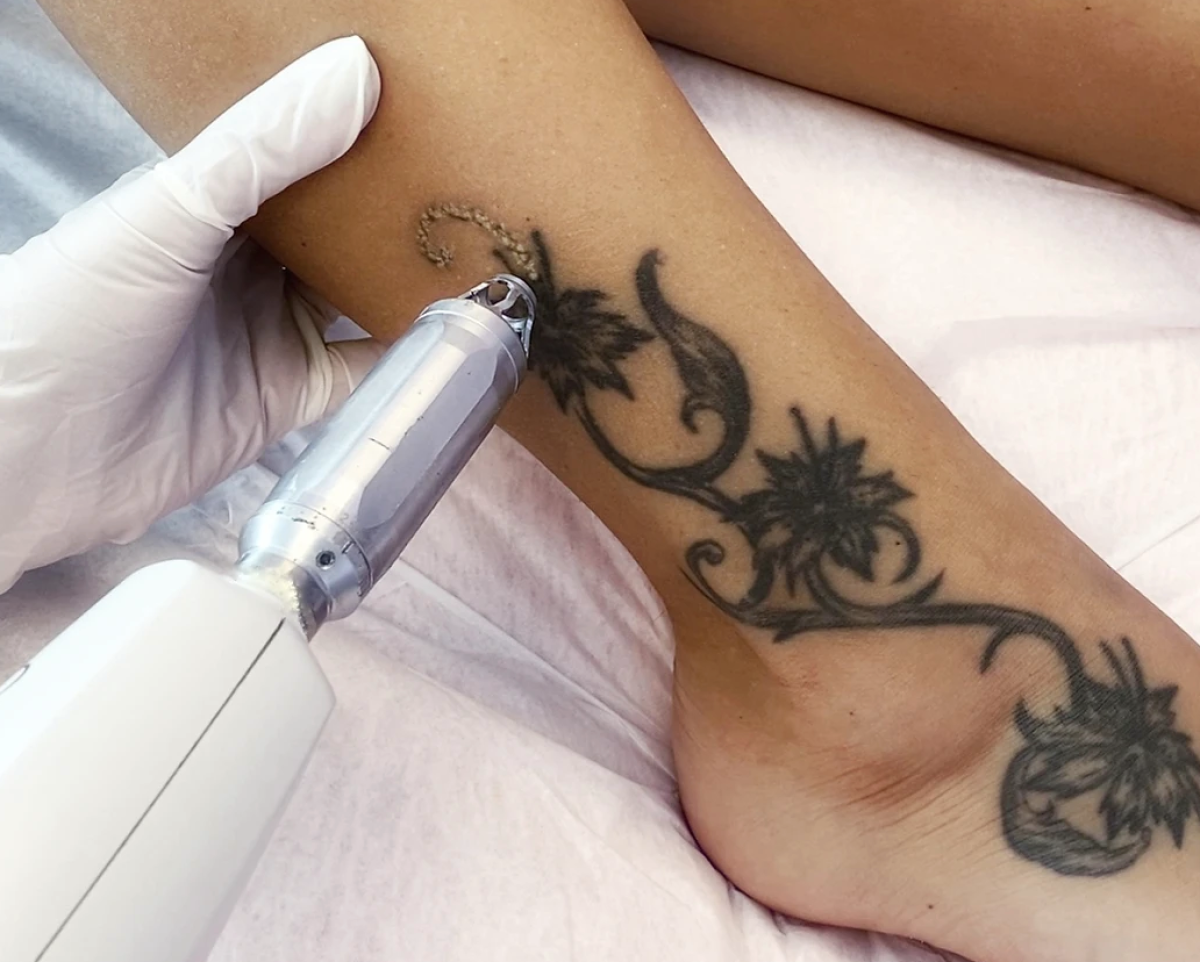
Laser tattoo removal uses high-intensity light beams to target ink particles without harming surrounding skin. Different wavelengths of laser light are used depending on the color of the tattoo. This targeted approach allows for the gradual breakdown of stubborn pigments while maintaining skin integrity.
The Role of Skilled Professionals
The success of removing resistant pigments heavily relies on the expertise of the practitioner. Doctors specializing in laser tattoo removal are trained to evaluate tattoo depth, ink composition, and skin type. Their competency ensures that each treatment is tailored for maximum efficacy. Skilled professionals also adjust laser settings in real time to enhance pigment removal without causing unnecessary trauma to the skin.
Factors Affecting Pigment Removal
Several factors influence how effectively stubborn pigments can be removed:
Tattoo color and ink type
Age of the tattoo
Skin tone and type
Location of the tattoo on the body
Patient’s immune system response
Understanding these factors allows professionals to create a treatment plan that targets pigment effectively.
Multiple Sessions for Maximum Results
Persistent pigments may not disappear in a single session. Most stubborn tattoos require multiple treatments spaced several weeks apart. This spacing allows the skin to heal and the immune system to process the fragmented ink. Each session progressively lightens the pigment, making previously resistant areas fade successfully.
Advantages of Laser Tattoo Removal
Laser treatments are considered the most effective solution for stubborn tattoos.
Precision targeting of ink particles
Safe for different skin types
Minimal risk of scarring with skilled professionals
Ability to treat large or small tattoos
Gradual fading allows for skin adaptation
These benefits make laser removal a preferred choice for those seeking to eliminate difficult pigments.
Preparing for Laser Tattoo Removal
Preparation is key to achieving the best results:
Avoid sun exposure before treatment
Keep the tattooed area clean and moisturized
Discuss medical history with the doctor
Follow pre-treatment guidelines from your specialist
Wear protective clothing and sunscreen between sessions
Proper preparation supports optimal pigment breakdown and reduces complications.
Recovery and Care
After each session, it is important to follow post-treatment care instructions carefully. This may include keeping the area clean, avoiding scratching, and applying recommended ointments. Healing varies per individual, but adhering to guidelines ensures better outcomes and quicker recovery.
The Science Behind Stubborn Pigment Removal
Stubborn pigments often result from complex ink compositions and layering techniques used in tattooing. Laser treatment breaks down these pigments using selective photothermolysis, where specific wavelengths target different ink colors. The body’s immune system then absorbs and eliminates these microscopic ink fragments over time.
Monitoring Progress
Tracking progress after each session is crucial for managing expectations and adjusting treatment plans. Skilled doctors use visual assessments and sometimes imaging tools to evaluate pigment reduction, ensuring that each session is effective and safe.
FAQ's:
Can all tattoo colors be removed effectively?
Most tattoo colors can be removed, but stubborn colors like blue, green, and yellow may require more sessions for noticeable results.
Does laser treatment damage the skin?
When performed by skilled professionals, laser treatment targets pigment while preserving surrounding skin.
How many sessions are typically required?
The number of sessions varies depending on tattoo size, color, and depth, but stubborn tattoos often need multiple treatments.
Is laser tattoo removal suitable for all skin types?
Yes, modern laser technology can safely treat various skin types when performed by experienced doctors.
How long does it take to see results?
Visible fading often occurs after a few sessions, with stubborn pigments gradually diminishing over time.
Conclusion
Laser tattoo removal has transformed the ability to remove even the most stubborn pigments safely and effectively. With precise technology and skilled professionals, patients can achieve remarkable results without compromising skin health. Understanding the factors affecting pigment removal, preparing adequately, and following professional guidance ensures the best outcomes. For those struggling with persistent ink, laser treatment offers a reliable solution, restoring confidence and allowing a fresh start.