Can Male Urine Disorders Be Caused By Infection?

While there are multiple causes, infections are one of the most prevalent contributors. Infections in the urinary tract can trigger a wide range of urinary problems, including pain, frequent urination, and difficulty emptying the bladder. Male Urine Disorders in Dubai are a common health concern that can significantly affect a man’s daily life and overall well-being. Understanding how infections affect urinary health is key to proper treatment and prevention of long-term complications.
How Infections Trigger Urinary Disorders
Urinary tract infections (UTIs) occur when bacteria enter the urinary system, often through the urethra, and multiply in the bladder, kidneys, or prostate. Men are less prone to UTIs compared to women, but when infections occur, they can be more severe. UTIs in men can result in discomfort, burning sensations during urination, cloudy or foul-smelling urine, and in some cases, fever and chills. Infections can also lead to inflammation, which can further disrupt normal urine flow and contribute to more chronic male urine disorders.
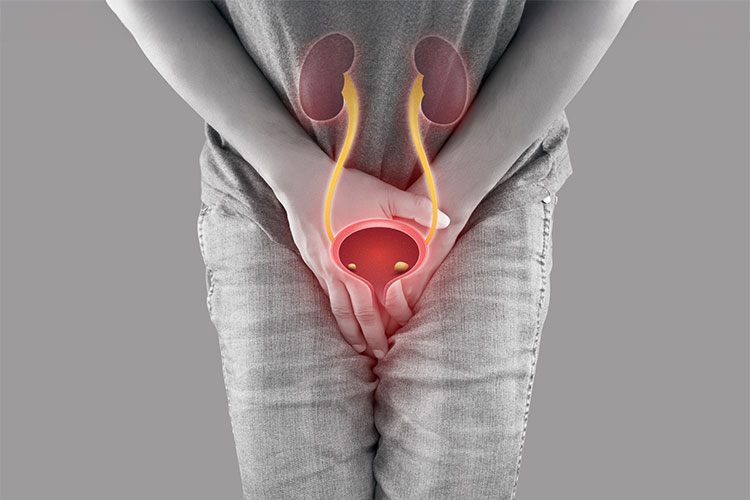
Types of Infections Affecting Men
Several types of infections can cause male urine disorders:
Bladder infections (Cystitis): These infections can cause frequent urination, a strong urge to urinate, and pain in the lower abdomen.
Urethritis: Inflammation of the urethra caused by bacterial or viral infections can result in burning sensations during urination and sometimes discharge.
Prostatitis: Infections in the prostate gland can cause pelvic pain, difficulty urinating, and sometimes fever. Chronic prostatitis may lead to long-term urinary issues if untreated.
Kidney infections (Pyelonephritis): A severe type of UTI that affects the kidneys, causing back or flank pain, fever, and changes in urine output.
These infections often require prompt diagnosis and treatment to prevent the progression to more severe urinary disorders.
Symptoms of Infection-Related Urinary Disorders
Recognizing the signs of infection is crucial for early intervention. Common symptoms of infection-related male urine disorders include:
Burning sensation while urinating
Frequent or urgent need to urinate
Cloudy, bloody, or foul-smelling urine
Lower abdominal or pelvic discomfort
Fever or chills in severe cases
Difficulty starting or stopping urination
If any of these symptoms are present, it is essential to seek medical attention promptly. Untreated infections can lead to complications such as kidney damage, chronic prostatitis, or recurrent urinary tract infections.
Risk Factors for Urinary Infections in Men
Certain factors increase the likelihood of developing infection-related urine disorders in men:
Age: Older men are more prone to prostate enlargement and urinary retention, which can lead to infections.
Weakened immune system: Conditions like diabetes can reduce the body’s ability to fight infections.
Obstruction in the urinary tract: Kidney stones, strictures, or an enlarged prostate can block urine flow and create an environment for bacterial growth.
Unprotected sexual activity: Sexually transmitted infections can affect the urethra and urinary tract.
Being aware of these risk factors can help men take preventive measures and seek timely medical advice.
Diagnosis of Infection-Related Male Urine Disorders
Accurate diagnosis is key to effectively treating infection-related urinary disorders. Healthcare providers typically use a combination of tests and evaluations, including:
Urine analysis and culture: To detect bacteria, white blood cells, and other signs of infection.
Blood tests: To check for systemic infections or kidney involvement.
Imaging tests: Ultrasound or CT scans may be used to identify obstructions, stones, or structural abnormalities.
Physical examination: Including evaluation of the prostate to detect inflammation or enlargement.
These diagnostic measures allow healthcare providers to pinpoint the source of the infection and design a targeted treatment plan.
Treatment Options for Infection-Related Urinary Disorders
Treatment typically involves antibiotics to eliminate bacterial infections. The choice of medication depends on the type of bacteria and the severity of the infection. For recurrent infections, doctors may recommend lifestyle adjustments, increased hydration, and regular monitoring of urinary health. In some cases, procedures may be necessary to remove obstructions or treat underlying conditions such as an enlarged prostate or kidney stones. Early treatment not only resolves symptoms but also prevents long-term urinary complications.
Preventive Measures
Preventing infection-related male urine disorders is possible through several lifestyle and hygiene practices:
Drink plenty of water to flush out bacteria
Practice good personal hygiene
Urinate regularly and avoid holding urine for long periods
Manage chronic health conditions like diabetes
Use protection during sexual activity to prevent sexually transmitted infections
These steps can significantly reduce the risk of infections and help maintain optimal urinary health.
Conclusion
Infections are a leading cause of male urine disorders, ranging from mild bladder infections to severe kidney infections. Understanding the symptoms, risk factors, and treatment options is crucial for maintaining urinary health and preventing complications. Early diagnosis and appropriate care can ensure effective recovery and reduce the likelihood of recurrent problems. For men seeking professional support, choosing the Best Male Urine Disorders Dubai services ensures access to advanced diagnostics, personalized treatment, and expert guidance in managing infection-related urinary disorders effectively.