Can Moles Removal Help Prevent Cancerous Cells Early?

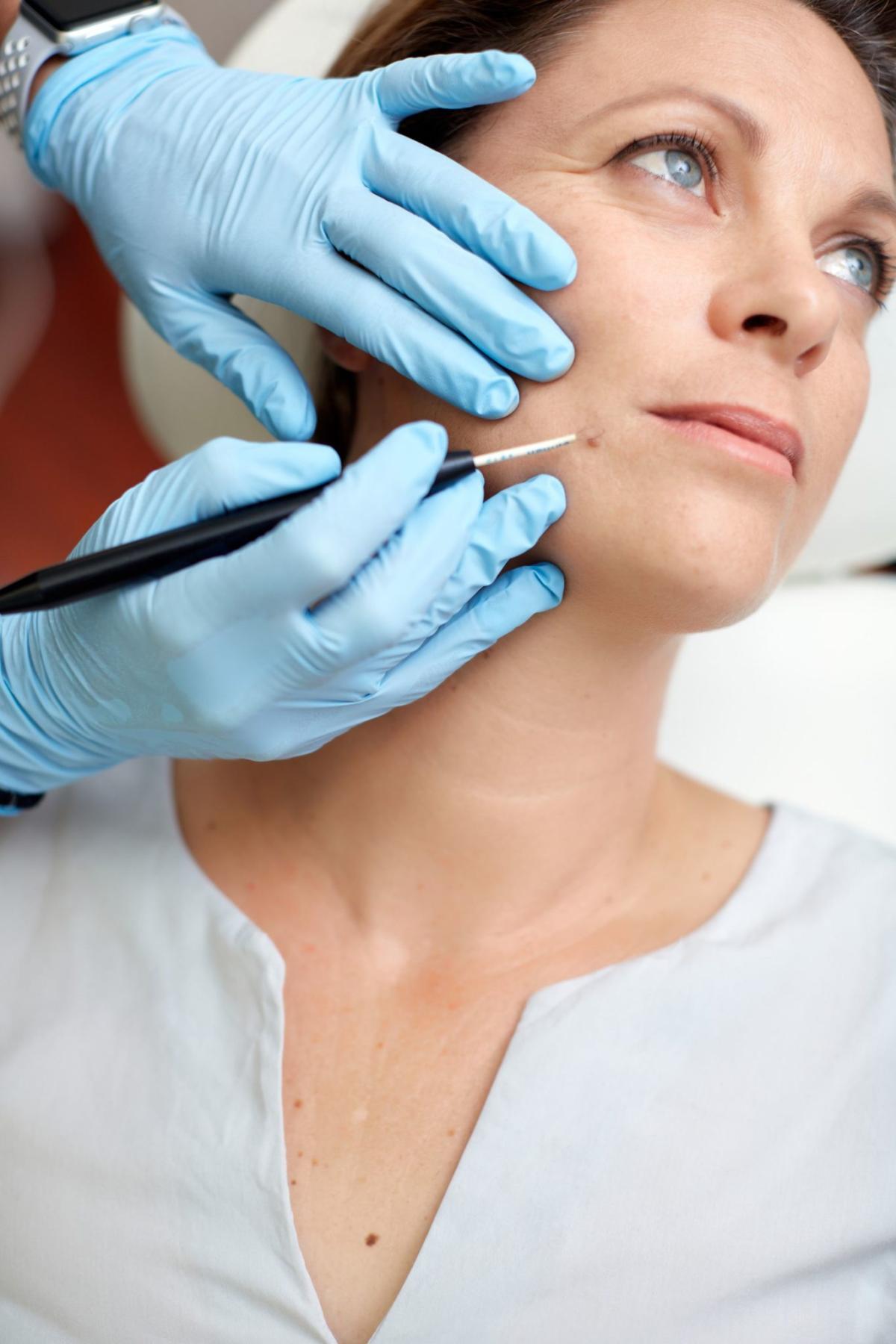
Moles are common skin growths that usually appear as small, dark spots on the skin. While most moles are harmless, changes in their size, shape, or color can sometimes indicate the early stages of skin cancer. Early intervention is key to maintaining skin health and preventing potential complications. With advancements in dermatology, Moles Removal in Dubai has become a precise and effective procedure, allowing dermatologists to identify and treat suspicious moles before they turn dangerous. Expert dermatologists specializing in mole assessments ensure that every removal is performed with precision and care, combining both medical expertise and advanced technology.
Understanding the Importance of Early Detection
Early detection of abnormal moles is crucial in preventing the progression of skin cancer. Dermatologists emphasize routine skin examinations to monitor any changes in moles. By identifying unusual growths at an early stage, patients can receive timely intervention. Early treatment significantly increases the chances of successful outcomes and reduces the risk of cancerous cells spreading to other areas of the body. Skilled dermatologists rely on their knowledge and specialized training to differentiate between benign and potentially malignant moles.
Advanced Techniques in Mole Assessment
Dermatologists use state-of-the-art techniques such as dermoscopy, digital imaging, and mole mapping to assess skin growths accurately. These technologies provide a magnified view of the mole’s structure, helping doctors identify irregular patterns that may indicate cancerous activity. With precision tools and modern procedures, mole removal can be performed safely, minimizing tissue damage while maximizing diagnostic efficiency. Specialized dermatologists ensure that each patient receives a tailored approach based on their skin type and mole characteristics.
Preventing the Progression of Skin Cancer
Removing suspicious moles at an early stage can prevent the development of melanoma and other skin cancers. Dermatologists emphasize that proactive removal combined with regular monitoring is a reliable strategy to maintain skin health. By intervening before abnormal cells proliferate, patients can reduce the likelihood of severe complications. Professional dermatologists bring expertise and experience, ensuring that mole removal is both safe and effective in preventing cancerous developments.
Role of Dermatologists’ Expertise
The competency of dermatologists plays a vital role in mole removal. Experienced professionals can accurately identify concerning moles and apply advanced techniques to remove them without affecting surrounding healthy tissue. Dermatologists in this field undergo specialized training in dermatologic surgery and skin cancer detection. Their expertise ensures that every procedure is performed with precision, providing peace of mind to patients concerned about potential cancer risks.
Monitoring Moles After Removal
Post-removal monitoring is essential to ensure that any remaining abnormal cells do not develop into malignant growths. Dermatologists recommend regular follow-ups and skin assessments to track recovery and detect new suspicious moles. Advanced imaging and continuous evaluation allow doctors to intervene promptly if any irregularities are observed. This continuous care highlights the importance of consulting with specialized dermatologists who understand the nuances of mole removal and cancer prevention.
Cosmetic Benefits of Mole Removal
While the primary goal is health-focused, mole removal also offers cosmetic advantages. Uneven, prominent, or dark moles can be removed to improve skin appearance, boosting confidence. Expert dermatologists combine medical precision with aesthetic considerations, ensuring minimal scarring and natural-looking results. Patients can achieve both safety and cosmetic enhancement through professionally performed procedures.
Recognizing Warning Signs
Knowing the signs that indicate potential malignancy is key to proactive skin care. Warning signs include rapid growth, irregular borders, multiple colors, itching, or bleeding. Dermatologists encourage patients to perform self-checks and seek professional assessment if any changes occur. Timely evaluation by a specialized doctor ensures that suspicious moles are removed early, reducing the risk of cancerous development.
Comprehensive Skin Health Approach
Mole removal is a critical component of a comprehensive approach to skin health. Dermatologists combine preventive strategies, regular skin assessments, and mole removals to maintain optimal skin condition. Patients benefit from a personalized care plan that addresses both health and appearance, ensuring long-term protection against potential skin cancers.
Key Advantages of Professional Mole Removal
Accurate assessment and identification of suspicious moles
Early intervention to prevent malignant growths
Minimally invasive procedures with precision techniques
Cosmetic enhancement alongside medical safety
Continuous post-procedure monitoring by specialized dermatologists
Why Choose Specialized Dermatologists?
Extensive experience in skin cancer detection
Advanced training in mole removal techniques
Expertise in identifying subtle abnormalities
Commitment to patient safety and comfort
Use of cutting-edge technology for accurate diagnosis
FAQ’s:
What is the best age to start mole screenings?
Routine mole screenings can begin in adolescence and continue throughout adulthood, especially for individuals with a family history of skin cancer.
How long does a typical mole removal procedure take?
Most mole removals are quick, often completed within 20 to 40 minutes, depending on the mole’s size and complexity.
Is mole removal painful?
Local anesthesia ensures that patients experience minimal discomfort during the procedure, making the process smooth and manageable.
Can mole removal prevent all skin cancers?
While it significantly reduces the risk, regular skin checks are still essential, as new moles or abnormal growths can develop over time.
How soon can I resume normal activities after mole removal?
Most patients can return to daily activities immediately, though strenuous activity may be limited for a few days to ensure proper healing.
Conclusion
Mole removal plays a vital role in preventing cancerous cells from developing or spreading. With the guidance of specialized dermatologists, patients receive precise evaluations, advanced removal techniques, and thorough post-procedure care. Early intervention not only safeguards health but also enhances skin appearance, offering a dual benefit. Proactive monitoring, awareness of warning signs, and professional expertise ensure that mole removal remains an effective strategy in maintaining long-term skin health.