Can Nefertiti Lift Help Improve Neck Band Visibility?

Neck band visibility becomes more noticeable with age due to changes in muscle tone, skin elasticity, and repeated facial movements. These horizontal or vertical lines can create an uneven neck appearance that many individuals seek to refine. In aesthetic refinement discussions, Nefertiti Lift in Dubai is associated with approaches that enhance jawline and neck harmony rather than altering natural expression.The Nefertiti Lift is designed to address the lower face and neck area by influencing muscle activity, which can contribute to a smoother neck contour.
Muscle Activity and Neck Bands
Neck bands are closely linked to the platysma muscle, which spans the neck and can become more prominent when it contracts. Frequent use during speaking, chewing, or expressing emotions can make bands appear more visible over time. By addressing muscle tension and activity, aesthetic approaches may help reduce the prominence of these lines and support a more relaxed neck profile.
Skin Elasticity and Structural Changes
As the skin ages, collagen and elastin levels gradually decline, affecting firmness and resilience. This reduction can make underlying muscle bands more apparent, especially in thinner skin areas. Maintaining skin quality influences how visible neck bands appear, as improved elasticity can create a more uniform surface. Structural support beneath the skin combined with balanced muscle behavior helps maintain a cohesive appearance between the jawline and neck.
How Non-Surgical Techniques Influence Appearance?
Non-surgical aesthetic approaches aim to refine rather than reconstruct facial and neck features. By targeting specific muscles, these techniques can reduce excessive contractions contributing to neck bands. The goal is a natural-looking enhancement that aligns with facial proportions, focusing on harmony while preserving expressions and movement.
Key Factors That Affect Neck Band Visibility
Muscle strength and activity patterns in the platysma muscle influence how pronounced neck bands appear
Skin thickness and elasticity determine how the surface adapts to underlying structural changes
Age-related variations in collagen production affect firmness and smoothness
Posture and habitual movements may impact formation and visibility of neck lines
Genetic predisposition can influence how early or prominently neck bands develop
Importance of Individual Anatomy
Each person has unique muscle distribution affecting neck response to movement
Variations in skin texture and thickness influence visibility of underlying structures
The jawline and chin angle impacts the transition between face and neck
Lifestyle habits such as hydration and skincare can affect overall appearance
Natural aging patterns differ, making personalized evaluation important
Professional Evaluation and Doctor Expertise
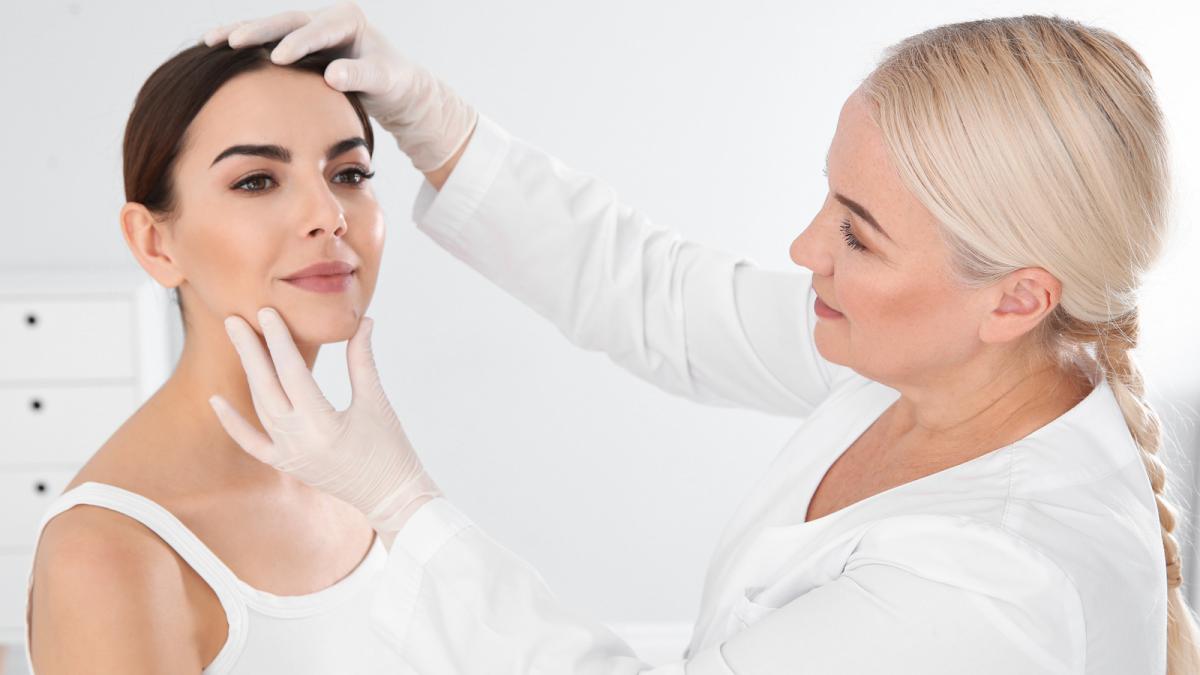
Careful assessment by skilled doctors is essential when addressing neck band visibility. Experienced professionals analyze muscle behavior, skin condition, and facial proportions to determine suitable approaches. Their specialization allows them to tailor techniques aligned with natural anatomy, ensuring subtle and harmonious improvements. Precision and understanding of facial dynamics contribute to enhancing the neck’s appearance while maintaining natural movement.
Expertise and Clinical Precision of Doctors
Doctors with advanced training in facial anatomy bring precision to aesthetic procedures involving the neck. Their ability to identify muscle patterns and adjust approaches ensures outcomes consistent with individual structure. This expertise supports a balanced approach that focuses on refinement rather than alteration, with experience further strengthening their ability to deliver results that integrate with natural features.
FAQ's:
Can a Nefertiti Lift make neck bands less noticeable?
It can help reduce the appearance of neck bands by influencing underlying muscle activity.
Does neck skin condition affect band visibility?
Yes, skin elasticity and thickness play a role in how visible neck bands appear.
Is muscle tension related to neck band formation?
Muscle contractions, especially of the platysma, can make neck bands more pronounced over time.
Can posture influence neck appearance?
Posture affects muscle engagement and may contribute to visibility of neck lines.
Are results dependent on individual anatomy?
Yes, anatomical differences influence how noticeable neck bands are and how they respond.
Conclusion
Improving neck band visibility involves understanding the interaction between muscle activity, skin quality, and individual anatomy. A balanced approach considering these elements can support a smoother neck appearance. With the expertise of trained doctors, targeted techniques can be applied with precision to address concerns while maintaining natural facial expressions. Focusing on harmony between the jawline and neck allows subtle enhancements aligned with individual features.