Can Weight Loss Injections Help With Insulin Resistance?

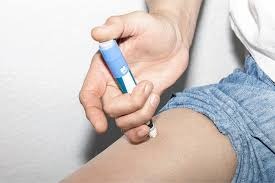
Insulin resistance is a growing health concern linked to obesity, type 2 diabetes, PCOS, and metabolic syndrome. Many people struggle with stubborn weight gain, fatigue, sugar cravings, and difficulty losing weight despite dieting. As medical science advances, injectable weight management treatments are gaining popularity as a supportive solution. Weight loss Injections in Islamabad are increasingly being explored not only for fat reduction but also for improving metabolic health and insulin sensitivity.But can these injections truly help with insulin resistance? Let’s explore everything in this detailed FAQ-style guide.
What Is Insulin Resistance and Why Is It a Problem?
Insulin resistance occurs when the body’s cells stop responding properly to insulin, the hormone responsible for regulating blood sugar levels. When this happens:
The pancreas produces more insulin to compensate.
Blood sugar levels begin to rise.
Fat storage increases, especially around the abdomen.
Energy levels decrease.
Risk of type 2 diabetes increases.
Over time, untreated insulin resistance can lead to:
Type 2 diabetes
Cardiovascular disease
PCOS (Polycystic Ovary Syndrome)
Fatty liver disease
Chronic inflammation
The key to managing insulin resistance lies in improving insulin sensitivity — and that’s where medical weight loss injections may help.
How Do Weight Loss Injections Work for Insulin Resistance?
Most modern weight loss injections (such as GLP-1 receptor agonists or dual incretin-based medications) work by targeting hormones that regulate:
Appetite control
Blood sugar levels
Insulin secretion
Gastric emptying
Here’s how they help:
1. Improve Insulin Sensitivity
They enhance how the body responds to insulin, reducing the need for excessive insulin production.
2. Lower Blood Sugar Levels
By slowing digestion and improving glucose uptake, they help stabilize blood sugar.
3. Reduce Body Fat
Excess fat — especially visceral fat — worsens insulin resistance. Fat reduction improves metabolic function.
4. Decrease Appetite and Cravings
Lower calorie intake supports weight reduction, which directly improves insulin sensitivity.
5. Regulate Hormonal Signals
They mimic natural gut hormones involved in glucose metabolism.
The combined effect leads to improved metabolic health and better insulin control.
Are Weight Loss Injections Effective for People With PCOS?
Yes, they can be particularly beneficial for women with PCOS, a condition strongly linked to insulin resistance.
Many women with PCOS experience:
Weight gain
Difficulty losing weight
Irregular cycles
Increased androgen levels
Since insulin resistance plays a major role in PCOS symptoms, improving insulin sensitivity can:
Promote weight loss
Reduce androgen levels
Improve ovulation
Stabilize menstrual cycles
Medical weight loss injections may support metabolic balance when combined with lifestyle changes.
What Are the Benefits of Weight Loss Injections for Insulin Resistance?
Here’s a quick overview:
Feature
Lifestyle Alone
Weight Loss Injections + Lifestyle
Blood Sugar Control
Moderate improvement
Significant improvement
Insulin Sensitivity
Gradual
Faster and more consistent
Appetite Control
Challenging
Improved naturally
Visceral Fat Reduction
Slow
Accelerated
Risk of Type 2 Diabetes
Reduced over time
Reduced more efficiently
These treatments are not magic solutions, but they enhance results when paired with healthy eating and exercise.
Reviews
Many patients struggling with insulin resistance report positive experiences after starting injectable weight management programs.
"I had insulin resistance and PCOS for years. Diets never worked long-term. After starting injections under medical supervision, my sugar cravings reduced and I finally started losing weight."
"My blood sugar levels stabilized within weeks. I feel more energetic and less bloated."
"It helped break my weight loss plateau and improved my overall metabolic health."
Individual results vary, but medically supervised treatment plans tend to provide structured, measurable improvements.
How Quickly Can Weight Loss Injections Improve Insulin Resistance?
Results depend on:
Baseline weight
Severity of insulin resistance
Diet adherence
Physical activity levels
Dosage and consistency
Typical Timeline:
2–4 weeks: Reduced appetite and better blood sugar stability
4–8 weeks: Noticeable weight loss begins
8–12 weeks: Improved insulin markers and metabolic indicators
Lab tests are often used to monitor:
Fasting insulin levels
HbA1c
Fasting glucose
Lipid profile
Consistency is key for sustainable improvement.
Are Weight Loss Injections Safe for Insulin-Resistant Patients?
When prescribed and monitored by qualified medical professionals, these injections are generally safe.
Common Mild Side Effects:
Nausea
Mild digestive discomfort
Reduced appetite
Temporary fatigue
Important Considerations:
Not suitable during pregnancy
Caution in patients with certain thyroid conditions
Medical screening required before starting
A proper consultation ensures safety and personalized dosing.
Can Weight Loss Injections Prevent Type 2 Diabetes?
While not officially a “cure,” improving insulin resistance significantly reduces the risk of developing type 2 diabetes.
Studies show that:
Weight reduction of 5–10% improves insulin sensitivity.
Visceral fat loss directly lowers diabetes risk.
Better blood sugar control prevents long-term complications.
In high-risk individuals, medically supervised weight management injections can be part of a diabetes prevention strategy.
Do You Still Need Diet and Exercise?
Yes — injections are not substitutes for healthy living.
For best results:
Follow a balanced, low-glycemic diet
Increase protein intake
Limit refined sugars
Exercise at least 3–4 times weekly
Get adequate sleep
Injections work best as support tools, not replacements.
Who Is an Ideal Candidate for Weight Loss Injections?
You may be a good candidate if you:
Have insulin resistance
Have PCOS
Struggle with obesity or overweight
Have prediabetes
Have metabolic syndrome
Experience weight loss resistance
A medical consultation and lab evaluation are necessary before starting treatment.
Conclusion: Can Weight Loss Injections Help With Insulin Resistance?
Yes — when prescribed appropriately, weight loss injections can significantly improve insulin sensitivity by:
Reducing excess body fat
Lowering blood sugar
Improving hormonal balance
Enhancing metabolic efficiency
They are not miracle cures, but when combined with lifestyle changes, they can accelerate progress and reduce long-term health risks.
For individuals struggling with stubborn weight gain and metabolic issues, they may offer a medically supported path toward better health.
Contact Us
If you are struggling with insulin resistance, weight gain, or PCOS and want a medically supervised solution, our experienced team is here to help. We provide personalized treatment plans, comprehensive metabolic assessments, and safe administration of weight management therapies tailored to your needs. Book your consultation today and take the first step toward better metabolic health and long-term weight management .Your journey toward improved insulin sensitivity and a healthier future starts now.
Address : Office Number LG 20 - 21 Interlace Plaza I-8 Markaz Islamabad
Phone : +92 333 5705871
Email : info@glamorousclinic.com.pk
Link : https://www.glamorousclinic.com.pk/