Cerebral Palsy Treatment Ireland: A Comprehensive Guide To Better Mobility And Quality Of Life
Cerebral palsy is a neurological condition that affects movement, posture, coordination, and muscle tone. It can impact individuals from early childhood and continue throughout life. With the right support and rehabilitation, people living with cerebral palsy can improve their independence and overall quality of life. This is where Cerebral Palsy Treatment Ireland plays a vital role by offering structured therapies, specialised care, and long-term rehabilitation support.
Early diagnosis and timely intervention are key factors in managing cerebral palsy effectively. Across Ireland, families are increasingly seeking professional rehabilitation services that focus on improving physical abilities, communication, and functional independence.
Understanding Cerebral Palsy and Its Challenges
Cerebral palsy occurs due to damage to the developing brain, often before or shortly after birth. The condition can vary in severity, with some individuals experiencing mild motor difficulties while others may require significant support in daily activities. Common challenges include muscle stiffness, poor balance, limited coordination, difficulty walking, and delayed motor development.
Because every individual’s experience with cerebral palsy is different, Cerebral Palsy Treatment Ireland focuses on personalised care plans tailored to specific needs. These plans are designed to support physical development, encourage independence, and enhance participation in daily life.
Why Early Intervention Matters
Early intervention is one of the most important aspects of Cerebral Palsy Treatment Ireland. When therapy begins at a young age, children can develop better movement patterns, improve muscle control, and prevent complications such as joint stiffness or poor posture. Early therapy also supports cognitive development, social interaction, and emotional confidence.
Parents and caregivers play a crucial role during this stage. With proper guidance from therapists, families can continue supportive activities at home, reinforcing the benefits of professional treatment.
Key Approaches in Cerebral Palsy Treatment Ireland
A holistic approach is essential for effective management. Cerebral Palsy Treatment Ireland typically includes a combination of therapies that work together to support physical and functional improvement.
Physiotherapy
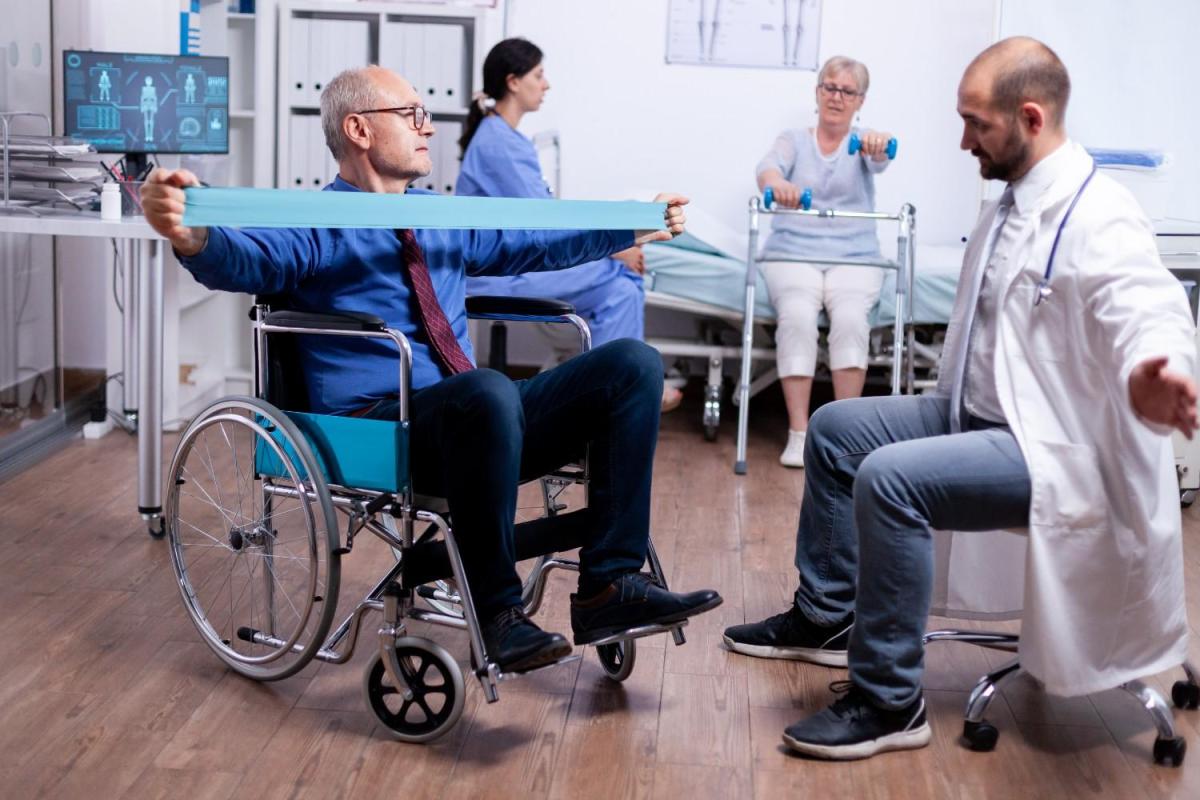
Physiotherapy is central to improving strength, flexibility, balance, and coordination. Therapists use targeted exercises to help individuals develop better control over their movements and improve mobility.
Occupational Therapy
Occupational therapy focuses on helping individuals perform daily activities such as eating, dressing, writing, and personal care. It supports independence and improves quality of life.
Speech and Communication Support
Some individuals with cerebral palsy experience speech and swallowing difficulties. Speech therapy helps improve communication skills and supports safer swallowing techniques.
Postural and Mobility Support
Assistive devices, adaptive equipment, and posture management programs are often included in Cerebral Palsy Treatment Ireland to help individuals move safely and comfortably.
Benefits of a Structured Treatment Program
With consistent therapy and personalised planning, individuals undergoing Cerebral Palsy Treatment Ireland often experience meaningful improvements in daily life. Benefits may include:
-Improved muscle strength and flexibility
-Better balance and coordination
-Enhanced walking ability and mobility
-Increased independence in daily activities
-Greater self-confidence and social participation
-Reduced risk of secondary complications
These outcomes are not only important for physical health but also for emotional well-being and long-term quality of life.
The Importance of Individualised Care
No two individuals with cerebral palsy are the same. That is why personalised planning is at the heart of Cerebral Palsy Treatment Ireland. Therapists assess each person’s abilities, challenges, goals, and lifestyle before designing a treatment plan. This approach ensures that therapy is meaningful, realistic, and aligned with the individual’s needs.
Progress is monitored regularly, and therapy plans are adjusted over time to support continuous development. This flexible and adaptive approach makes long-term rehabilitation more effective.
Supporting Families and Caregivers
Caring for someone with cerebral palsy can be challenging, which is why education and support for families are also essential. Many Cerebral Palsy Treatment Ireland programs include guidance for parents and caregivers, helping them understand the condition and learn practical strategies to support progress at home.
When families are actively involved, therapy outcomes are often stronger and more sustainable.
Conclusion
Living with cerebral palsy presents unique challenges, but with the right support, individuals can achieve greater independence, mobility, and confidence. Cerebral Palsy Treatment Ireland focuses on empowering individuals through personalised therapy, early intervention, and holistic rehabilitation approaches. Consistent care, professional guidance, and family involvement are key to long-term progress and improved quality of life.
For those seeking specialised rehabilitation and compassionate care, Craniaa Neuro Rehab Centre offers dedicated programs designed to support individuals with cerebral palsy through expert therapy, personalised treatment plans, and a patient-centred approach to recovery and development.