Challenges Rural Communities Face When Recovering From Disasters

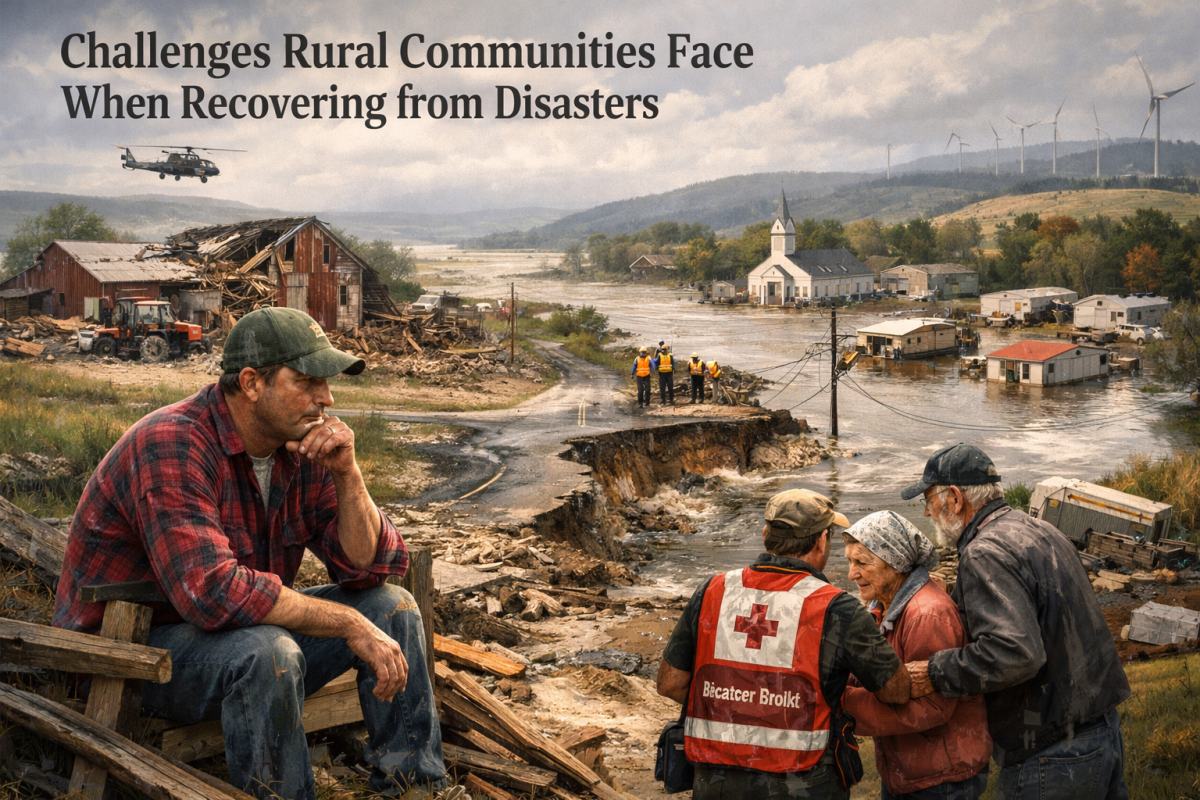
A calm day can change fast when strong forces strike a rural area. A sudden disaster causes fear, loss, and worry, and many people look for help at once. Life in small towns often moves at a gentle pace, so damage from storms, floods, or other harsh events creates deep stress. A strong plan for Disaster Response and Recovery helps these communities, although many barriers still stand in the way.
Rural families often depend on close bonds, shared work, and simple tools, so sudden damage breaks normal life quickly. Roads crack, houses fall, farms weaken, and services stop without warning. Families must stay strong as days grow hard. Recovery becomes a long journey filled with slow steps and tough choices. This article explores the main challenges that rural communities face as they work toward healing and a steady life again.
Limited Access to Health, Supplies, and Support
Small rural areas often stand far from big towns that hold hospitals, supply hubs, and skilled teams. A disaster can break bridges, block roads, and weaken transport paths. Long delays follow these breaks, and many families wait for support that arrives slowly. A small clinic may hold only a few nurses or helpers, so the workload grows too large too fast. Long travel times also weaken quick recovery, and broken roads make travel even harder.
Long roads stretch across wide land, and some homes sit far from any centre. A disaster can cover a path with mud, break a bridge, or damage a road beyond use. Ambulances, supply trucks, and repair helpers struggle to move across damaged land. A slow start in Disaster Response and Recovery creates long waiting hours for many families.
Main access problems in rural disaster recovery:
- Long roads slow medical help and cause long waits during dangerous moments.
- Broken bridges stop supply trucks from reaching families who need tools and food.
- Small staff groups face heavy pressure, and travel for help takes far too long.
More support arrives once roads open again, although early delays create long-lasting stress. Rural communities feel pressure from the start, and steady help becomes hard to find. Stronger planning and better road care can shape a smoother recovery path for these areas.
Shortage of Skilled Workers and Trusted Tools
Repairing damage in a rural place demands strong hands and trained workers. Roofs fall, power lines snap, wells break, and farm buildings crack during strong disasters. Rural communities often hold only a few skilled workers who understand advanced tools. Those workers face huge tasks that grow bigger each day, and outside help needs long travel times to arrive. Equipment also stays limited, and many tools cannot handle the large jobs needed after heavy damage.
Skilled repair work needs sharp knowledge, strong tools, and careful planning. A rural community that holds only a few trained hands cannot repair dozens of broken spots at once. Heavy tools such as cranes, strong lifts, or deep-dig machines often sit far away in large towns. A faraway storage point slows support, so damage stays untouched for long hours. This slower start weakens the full process of Disaster Response and Recovery.
Skill and tool problems after a rural disaster:
- Few trained workers face huge pressure during the early repair steps.
- Small tool sets cannot handle heavy jobs such as large lifts or deep clearing.
- Expert teams from the town arrive late because the long roads slow travel.
These problems increase strain and cause long waits for many families who want safe homes and safe paths again. Skilled hands shape the speed of recovery, and poor access to strong tools weakens early progress. Rural communities benefit from more training and shared tool spaces that offer help during major events.
Communication Problems That Slow Recovery
Good communication supports planning, guidance, and safe movement. Rural areas often depend on weak towers, thin signals, and old lines. A disaster breaks towers, wires, or power paths and leaves many families unsure about danger levels or safe routes. Poor communication also hurts group planning, and leaders struggle to organise supply paths, meeting points, and safe shelters. Confusion grows as hours pass, and early mistakes make recovery harder.
Rural networks often use a few towers to cover large areas. A strong storm can break a tower or damage a line. A broken tower cuts the connection across many villages at once, and leaders cannot share updates or warnings. Weak signals also block calls to support teams. A communication break slows work during Disaster Response and Recovery and creates fear during high-pressure moments.
Main communication problems in rural recovery:
- Weak signals block danger warnings and delay updates about safe transport paths.
- Broken towers stop leaders from sharing plans and guiding support teams.
- Limited backup systems create long hours of silence during early recovery.
Communication failures weaken safety and slow support teams as they try to plan daily movement. A strong communication system helps everyone stay calm, aware, and ready to act. Rural communities benefit from stronger towers, backup radios, and simple message paths.
Emotional Stress That Affects the Whole Community
A disaster breaks calm routines and harms many parts of daily life. Homes lose shape, farms weaken, schools stop lessons, and small shops close suddenly. Many families feel fear, sadness, and shock. Days grow heavy as the community works slowly toward comfort again. Emotional strain becomes a large barrier when daily duties and repair tasks pile up. Mental health support stays limited in many rural areas, and long-distance travel reduces access to steady emotional care.
Rural life often depends on strong bonds and shared trust. A disaster breaks those bonds when meeting places vanish, familiar paths disappear, and daily tasks fall apart. Families feel lost and unsure about the future. A long recovery path requires steady courage, strong support, and calm guidance. Emotional strain affects judgment, planning, and group unity, slowing many stages of recovery.
Emotional challenges during rural disaster recovery:
- Strong shock reduces confidence and makes clear thinking harder during the early days.
- Heavy workloads cause deep tiredness and raise stress levels during long repair tasks.
- Few support centres reduce access to emotional care, leaving many families without guidance.
Emotional stress shapes the full recovery journey and touches every home in a rural community. Strong support systems encourage healing, and early guidance brings hope. Emotional care strengthens focus and helps families face the long rebuilding process.
A Simple Table Showing Main Rural Challenges
Before ending the topic, the table below shows a simple view of the major problems found in rural disaster recovery. This table helps describe the role of each barrier.
| Main Challenge | Core Problem | Result During Recovery |
| Limited access | Far distance blocks support | Slow start to recovery |
| Skill shortage | Few trained workers | Delayed rebuilding |
| Weak signals | Broken towers | Poor coordination |
| Emotional stress | Strong fear | Slow decision-making |
Final Thoughts
Rural communities face large hurdles during disaster recovery. Long travel paths slow help, and small teams handle heavy tasks. Weak signals confuse planning, and emotional strain grows in many homes. Strong guidance supports families during these hard days. Clear plans, trained workers, strong towers, and emotional care all help rural areas stand strong after major disasters. A calm and steady approach to Disaster Response and Recovery supports safer steps, stronger unity, and a smoother return to normal life.
FAQs
What causes slow recovery in rural communities?
Far distances, weak tools, and strong emotional strain all add pressure during early recovery.
How does poor communication affect rural disaster recovery?
Broken towers and weak lines block messages and slow group planning during early recovery steps.
Why do rural regions need more skilled workers for disaster recovery?
Large repair tasks demand strong skills, and small labour groups cannot handle wide damage alone.
How can rural communities improve future recovery?
Training, stronger tools, better towers, and steady emotional support all help rural regions prepare for future disasters.