Chemical Peels In Riyadh And Their Role In Managing Oily Skin

Oily skin is a common concern that affects many people, leading to issues such as acne, enlarged pores, and an unwanted shine. Managing oily skin effectively requires targeted skincare solutions, and one of the most popular treatments gaining traction in Riyadh is chemical peels.chemical peels in Riyadh This deep exfoliating process helps control oil production, unclogs pores, and refines skin texture, making it a go-to option for those struggling with excess oil. Understanding how chemical peels work and their benefits can help you make an informed decision about this treatment.
Chemical peels in Riyadh have become widely sought after due to their effectiveness in controlling oily skin without invasive procedures. These peels use specially formulated acids that remove the outer layer of dead skin cells, encouraging the growth of fresh, healthier skin. By exfoliating dead cells and regulating sebaceous gland activity, chemical peels in Riyadh reduce shine and minimize pore appearance, resulting in clearer and more balanced skin. The controlled chemical exfoliation also prevents clogged pores, which are a primary cause of acne breakouts. This treatment is not only a powerful solution but also offers a non-surgical way to improve the skin’s look and feel.
How Chemical Peels Help Manage Oily Skin
Chemical peels work by breaking down the bonds between dead skin cells, which helps to shed the outer skin layer and reveal new, smoother skin underneath. This process assists in managing oily skin in several ways:
Regulating oil production: By exfoliating the outermost layer, peels can help normalize oil secretion, reducing excessive grease that leads to shine.
Unclogging pores: Chemical peels deeply cleanse the skin, removing debris and preventing pore blockages that cause blackheads and pimples.
Reducing acne and inflammation: Many peels contain ingredients with antibacterial and anti-inflammatory properties helping calm acne-prone skin.
Improving skin texture: With regular treatments, peels smooth rough patches caused by oil buildup and dead skin accumulation.
These factors combined explain why chemical peels are a popular choice for those battling oily skin in Riyadh’s climate.
What to Expect During a Chemical Peel Session
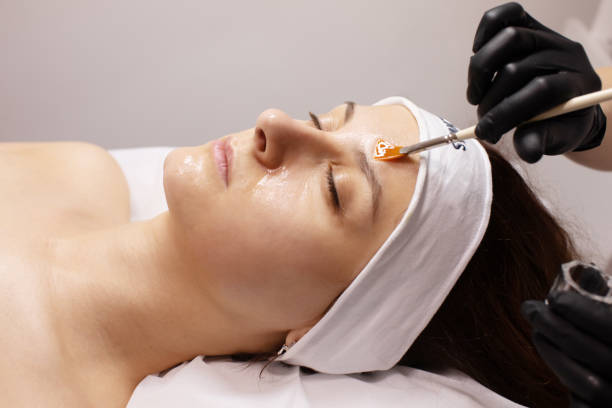
When you book a consultation at a reputable Riyadh clinic like Enfield Royal Riyadh, the process typically starts with a skin assessment. This step ensures the chosen peel suits your skin type and concerns. During the peel, a chemical solution is applied to your face to exfoliate the damaged skin layer. You may feel a warm or tingling sensation as the peel activates.
The session usually lasts between 20 to 30 minutes. Afterward, your skin may appear pink or slightly flushed, but this will subside within a few hours to days depending on peel strength. Most patients experience mild peeling or flaking as new skin replaces the old. Proper aftercare, such as moisturizing and sun protection, is vital for optimal results.
Types of Chemical Peels for Oily Skin
There are various chemical peels available, each suited to different skin concerns and intensities. The commonly used peels for managing oily skin include:
Superficial Peels
These gentle peels use mild acids like alpha hydroxy acids (AHAs) to remove the outermost layer of dead cells. They are ideal for oily skin that is sensitive or mildly problematic.
Medium Peels
Using stronger acids such as glycolic acid or trichloroacetic acid (TCA), medium peels penetrate deeper to treat acne scars, uneven skin tone, and moderate oiliness.
Deep Peels
Deep peels involve potent chemicals like phenol to penetrate the lower skin layers. These are usually reserved for severe cases and require longer recovery.
Comparison Table of Chemical Peels vs. Skin Issues
Skin Issue
Superficial Peel
Medium Peel
Deep Peel
Mild acne and oiliness
Effective exfoliation with minimal downtime
Reduces acne scars and excess oil more deeply
Treats severe skin damage and oil imbalance
Enlarged pores
Tightens slightly
Noticeable reduction
Significant pore shrinking
Hyperpigmentation
Minimal effect
Moderate improvement
Significant fading
Downtime
None to 2 days
About 5-7 days
2-3 weeks
Preparing for Your Chemical Peel
To get the best results from chemical peels in Riyadh, preparation is key. Avoid sun exposure and tanning before your appointment, as this can make your skin more sensitive to the treatment. Stop using exfoliating products or retinoids a few days prior to allow your skin to recover. Discuss any medications or skin conditions with your skincare professional during the consultation at Enfield Royal Riyadh for a safe treatment plan.
Aftercare Tips for Maintaining Results
Post-peel care is essential to protect your skin and extend the benefits of the chemical peel. Use gentle cleansers and apply moisturizing creams to soothe peeling skin. Avoid direct sun exposure and wear broad-spectrum sunscreen daily, as your skin will be more vulnerable. Follow any specific aftercare instructions provided by your clinic, like Enfield Royal Riyadh, to prevent irritation or infection.
Frequently Asked Questions
Are chemical peels suitable for all skin tones?
Yes, chemical peels in Riyadh can be adjusted for various skin tones, but it's important to consult a dermatologist to choose the safest and most effective peel.
How often should I get a chemical peel for oily skin?
Frequency depends on the peel type and skin response, typically ranging from every 3 weeks to every 3 months.
Can chemical peels help with acne caused by oily skin?
Absolutely. Many peels reduce excess oil and exfoliate dead cells, which lowers acne breakouts significantly.
Is there any pain during the chemical peeling process?
Most people experience mild tingling or warmth, but deep peels may require numbing agents due to stronger discomfort.
Can I use makeup after a chemical peel?
It's best to avoid makeup for at least 24-48 hours post-treatment to allow your skin to breathe and heal properly.
For anyone dealing with oily skin and seeking professional advice, booking a consultation at Enfield Royal Riyadh can provide personalized treatment plans using the latest in chemical peel technology. This non-invasive option offers a promising path to clearer, healthier skin without surgery or prolonged downtime.